Yes, people with coeliac disease can eat out. Knowing how to eat gluten free at restaurants comes down to three moments: research the kitchen before you go, communicate clearly at the table, and check the plate before you eat. No tip list makes a kitchen completely safe, but these steps stop most accidental exposure.
This guide is written for households doing this for real, not for people who read about it once. It assumes you may be managing coeliac disease, a wheat allergy, non-coeliac gluten sensitivity, or simply a preference. Those four situations look identical on a menu and require very different amounts of caution, so the plan starts there.
Table of Contents
- What You Need
- Step-by-Step: How to Eat Gluten Free at Restaurants
- How to Research a Restaurant Before You Go
- How to Read a Restaurant Menu for Gluten
- How to Ask the Restaurant About Cross-Contact
- How to Order and Handle Substitutions Safely
- How to Eat Defensively at the Restaurant
- How to Handle a Restaurant That Cannot Guarantee Safety
- Common Mistakes
- Quick Tips for Ordering with Confidence
- Frequently Asked Questions
- Can I eat gluten free at a restaurant if the menu does not list gluten?
- Are restaurant fries safe to eat when I need to avoid gluten?
- How should I explain celiac disease to restaurant staff?
- What gluten-free foods are least likely to be contaminated at restaurants?
- Can I bring my own gluten-free food or condiments to a restaurant?
- What should I do after accidentally eating gluten?
- Conclusion
What You Need
Before the first restaurant visit, get a clear written summary of your restrictions from the clinician or registered dietitian who set them. If your diagnosis is recent, this matters more than any app or restaurant list, because the severity of your reaction is information no menu can supply.
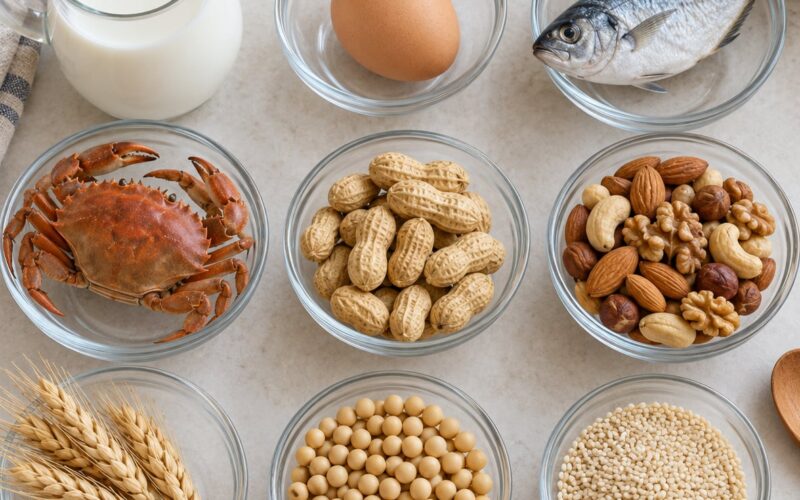
Write down every restriction on one card, not just gluten. Dairy, egg, soy, sesame and tree nut allergies change which kitchens will take you seriously, and a card that says “medical, multiple allergies” gets a different answer from staff than “no gluten please.”
- A current list of your restrictions, written on one line each
- A restaurant check: certification marks on the website, then crowd-sourced reports from people who have eaten there since your last visit
- A dining card or plain note with your restrictions and the words “medical, not a preference”
- A backup meal in your bag or the car, so a kitchen failure is an inconvenience and not an emergency
Keep the backup food realistic and shelf-stable. If you are packing for a long drive, our list of allergen-free snack ideas for road trips covers the options that survive a glovebox.
Step-by-Step: How to Eat Gluten Free at Restaurants
How to Research a Restaurant Before You Go
Start with the type of restaurant, because it predicts the kitchen more reliably than the menu does. A dedicated gluten-free restaurant runs a different operation from a chain that offers a gluten-free burger next to a wheat bun.
On the website, look for an allergen guide, not just a menu. Certification marks tell you something specific but limited. GFCO certification means the packaged product was tested; Gluten Intolerance Group’s Gluten-Free Safe Spots programme means the venue was audited and put on a validated directory; GREAT Kitchens programs verify restaurant training against a standard. None of them guarantee that a specific plate on a specific Tuesday is free of cross-contact, and people who follow these lists still report symptoms.
Then call, if the answer decides whether you go. A two-minute call during a quiet afternoon is a better question than a frantic one at 7pm on a Saturday. Ask whether they cook anything gluten free at all, whether they have a gluten-free menu, and whether they can prepare a dish on a clean surface with clean utensils. If the answer is vague, you have your answer.
Check when people report the experience, not just whether they report it. The same chain can be careful at one location and careless at another, and the difference is often down to the manager rather than the brand.
How to Read a Restaurant Menu for Gluten
Start with the obvious and keep going, because the obvious ones are not the ones that cause problems. Wheat, rye and barley cover bread, pasta, tortillas, breading, gravy made with a roux, and most beer. The less obvious ones are where mistakes happen: soy sauce, malt vinegar, malt extract, semolina, spelt, einkorn, farro, seitan, croutons, salad dressing, marinade, soup base, au jus and seasoned rice.
Your reading habits at home will help here. Our guide to how to read a label for hidden gluten covers the same ingredient list, because a restaurant kitchen is working from the same supply chain as your pantry.
Four phrases cover most of what you see on a menu, and none of them are interchangeable.
- No gluten-containing ingredients. The recipe contains no gluten, with no claim at all about the kitchen, fryer or toaster. Suits a wheat allergy, sensitivity or preference.
- Gluten-friendly. Something can usually be adapted, often in a shared fryer or on a shared grill. Suits sensitivity or preference.
- Gluten-free menu. The restaurant offers items made without gluten ingredients, and may or may not use separate equipment. Ask before assuming.
- Certified or audited venue. Someone verified the products or the staff training, not this individual plate. Suits coeliac disease, with questions still asked.
One warning about labels generally: a dish marked vegetarian, vegan or allergy-friendly is not automatically gluten-free. Many vegetarian dishes are built on couscous, bulgur or a wheat-based roux, and allergy-friendly often means the ingredient list, not the prep line.
How to Ask the Restaurant About Cross-Contact
Say the medical part first. Staff are trained on allergies because allergies frighten them, and celiac disease does not read as urgent unless you say it does.
A script that works: “I have coeliac disease, which is a medical condition, not a preference. Even a small amount of gluten makes me ill. Could you tell me whether you have a gluten-free menu, and whether fried items are cooked in a shared fryer?” Short, calm, and it gives them two specific things to answer.
If the server has never heard of it and offers something to be helpful, here is a second line. Most people searching for this problem describe the same moment, where a server replies with “Did you find anything on the menu that you can eat?” when they have no idea what celiac means. The response that works is patience, not escalation: “No wheat, rye or barley, and nothing cooked in shared oil or on a shared surface. I am fine with naturally gluten-free dishes if you can prepare them on a clean surface.”
Ask the practical questions while you have their attention: Are the fries cooked separately? Is there a dedicated toaster? Is the pasta water in its own pot? Are croutons added to salads? Is the seasoned rice or the au jus made with a wheat roux? Does the kitchen change gloves or use clean utensils?
Being polite and specific gets better results than going straight to a manager. Staff are usually working from a printed allergen sheet they barely understand, and a kind question costs them nothing. Be direct about what you need and generous about the difficulty of the request.
How to Order and Handle Substitutions Safely
Order early or late when you can. A kitchen at 6:15pm is a calmer place to make a special request than a kitchen at 7:15pm with a queue at the pass.
Ask for the dish to be made from scratch where the kitchen can do it, and ask what changes are being made rather than assuming. When a server says they will swap the pasta or the bun, confirm the replacement is the gluten-free version and not a different wheat product, because a substitution made in a hurry is where brands get switched.
Replace risky sides instead of negotiating them. A salad with croutons, a creamy sauce you cannot verify, or a fry cooked in shared oil can usually be traded for something naturally gluten-free, and the trade is faster and calmer than a request for a special preparation.
Decline anything uncertain. “I will pass on the dressing, thank you” is a complete sentence. You do not have to justify a small decline, and you are allowed to send a side back rather than let it sit on your plate as a temptation for the person eating next to you.
How to Eat Defensively at the Restaurant
Check the plate when it arrives, before anyone takes a bite. Look for croutons on a salad, bread under a sandwich, crumbs on a plate that was not there before, or a roll that arrived with the meal because it was on the table beside you.
Remove anything obviously contaminated rather than pushing it to the edge of the plate. Shared condiments and shared utensils are a real risk: the same spoon in a dip, the same tongs on a fries basket and a bread basket, the same oil in the second fryer.
With children, keep their food separate and in front of you, and give them a specific instruction they can repeat back: “eat from your plate only.” Ask for an extra clean plate if one of them is eating from yours, which is more common than parents expect.
At buffets and catered events, skip items sitting beside bread, rice, or a shared ladle. A baked potato with butter and cheese is safer than one loaded from a bin next to croutons, and a plain plate of fruit is safer than either.
Takeout deserves the same suspicion. Ask whether the meal was packed with separate gloves and utensils and whether the container is clean, and check the bag for a breadstick that arrived with the receipt.
How to Handle a Restaurant That Cannot Guarantee Safety
Some answers are not really answers. “We are careful, we do not think so” is one. “Everything on our menu is gluten free” is another. “We can probably do that” without a confirmation is a third. If you cannot get a direct answer, treat the meal as not verified.
Your options, in order of preference: ask to speak with the chef or a manager, thank the staff, choose a naturally gluten-free dish you can watch being prepared, or eat something else and leave a good review afterwards.
Leaving is a legitimate choice, particularly with coeliac disease or a wheat allergy where the exposure is not worth the meal. You are not being difficult. You can also simply take the pressure off by having an appetizer and a dessert, and saving your own backup food for the main.
If you have coeliac disease, a wheat allergy, or symptoms that worry you, your clinician or registered dietitian should set your level of caution. This article is general information, and the acceptable risk is a medical decision, not a food decision.
Common Mistakes
Most restaurant mistakes repeat the same handful of errors. Each one has a small fix.
- Judging safety by appearance. A salad looks innocent and arrives with croutons in it. Fix: ask about ingredients, not presentation.
- Assuming a specialty diet means gluten free. A vegan dish can contain bulgur or a wheat roux. Fix: treat vegan, vegetarian and allergy-friendly as unrelated to gluten unless the menu says otherwise.
- Asking vague questions. “Is this gluten free?” invites a yes. Fix: ask where it is cooked, not whether it is safe.
- Forgetting sauces, marinades and sides. These are where gluten hides in dishes with no obvious grain. Fix: ask about the dressing, the marinade and the seasoned rice separately.
- Overcomplicating the order. Five special requests at once is hard to execute and easy to get wrong. Fix: keep it to the plate and one sauce decision.
- Assuming a menu label covers the kitchen. A gluten-free bun toasted in a shared toaster is not gluten free. Fix: ask about the toaster, the fryer and the prep surface.
- Bringing your own food without checking. Some kitchens do not allow outside food. Fix: call first, and offer to make it at home if they say no.
- Forgetting the bread basket. The most common trace on an otherwise careful meal comes from the table itself. Fix: ask for the bread and chips to be left off, or move the basket out of reach.
Quick Tips for Ordering with Confidence
A few habits cover most of the work.
- Call ahead when the meal matters, and call during quiet hours rather than at peak service.
- Arrive early or late to skip the lunch and dinner rushes.
- Ask to speak with the chef or a manager when the answer from the server is vague, calmly and without blame.
- Carry a dining card with your restrictions and the words “medical, not a preference.”
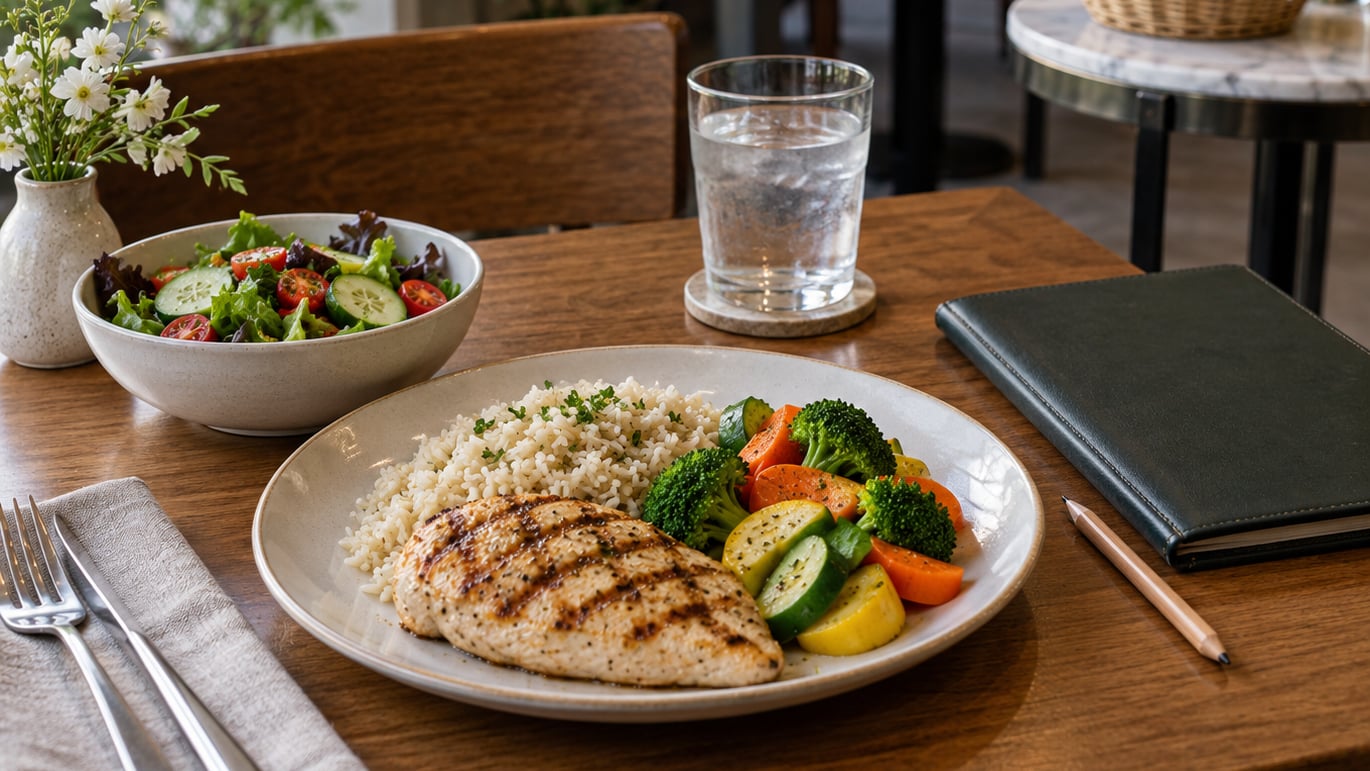
- Order naturally gluten-free foods when you can: plain proteins, rice, potatoes, salads without croutons or dressing, and unseasoned vegetables.
- Keep a snack in your bag or the car so a failed kitchen is an inconvenience rather than a crisis.
- Dine early or late, and choose the same restaurants until you have learned their kitchen.
- Say thank you to the staff who help you. People repeat the kind of experience they have, and a regular who is pleasant gets looked after.
If you are building a kitchen at home that supports this way of eating, our guide to setting up an allergen-free pantry keeps the same rules in one place.
Frequently Asked Questions
Can I eat gluten free at a restaurant if the menu does not list gluten?
A menu that does not list gluten is not a problem in itself; plenty of restaurants cook naturally gluten-free dishes such as grilled meat, rice or plain vegetables without advertising it. The risk is that you have to do the reading, and you still need to ask where the food is cooked. Dishes with sauces, marinades, breading or gravies need ingredient questions even when nothing is labelled. Confirm the fryer, the toaster and the prep surface separately, because a dish with no gluten-containing ingredients can still pick up contact on shared equipment.
Are restaurant fries safe to eat when I need to avoid gluten?
It depends entirely on the fryer. Fries cooked in oil used for breaded chicken carry trace gluten, and a shared basket or shared oil is a common way people get exposed without ever ordering wheat. Ask whether the fries are cooked in a dedicated fryer and whether a separate basket is used. A restaurant that has a gluten-free menu and answers the fryer question directly is a reasonable choice. If they hesitate or say most items are fried together, choose something that is boiled, baked or grilled instead.
How should I explain celiac disease to restaurant staff?
Say it as a medical condition, not a preference, and say that even a small amount causes illness. Then ask two specific questions: whether they have a gluten-free menu, and whether fried items share oil or equipment. A server who does not recognise the word usually responds well to a short script, and a kitchen manager is usually the person who can actually change how something is prepared. If staff go out of their way, thanking them and tipping as usual keeps the relationship in good shape for next time.
What gluten-free foods are least likely to be contaminated at restaurants?
Foods that start out gluten free and are cooked simply are the safest bet. Grilled or roasted meat and fish, plain rice, baked or boiled potatoes, unseasoned vegetables, fruit, and salads ordered without croutons, cheese crumbles or dressing all carry low risk. The cooking method matters as much as the ingredient, so grilled beats breaded and boiled beats fried. Naturally gluten-free is not the same as certified gluten free, so ask about the grill surface, the oil and any sauce that comes with the dish.
Can I bring my own gluten-free food or condiments to a restaurant?
Many kitchens allow it and some do not, so call before you go rather than unpacking a container at the table. Dressing and a dessert are usually accepted more readily than a full meal. If the restaurant says no, offer to eat in the car rather than making it awkward, and ask whether they can make a simple modification instead. Restaurant staff genuinely prefer knowing in advance, because a surprise outside container mid-service is harder for them than a request they can plan for.
What should I do after accidentally eating gluten?
Take it seriously without panic. Note what you ate, when, and how much, and write down any symptoms and how long they last, because a record helps you and your clinician spot patterns such as cross-contact at one particular restaurant. If you have coeliac disease, treat the next few days as strictly gluten free, since re-exposure prolongs recovery. Contact your doctor if symptoms are severe or unusual, if you have a wheat allergy and any sign of a reaction, or if you are not recovering as expected. Your clinician should advise on follow-up testing and any changes to your approach.
Conclusion
Start with three things for your next visit: pick the restaurant by its type and certification marks rather than its menu photos, read the menu for hidden gluten before you leave home, and call the kitchen with two specific questions about the fryer and the prep surface.
Write your short script on a card and keep a backup snack in the car, so the evenings when a kitchen says no are just one less thing to think about. If you have coeliac disease, a wheat allergy, or symptoms that keep returning after eating out, take your notes to your clinician or a registered dietitian before tightening the rules yourself.