To get kids to drink more water, make it easy, make it appealing, and offer it on a schedule that already exists. Keep a filled cup within reach, serve water with meals and after activity, and try a different temperature or a slice of fruit when plain water gets refused. Most children drink enough across a whole week of consistent offers, not in one sitting.
The daily negotiation over water wears parents down faster than almost anything else in the routine. I have heard the same version of it from parents of toddlers who will only drink from one specific cup, from families whose kid drinks juice and nothing else, and from parents of autistic children who avoid anything unfamiliar in a cup.
What helped in most of those conversations was not more pressure. It was removing friction. Thirst is a lagging signal in young children, so waiting for a child to ask is often waiting too late. Offer early, keep it low-key, and let the routine do the work.
Table of Contents
- How to Get Kids to Drink More Water
- What You Need
- Step-by-Step: Build a Water Routine That Works
- Step 1: Offer Water at Predictable Times
- Step 2: Make Water Easy to Recognize and Reach
- Step 3: Improve the Taste and Temperature
- Step 4: Use Small, Reasonable Goals
- Step 5: Adjust for Sensory, Feeding, or Medical Needs
- Step 6: Watch for Signs of Trouble
- Common Mistakes to Avoid
- Forcing, bargaining, or punishing
- Nagging about intake
- Bargaining with large amounts of sweet drink
- Comparing intake with another child or with a chart
- Hiding water inside other foods
- Waiting for thirst to appear
- Frequently Asked Questions
- How do I hydrate a child who won’t drink water?
- How much water should a 2 year old drink in a day?
- What is the 10 gulp rule?
- What are the signs my child is dehydrated?
- What would cause a child to drink a lot of water?
- Is juice or flavored water better than plain water for kids?
- Conclusion
How to Get Kids to Drink More Water
Children drink more water when four things are true at once: the water tastes acceptable, the cup is easy to handle, the water is physically within reach, and an adult offers it without drama. Miss any one of those and volume drops, no matter how motivated the child is.
Needs vary by age, body size, activity level, climate, humidity, diet, and any medical condition. The table below gives the general ranges pediatric guidance uses for planning, not a target to enforce.
| Age | Water a day (from drinks and food) | About this much |
|---|---|---|
| 6 to 12 months | Start offering small sips in a sippy cup with meals | A few ounces across the day |
| 1 to 3 years | About 4 cups | 32 fluid ounces, roughly 950 ml |
| 4 to 8 years | About 5 cups | 40 fluid ounces, roughly 1.2 litres |
| 9 to 13 years | About 7 cups | 56 fluid ounces, roughly 1.65 litres |
| 14 and older | About 7 to 8 cups | 56 to 64 fluid ounces, roughly 1.7 to 1.9 litres |
| Extra for activity or heat | Add more on top of the daily range | See the 10-gulp rule below |
Two details matter more than the numbers. First, most of the fluid a child gets on a typical day comes from food, not the cup, so the cup total alone can look alarming and still be fine. Second, a pediatric clinician may set a different number entirely, especially for a child with kidney, heart, endocrine, or swallowing conditions. Follow that guidance rather than any table.
What You Need
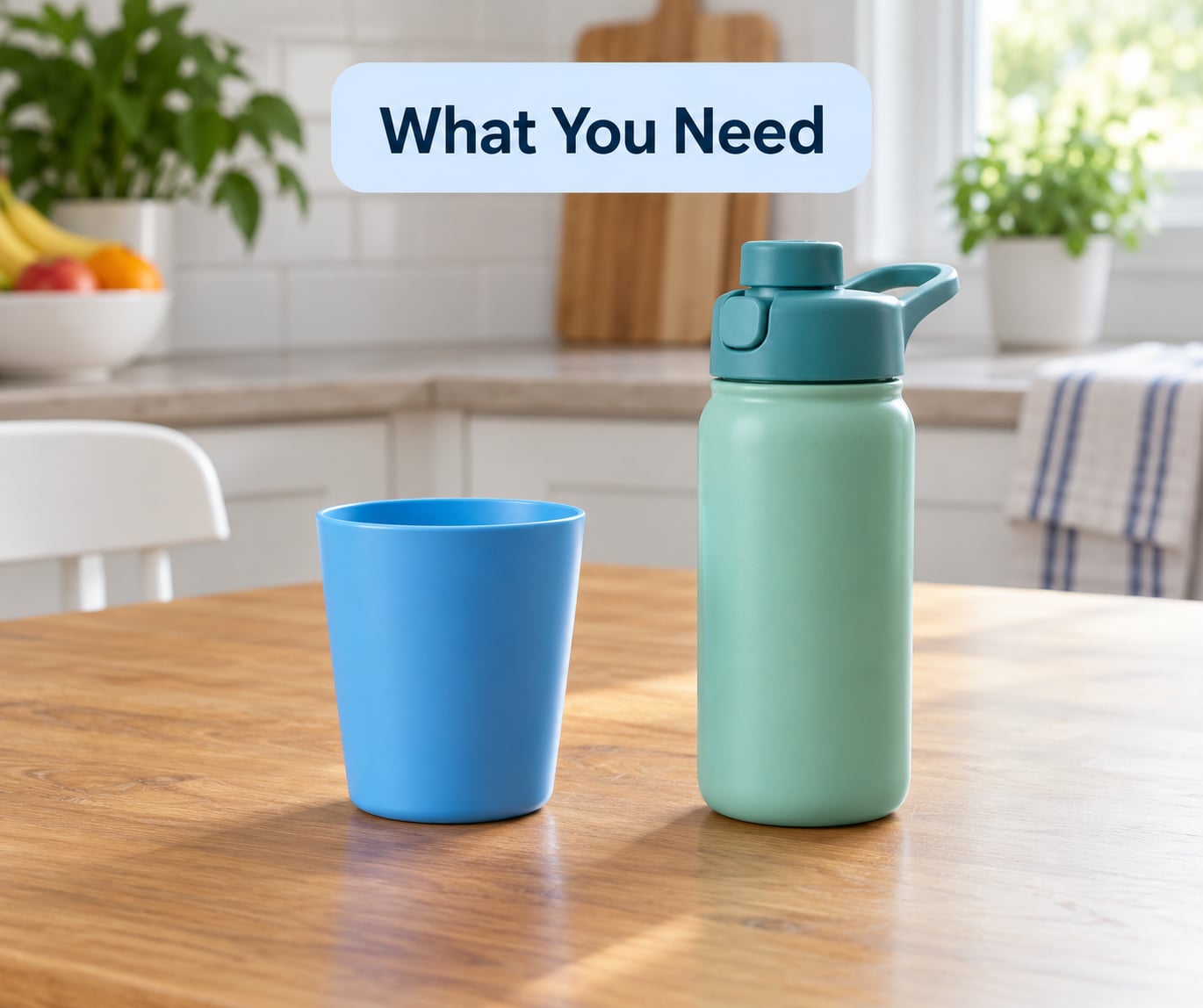
You do not need a gadget. You need a small set of reliable items and one repeatable plan.
- A safe cup or bottle your child can actually use. A wide mouth, a bendy straw, or a lid that small hands can open matters more than the brand. If you are sorting options, how to pick a safer water bottle for kids walks through the material and lid details worth checking.
- A second backup cup. Children lose bottles, crack lids, and spill. A cheap second one prevents a bad morning from becoming a no-water day.
- A visual reminder. A picture schedule, a checklist on the fridge, or a marked line on the cup showing a small target.
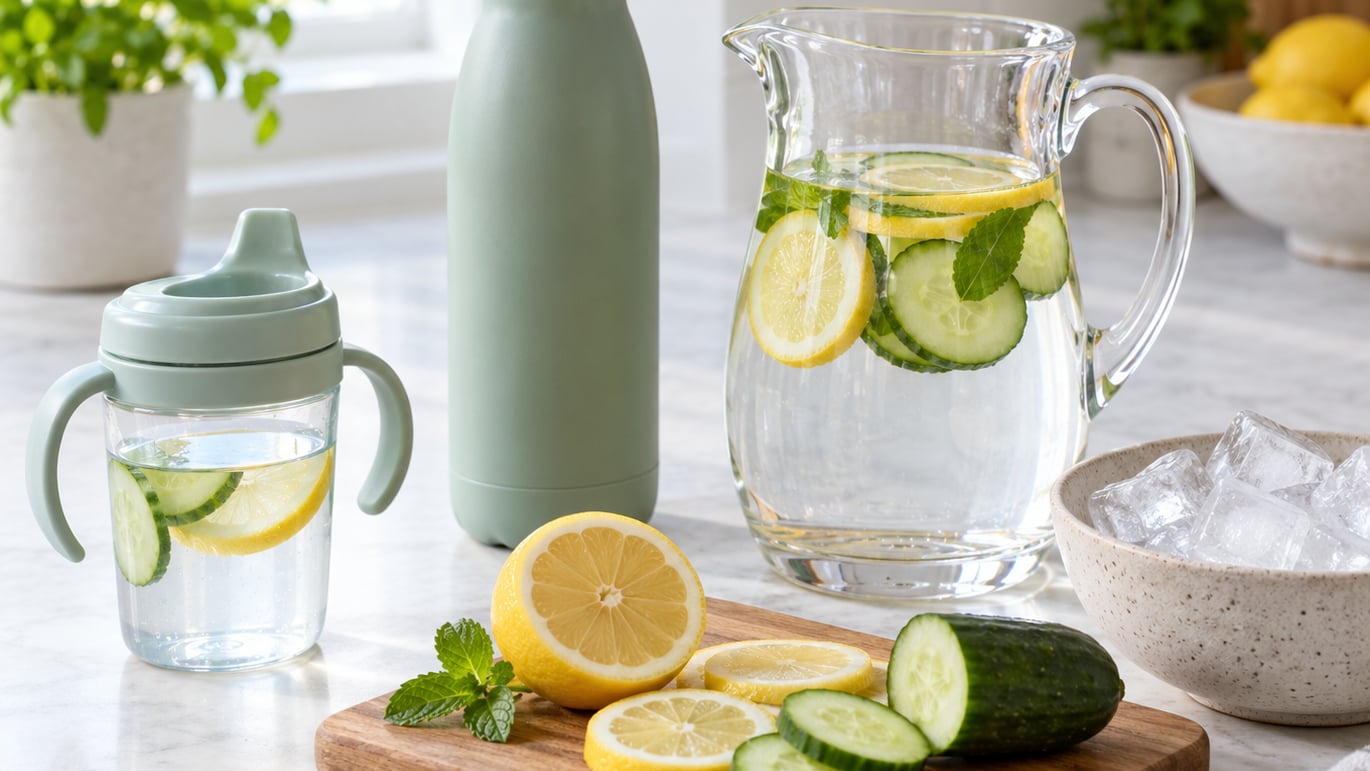
- Flavor options that are not sugar. Fresh fruit, a splash of juice used as a gateway, mint, or cucumber. Skip the concentrated flavor drops if you are avoiding artificial additives.
- A schedule that fits your family. Three or four fixed water breaks a day is more workable than a day of reminders.
- A pitcher or small dispenser on a low shelf. So the child can serve themselves without asking an adult to pour.
Step-by-Step: Build a Water Routine That Works
Step 1: Offer Water at Predictable Times
Tie water to moments that already happen. Offer it when your child wakes up, with each meal, after outdoor play, at the after-school transition, and at bedtime. These anchors remove the need to remember, and your child starts to attach drinking water to a feeling of hunger, tiredness, or relief rather than to nagging.
For sports and long outdoor sessions, the rule most pediatric programs use is the 10-gulp rule: about 12 ounces of water roughly 30 minutes before activity, then about 10 gulps every 20 minutes during it, and continued drinking for about an hour afterward. It is a practical sports timing guideline, not a daily total. A child at a desk does not need it.
What works consistently is the small ask. “Five sips” gets a child started, and the thirst signal often catches up once drinking begins. That single prompt appears again and again in parent groups as the thing that unsticks a stalled drink.
Step 2: Make Water Easy to Recognize and Reach
Children drink what they can see and grab. Keep a filled cup on the table, not in a fridge behind an adult. Put a bottle in the backpack, in the car seat, and on the playroom shelf.
Let your child choose between two safe options, such as the straw cup or the open cup with ice. Choice gives independence without adding a negotiation. Where possible, let them pour from a lightweight pitcher or press the pump on a small dispenser themselves, even if it takes three times longer than doing it for them.
A line drawn on a cup or a sticker on a bottle at a small halfway mark works better than an adult counting. It turns the goal into something visible instead of something monitored.
Step 3: Improve the Taste and Temperature
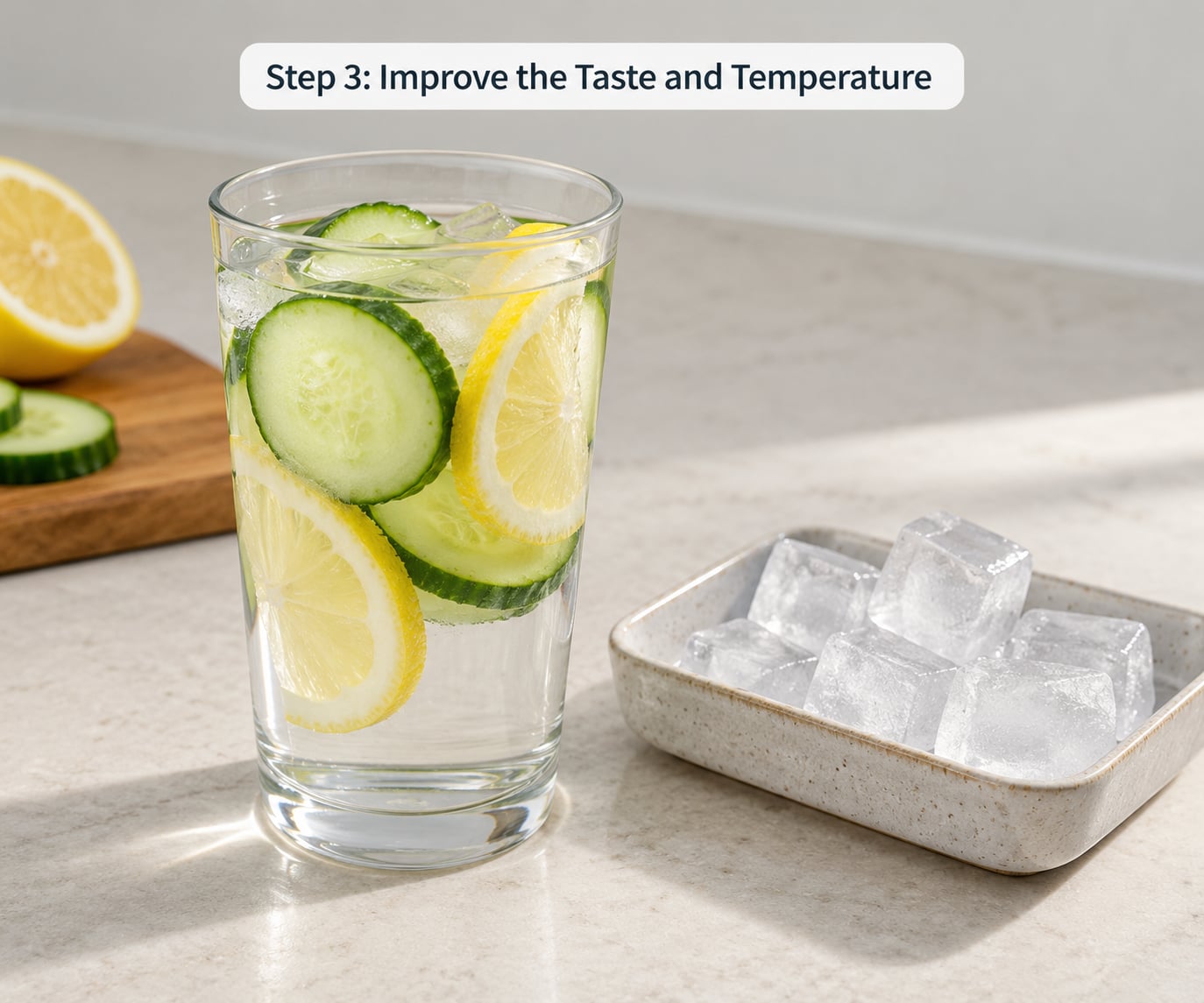
Plain water has no flavor, which is a genuine barrier rather than a character flaw. Test temperatures instead of assuming: many children who refuse room-temperature water will happily drink it ice cold, and some who refuse cold water accept it barely warm. Warm water also works for a child who is unwell.
For taste, add slices of strawberry, orange, cucumber, lemon, or mint and let them sit for a while, then remove the solids. Infused water carries flavor without the sugar load of juice. A child who insists on more sweetness can start with a mix of roughly one part juice to two parts water and shift the ratio over a couple of weeks.
Skip the sugary drinks. If a child trades juice for water, that is progress even if the total fluid intake looks similar, because water adds no sugar and no empty calories. For families avoiding artificial additives, fruit and a splash of real juice usually do more work than flavored drops.
Sparkling water gets a mention because many children find the fizz novel. Plain sparkling water is fine for most, but carbonation can feel uncomfortable for a child with reflux, sensory sensitivity, or a swallowing difficulty, and no-carbonated is the safer default for young toddlers.
Step 4: Use Small, Reasonable Goals
Most parents overestimate what a child can drink in one moment and underestimate the day. A small goal that gets met beats a large goal that fails every afternoon. Try a half cup at lunch, three meals of water on the table, one full bottle at the after-school break, or a finished water break before screen time begins.
Track across the week rather than the hour. A child who drinks well on four days and barely touches water on one day is doing fine. Counting single glasses and finding the number scary is the most common reason parents escalate to forcing.
Keep the tone flat. A cheerful “time for a water break” works better than a question, because a question invites a no.
Step 5: Adjust for Sensory, Feeding, or Medical Needs
Refusal that is tied to sensory input is a different problem from refusal that is about preference, and pressure makes it worse. Common triggers include the temperature of the drink, the texture at the surface, the smell of chlorine, the sound of swallowing, a cup that feels unstable, and the feeling of liquid in the mouth.
For a child with sensory or oral motor differences, slow the process down. Introduce an empty cup first, then the cup with ice, then ice with water. Let the child hold the cup and decide when to pour. If texture and temperature are the issue across foods generally, why food texture matters more than taste for some kids explains how drinking refusals often track with food refusals.
Swallowing concerns, mobility needs, and communication differences each need a different setup: a lighter or handled cup, a straw or flexible spout, or a visual cue the child can follow. A speech-language pathologist is the right person to advise on any of these.
Do not set an individual fluid number for a child with a medical condition. Fluid restrictions exist for kidney, heart, liver, and endocrine reasons, and also appear in some eating-disorder treatment plans. A pediatrician or registered dietitian should set that amount, and water flavoring or infusions should be confirmed as safe for that child too.
Step 6: Watch for Signs of Trouble
Most days, low fluid intake shows up as nothing more than tiredness, a headache, irritability, or poorer concentration. Urine is a useful gauge: pale straw color generally means adequate fluid, while darker yellow that does not lighten across the day suggests a child is behind. Persistent constipation is a common related signal, and how to manage constipation in autistic kids covers the longer-game approach.
Some signs need same-day medical care rather than a routine adjustment: no urine for a long stretch or very dark urine with no other fluid intake, a sunken soft spot in an infant, no tears when crying, a dry mouth with sticky lips, unusual sleepiness or fussiness that is hard to settle, and refusal of fluids with vomiting or diarrhea. During illness with fever, vomiting, or diarrhea, small frequent sips of an oral rehydration solution are usually the right call instead of plain water.
Drinking far more than usual is its own flag. A child who is constantly thirsty, drinking far more fluid than they ever did, or waking repeatedly to drink should be seen by a pediatrician rather than being encouraged to drink more. That pattern can point to diabetes or another medical condition, and it is not something to coach around.
Common Mistakes to Avoid
Most failed attempts to get kids to drink more water are not tactics that failed. They are pressure applied in the wrong direction. These are the ones that come up most, with a fix for each.
Forcing, bargaining, or punishing
Making water a reward, taking it away as a consequence, or bargaining with screen time for every sip teaches that water is a currency. It also tends to backfire, because a child who is forced to drink often drinks less later. The fix is to lower the stakes: offer, notice, adjust.
Nagging about intake
Reminders every fifteen minutes turn into a reminder the child tunes out. The fix is fewer, better-timed prompts attached to routine moments, and a visual schedule the child can check without an adult.
Bargaining with large amounts of sweet drink
Trading juice for a small amount of water keeps the sweet drink in the house and sets a high bar. The fix is a graduated swap: dilute toward water over a couple of weeks, shrink the serving, and keep a full glass of water in view at the same time.
Comparing intake with another child or with a chart
Comparing a child to a sibling, a cousin, or a printed target turns hydration into a competition with a moving finish line. The fix is to track only for a week, only to spot patterns, and then put the chart away.
Hiding water inside other foods
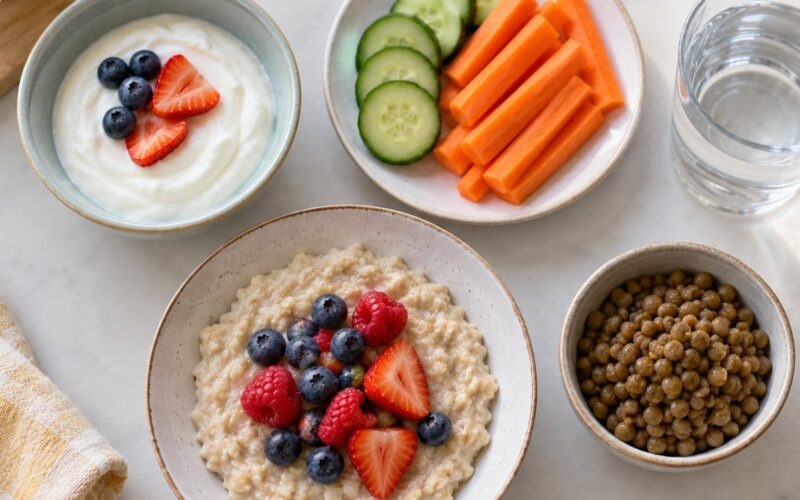
Moist foods such as soups, yogurt, and fruit are genuinely good hydration sources. But disguising drinks so a child cannot tell what they are eating erodes trust and can backfire with picky eaters. Serve the water honestly and let the foods do their part quietly.
Waiting for thirst to appear
Thirst lags behind fluid needs, and a young child may not report it clearly. The fix is a schedule rather than a signal, which is why steps one and two in this guide matter more than any trick.
Frequently Asked Questions
How do I hydrate a child who won’t drink water?
Offer small amounts on a schedule rather than waiting to be asked. Start with five sips at one predictable moment, such as with lunch, and keep a filled cup within reach for the rest of the day. Adjust temperature, cup type, or add fruit if plain water is consistently refused, and count fluid from food as well as drinks. If your child also drinks very little and shows warning signs, call your pediatrician.
How much water should a 2 year old drink in a day?
Around 4 cups a day, which is about 32 fluid ounces or roughly 950 millilitres, counting fluids from food as well as drinks. Most toddlers get a large share of their fluid from food, so the amount in the cup alone can look low. Needs rise with heat, humidity, and activity, and a pediatrician may set a different target for a child with a medical condition or fluid restriction.
What is the 10 gulp rule?
It is a timing guideline for children around sport or long outdoor play: about 12 ounces of water 30 minutes beforehand, then roughly 10 gulps every 20 minutes during activity, and continued drinking for about an hour afterward. It is not a daily total and does not apply to a child who is sedentary. For everyday hydration, scheduled drinks with meals and transitions work better.
What are the signs my child is dehydrated?
Mild dehydration often shows up as tiredness, a headache, irritability, poor concentration, dry lips, and darker yellow urine that does not lighten during the day. Seek prompt medical care for no urine or very dark urine, a sunken soft spot in an infant, no tears when crying, unusual sleepiness, or a refusal of fluids alongside vomiting or diarrhea, since these suggest more than a quiet day.
What would cause a child to drink a lot of water?
A sudden increase in thirst that is out of step with activity or heat deserves a call to your pediatrician, because it can signal diabetes or another medical condition. A child who drinks constantly, drinks noticeably more than they used to, or wakes repeatedly at night for water should be assessed rather than encouraged to drink more. Fever, recent illness, and salty or heavily processed foods can also raise normal fluid needs.
Is juice or flavored water better than plain water for kids?
Water is the better everyday drink because it hydrates with no added sugar or calories. Juice is fine in small amounts but is easy to overconsume, and fruit-infused water or sparkling water is a useful bridge for a child who finds plain water boring. If you are avoiding artificial additives, fruit, mint, or a splash of real juice usually work better than concentrated flavor drops.
Conclusion
Start with one thing this week: choose the single cup or bottle your child is most willing to use, keep it filled and within reach, and set three water breaks at moments that already exist, such as waking up, lunch, and after outdoor play. Notice over a week what actually gets the water drunk, then adjust temperature, flavor, or timing from there.
Knowing how to get kids to drink more water works best as a low-conflict routine rather than a campaign. Let your pediatric clinician set any specific fluid target, especially if your child has a medical condition, a swallowing concern, or a fluid restriction, and treat warning signs as a reason to call rather than a reason to try harder.