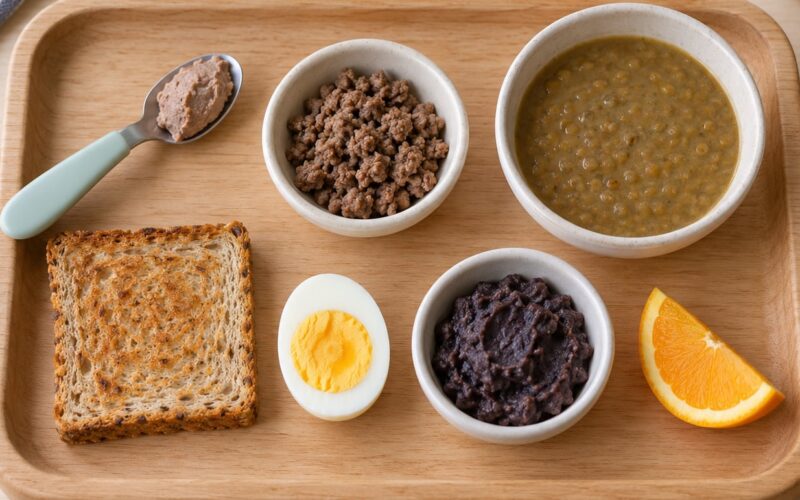

If you want to know how to cut sugar from your kids diet without starting a fight, work in a predictable order: drinks first, then packaged snacks and cereal, then baked goods and condiments, tapering down over roughly 30 days. The American Heart Association recommends that children ages 2 and older stay under 25 grams of added sugar a day, which is about 6 teaspoons, and the American Academy of Pediatrics advises keeping added sugar out entirely before a child turns 2. That is a gradual shift, not a purge.
Added sugar is any sugar added during processing or preparation, including sugar, corn syrup, honey, maple syrup, dextrose, and fruit juice concentrates. The sugar in a whole apple or a glass of plain milk is not the target here, and treating it the same way is one of the fastest ways to make a child feel punished for eating fruit.
Table of Contents
- What You Need
- Step-by-Step
- Step 1: Set a Baseline Before You Cut Anything
- Step 2: Learn to Read Added Sugar on Labels
- Step 3: Replace Sugary Drinks First
- Step 4: Build Balanced Meals Instead of Sugar-Filled Snacks
- Step 5: Offer Fruit and Other Sweet Foods Without Making Them the Only Option
- Step 6: Keep Sweet Treats Intentional and Flexible
- Step 7: Involve the Whole Family and Review the Plan
- Common Mistakes
- Frequently Asked Questions
- How much sugar should a 12 year old have a day?
- Can babies under 2 years old eat sugar?
- How long does it take to wean a child off sugar?
- Is fruit safe if it contains sugar?
- Are artificial sweeteners like stevia and sucralose okay for kids?
- When should I talk to my child’s pediatrician?
- Conclusion
What You Need
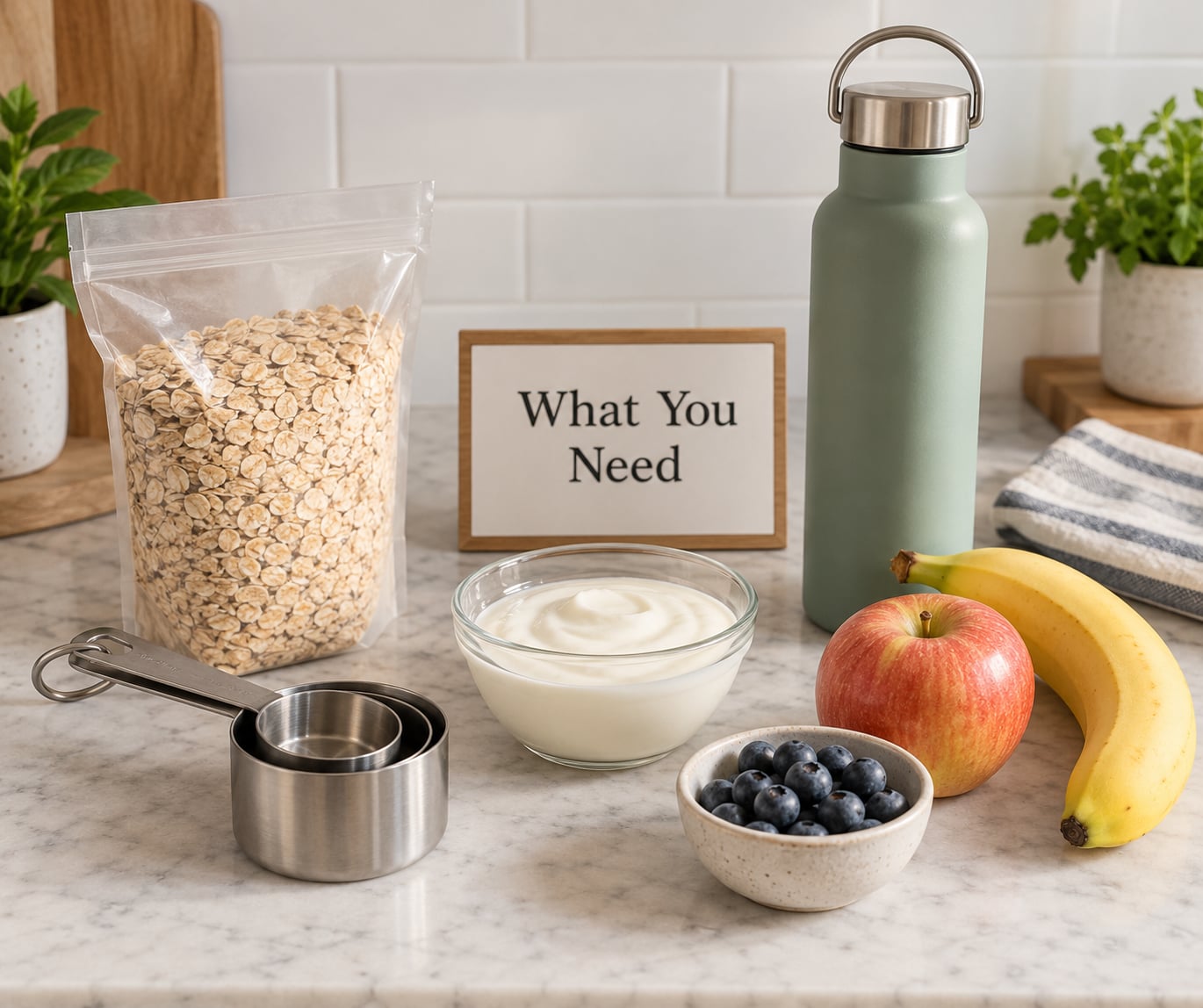
You do not need a special diet book, a bought-in supplement, or a fully converted pantry. You need current food labels, a short household snack list, reliable water and milk options, and a few backup foods for sensory or allergy needs.
Start with the number most parents find surprising. For a child ages 2 and older, added sugar should stay under 25 grams a day. That is 6 teaspoons, and one 12-ounce soda is usually close to 39 grams, which is more than a full day’s allowance in one sitting.
| Age group | Added sugar guidance | Where it usually comes from |
|---|---|---|
| Under 12 months | Avoid added sugar entirely | Sweetened drinks, teething biscuits, flavored purees |
| 12 to 24 months | Avoid added sugar entirely | Juice drinks, sweet yogurt, pouches, crackers for toddlers |
| 2 and older | Under 25 grams, about 6 teaspoons, per day | Sweetened drinks, cereal, flavored yogurt, granola bars, sauces |
The World Health Organization frames it the same way for adults and children alike: keep free sugars under 10 percent of daily calories, and under 5 percent gives additional dental benefit. Nothing on that chart requires you to remove birthday cake. It tells you the ceiling, which is a lot easier to plan against than a ban.
What you do need on hand is boring and specific: a water bottle per child that they chose, plain milk or an unsweetened fortified alternative, whole fruit you have actually cut up before they ask, a protein they like, and two or three shelf-stable backups for the mornings you have nothing left. If your child has a food allergy or a restricted diet, have those backups ready too, because an unplanned snack is where most families fall apart.
Step-by-Step
Seven steps, done in this order over about a month. Skipping to the desserts usually produces a bigger fight and a smaller result.
Step 1: Set a Baseline Before You Cut Anything
For three days, just write down what your kids actually eat and drink. No comments out loud, no “you know that has sugar in it.” Look at the drinks, the packaged snacks, the desserts, and breakfast.
What you are looking for is one high-impact habit, not a list of everything to fix. For most families it is a daily sweetened drink or a juice box. For some it is breakfast cereal. Pick the single habit that appears most often and change only that one for the first two weeks.
How do you know it is working? The signal is a calmer morning routine and fewer mid-afternoon crashes, not a clean plate. Parents on parenting forums describe the same pattern: weekly partial compliance beats a perfect month that collapses in week three.
Step 2: Learn to Read Added Sugar on Labels
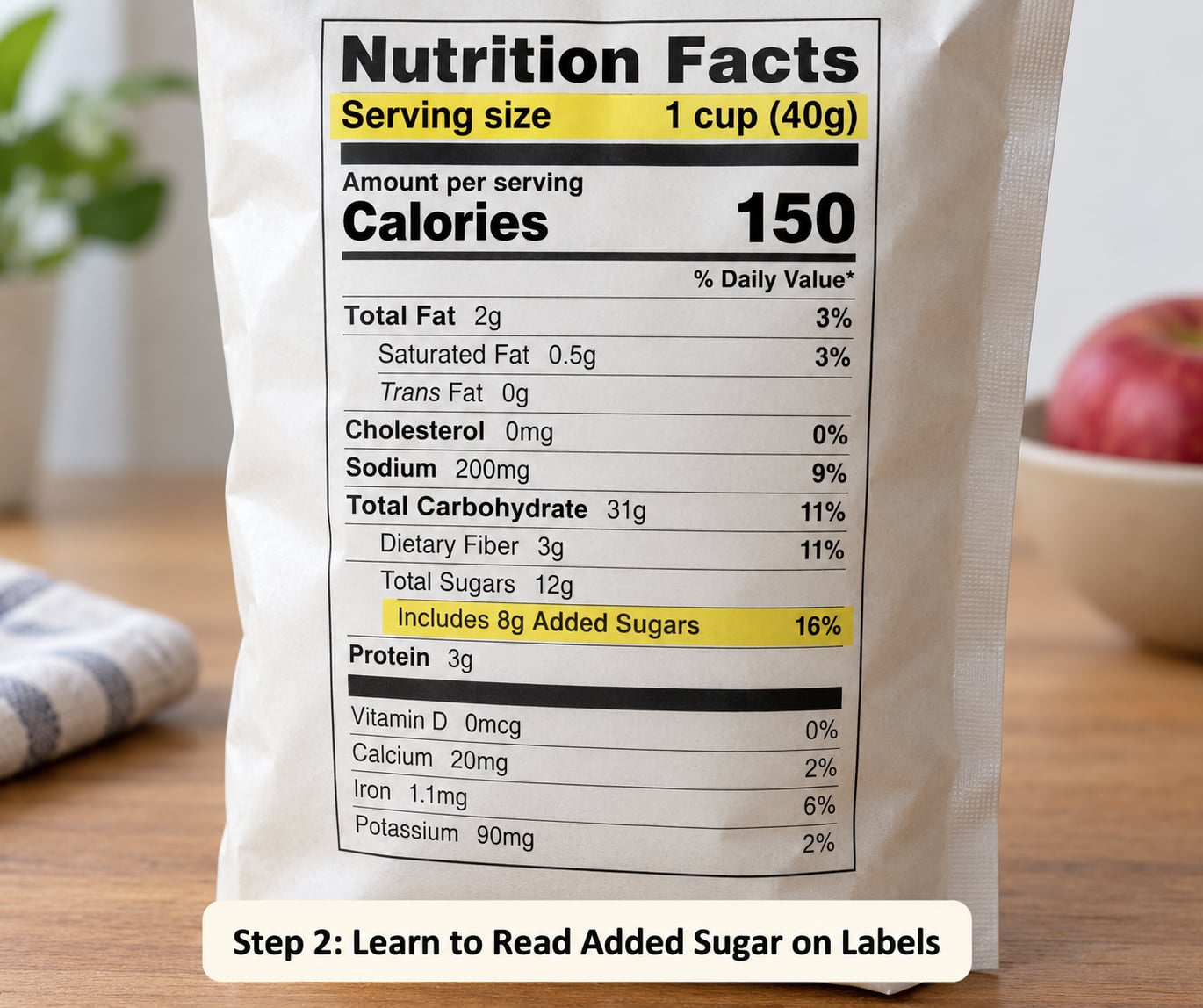
Turn the box around and read three things: the serving size, the added sugars line, and how many servings are in the container. A 30 g serving eaten three times is 90 g, and that multiplication is where most packaged kid foods hide their sugar.
Read the ingredient list too, and look for the aliases. Anything ending in -ose is a sugar, so you will see dextrose, maltose, sucrose, and glucose. Then there are syrups, including high fructose corn syrup, rice syrup, cane syrup, and agave nectar, plus honey, molasses, cane juice, and fruit juice concentrates. Our guide to how to spot added sugar under different names has the full list with the ingredient-order rule of thumb.
One more label trap: “no added sugar” does not mean sugar-free. It can still be sweetened with monk fruit or stevia, and it can still be sweet enough that your child asks for it daily. Treat those as a swap, not a solution.
Step 3: Replace Sugary Drinks First
This is the step parents consistently rate as the biggest single win, and the math explains why. Sugary drinks deliver sugar with no fiber, no protein, and no chewing, so a child can swallow a full day’s allowance in one bottle without noticing. Soda, sweetened tea, juice drinks, juice boxes, sports drinks, energy drinks, and flavored milk all qualify.
Use a step-down plan rather than a hard stop. For a child used to full-strength juice, dilute it half with water for a week, then a third juice to two thirds water the next week, then all water. Do the same with soda by adding a splash more sparkling water each time. Cold water with a slice of cucumber, a lemon wedge, or crushed berries is often enough for a child who still wants something sweet-looking.
Keep milk plain and water boring and available. Those two defaults do more work than any rule you can enforce at the dinner table.
For juice specifically, the AAP advises no juice at all in the first year, and about 4 ounces a day maximum from age 1 to 3. Whole fruit is the better route at any age because the fiber slows the sugar down.
Step 4: Build Balanced Meals Instead of Sugar-Filled Snacks
A snack that is pure carbohydrate is what produces the crash, the crankiness, and the request for something sweet twenty minutes later. Build snacks the way you build meals: a protein, a fiber-rich carbohydrate, some produce, and a fat that helps the whole thing land.
Real examples that travel well: cheese cubes with apple slices and a few almonds; hummus with carrot sticks and crackers; a boiled egg with a handful of grapes; plain yogurt with berries stirred in at the table; avocado on wholegrain toast cut into small squares. Each one has protein, fat, or fiber, which is what slows the sugar that is naturally present.
If your child eats a restricted diet, the same template holds. On a gluten-free, casein-free diet you are not stuck with fruit snacks and rice cakes, you swap the carbohydrate source and keep the protein and fat. If you are just starting that, our guide to starting a gluten-free, casein-free diet for kids covers the structure.
For sensory-sensitive children, texture often matters more than taste, and that is where a lot of unnecessary sugar sneaks in. When the crunchier or wetter version of a food gets refused, the easier substitute is often sweet. Offering two or three acceptable textures of the same food, with the same nutrition profile, fixes more problems than removing treats. Our piece on why food texture matters more than taste for some kids goes deeper on that.
Step 5: Offer Fruit and Other Sweet Foods Without Making Them the Only Option
Whole fruit is not the problem. The sugar in a whole apple, banana, or pear comes packaged with fiber, water, and vitamins, and it does not behave like sugar poured into a drink. The concern with fruit is really about juice, dried fruit in large handfuls, and fruit used as the only thing offered all day.
Keep offering it, and keep portions sensible: a whole piece of fruit as a snack, a few berries with yogurt, half a banana with peanut butter. For dried fruit, a small measured amount is fine and it counts toward the day’s total, because the sugar density is high and it is easy to keep eating.
New foods often need many quiet exposures before they are accepted, so keep fruit visible and unpressured. Offering it without commentary, many times, works better than requesting a bite. Most of the time that is where a parent trying to learn how to cut sugar from your kids diet sees the biggest relief, because fruit stops being the thing being taken away.
Step 6: Keep Sweet Treats Intentional and Flexible
Banishing sweets tends to fail, because children still encounter them at school, sports, and parties. Instead, make them intentional: planned, portioned, and tied to an occasion rather than available on demand.
Some things that help. Serve dessert with a meal rather than as a standing snack, which slows the eating and takes it off the negotiation table. Freeze leftovers or smaller portions rather than throwing them away, since most battles are won by not keeping the full box in the cupboard. Choose the lower-sugar version of cereal, yogurt, granola, and sauce without announcing it as a rule.
Home-made is not automatically better. A cookie made from scratch with maple syrup is still a cookie. It just has fewer ingredients and a portion you control, and for allergy-driven households that control is the whole point.
For parties and holidays, decide in advance what your role is. Stay for the cake and do not run the room, or bring a treat to share and let them have two. Parents report that an occasional outing works better than a standing refusal.
Step 7: Involve the Whole Family and Review the Plan
Children copy the adults at the table, so the changes have to be household-wide. Switch your own coffee order, your own soda, your own cereal. That last part is the one parents say they did not expect, and it is also the one that makes a plan stick past week three.
Tell the school and any childcare provider what you are doing. Pack no sweet drinks, put fruit in the lunch bag routinely, and ask what the treat policy is at celebrations so you are not surprised.
Then check in every two weeks with three questions: are the calm periods getting longer, is anything being refused that used to be accepted, and has the family lost any sleep or joy? If the answer is yes to all three, you have gone too far, and the fix is usually to add back one scheduled treat rather than to push harder.
Talk to your child’s pediatrician or a registered dietitian before going further if your child has a growth concern, diabetes, an eating disorder history, severe constipation, dental problems, or significant food allergies. Pediatricians can also help with a child who is under 2, where the guidance is stricter.
Common Mistakes
Cutting everything in week one. A sudden drop produces cravings, crankiness, and a fix-it relationship with sugar that can last months. Pick one habit, change it for two weeks, then add the next.
Replacing sugar with low-calorie sweeteners and calling it done. Sucralose, aspartame, and saccharin are approved within set limits, and stevia and monk fruit are fine for many children, but a sweetened product still trains the same preference for sweet. Use them as a bridge on a product you already buy, not as a standing beverage.
Banning all sweet foods. It fails for the obvious reason and it also puts your child at odds with every other kid at the party. Scheduled and portioned beats forbidden.
Relying on the front of the package. Words like healthy, natural, and made with real fruit describe the marketing, not the added sugar line. Turn the box over and read the number every time.
Making your child the one who decides. Asking a seven-year-old to choose between cake and cookies is asking them to manage an adult problem. Offer two acceptable options and let them pick between those, which is a decision they can actually make.
Treating the whole family as if it were a diet. No sugar talk at the table, no comments on anyone else’s food, and no using food as a reward or a punishment. This is the fastest way to make eating a power struggle.
Frequently Asked Questions
How much sugar should a 12 year old have a day?
For children ages 2 and older, the American Heart Association recommends staying under 25 grams of added sugar a day, which is about 6 teaspoons. A 12 year old needs no extra allowance simply because they are older or more active. Include sugar that arrives in sauces, cereal, flavored yogurt, and drinks, not just obvious sweets. Reading the label on each item is the only reliable way to add it up.
Can babies under 2 years old eat sugar?
Added sugar is not recommended for children under 2. The American Academy of Pediatrics advises avoiding it in that window because babies fill up on low-calorie foods that contain it. Avoid juice in the first year entirely, and keep juice to about 4 ounces a day from age 1 to 3. Whole fruit, milk, and plain yogurt are better options for this age.
How long does it take to wean a child off sugar?
Most families see steady change over three to four weeks, and a full month of consistent effort usually gets you to a place that holds. Cutting drinks first often produces visible change in the first week because they carry the most sugar. Abrupt removal makes cravings worse rather than shorter, so taper and expect some disruption around week two. If there is no improvement after a month, go back to the baseline step and change one thing only.
Is fruit safe if it contains sugar?
Yes. The sugar in a whole apple, banana, berry, or pear comes with fiber, water, and vitamins, and it does not cause the blood sugar spike that a sweetened drink does. The concern is juice, large portions of dried fruit, or offering fruit as the only thing a child eats all day. Offer whole fruit as a normal snack alongside protein and fat, and skip the juice.
Are artificial sweeteners like stevia and sucralose okay for kids?
Approved non-nutritive sweeteners, including sucralose, aspartame, saccharin, stevia, and monk fruit, are considered safe within the amounts normally consumed, according to the FDA. They do not add sugar or calories, but a very sweet product can keep a preference for sweet tastes alive, so use them as a stepping stone instead of a daily drink. Sugar alcohols such as xylitol in large amounts can cause stomach upset, and they are a choking risk for young children.
When should I talk to my child’s pediatrician?
Book an appointment if your child has diabetes, a growth concern, a history of an eating disorder, frequent cavities, severe constipation, or significant food allergies. It also makes sense to ask before restricting anything for a child under 2, or if the change is interfering with sleep, growth, or eating enough overall. A registered dietitian can build a realistic plan for allergies, sensory needs, or a very selective eater.
Conclusion
The seven steps are one method, not seven separate jobs: notice the baseline, read the label, cut drinks, build real snacks, keep fruit ordinary, make treats scheduled instead of banned, and get everyone in the household on board. Do the first three this week and the rest will follow.
If you do only one thing today, turn the boxes around and read the added sugars line. Then pick one drink your child has every day and swap it, and put one balanced snack on the counter before anyone asks. That is how to cut sugar from your kids diet without starting a fight you will lose by Thursday.