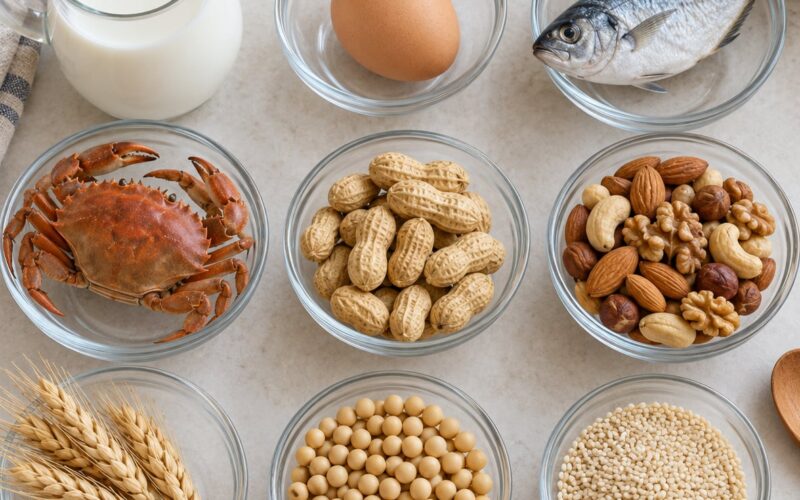
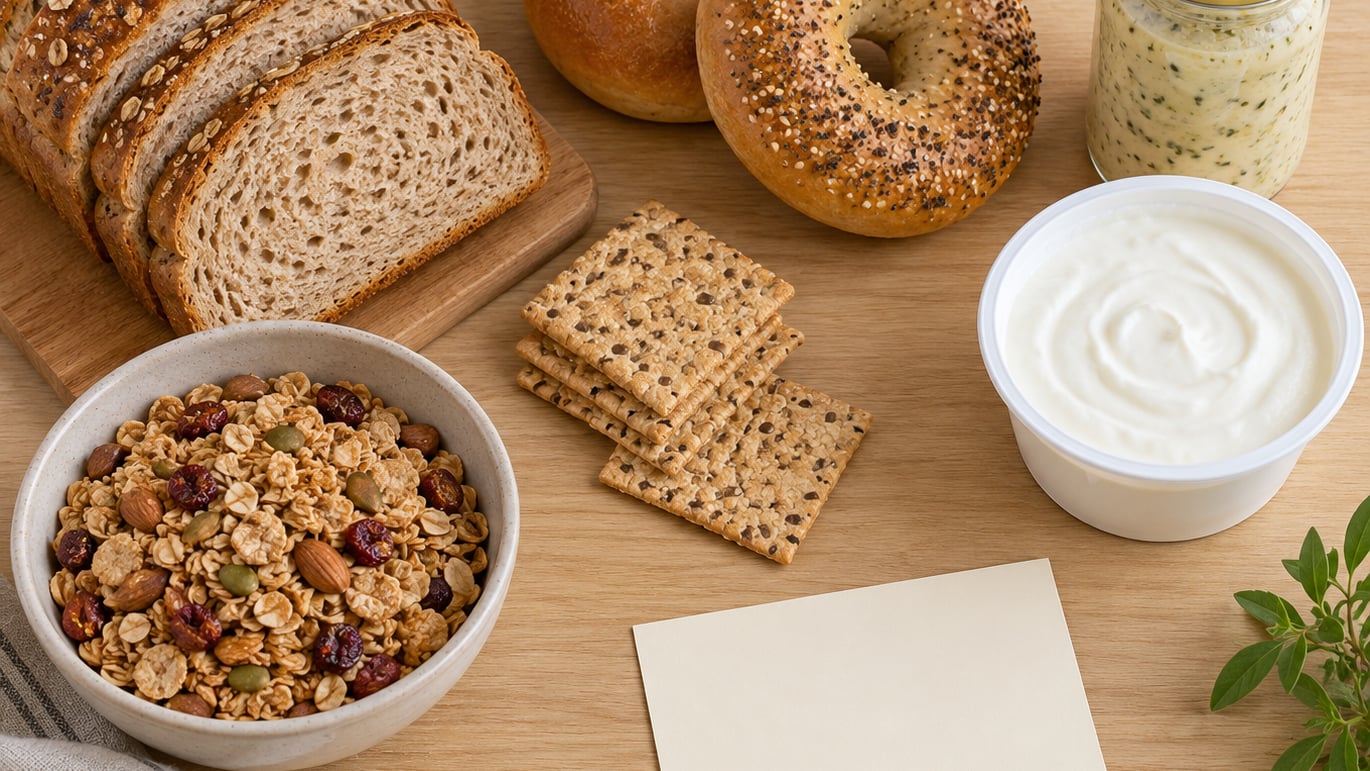
If you are scanning a label for milk, you are not just looking for the word milk. Dairy hides in plain language under names like casein, whey, lactose, milk solids, ghee, curds, and Recaldent, and it shows up in foods that never advertise themselves as dairy at all. Bread, crackers, hot dogs, canned tuna, dressings, cereal, and even some jelly carry milk derivatives. This guide covers twelve everyday categories of foods that contain hidden dairy, the label words to watch for in each, and how to check an ingredient list in about thirty seconds. If you are managing a cow’s milk allergy rather than a preference, talk to your child’s allergist or doctor before making changes on your own.
Table of Contents
- Foods That Contain Hidden Dairy at a Glance
- 1. Bread and Other Baked Goods
- 2. Processed Cheeses and Cheese-Flavored Snacks
- 3. Cereal, Granola, and Breakfast Bars
- 4. Creamy Sauces, Soups, and Dips
- 5. Baked Potatoes, Stuffings, and Casseroles
- 6. Cakes, Cookies, and Frostings
- 7. Pancakes, Waffles, and Breakfast Pastries
- 8. Salad Dressings and Creamy Condiments
- 9. Infant Formula and Toddler Foods
- 10. Protein Powders, Meal Replacements, and Smoothie Mixes
- 11. Seasonings, Dips, and Flavor Powders
- 12. Frozen and Ready-to-Eat Meals
- How to Check for Hidden Dairy on an Ingredient Label
- Learn the dairy ingredient names
- Know the ingredients that look like dairy but are not
- Read the allergen statement and the weight order
- Check cross-contact and shared equipment
- Frequently Asked Questions
- What are hidden dairy ingredients?
- Do cookies have dairy?
- Do wraps have dairy?
- What foods should I avoid with a cow’s milk allergy?
- Does vegan cheese contain casein?
- How is a milk allergy diagnosed?
- Conclusion
Foods That Contain Hidden Dairy at a Glance
Nothing in this table means every product in that row contains dairy. Brands change formulas constantly, so treat it as a starting point for what to read, not a verdict on a specific package.
| Food category | Dairy ingredient often used | Why it is added | Where to verify |
|---|---|---|---|
| Bread, rolls, bagels | Milk, whey, milk solids, butter | Moisture retention, browning, softer crumb | Ingredient list |
| Crackers and chips | Whey, lactose, cheese powder | Flavor and a crisp-salty finish | Allergen statement |
| Processed cheese slices | Casein, milk fat, whey | Meltability and stretch | Ingredient list |
| Cereal and granola | Whey, milk powder, casein | Binding clusters, sweetness, coating | Ingredient list |
| Cakes, cookies, frosting | Butter, milk, cream cheese, condensed milk | Tenderness, structure, flavor | Ingredient list |
| Sauces, soups, dips | Milk, cream, butter, cheese, sour cream | Body and creaminess | Allergen statement |
| Instant potatoes, stuffing | Butter, milk powder, cheese | Smooth texture, flavor | Ingredient list |
| Salad dressings | Milk, buttermilk, casein | Emulsion stability | Ingredient list |
| Hot dogs and luncheon meat | Casein, sodium caseinate, whey | Binder and texture | Ingredient list |
| Canned tuna | Casein, hydrolyzed protein | Binder and moisture retention | Allergen statement |
| Protein powders and mixes | Whey protein, casein, milk solids | Protein content and texture | Supplement panel |
| Frozen meals and pizza | Cheese, sauce, dough, cream | Flavor, sauce base, browning | Ingredient list |
1. Bread and Other Baked Goods
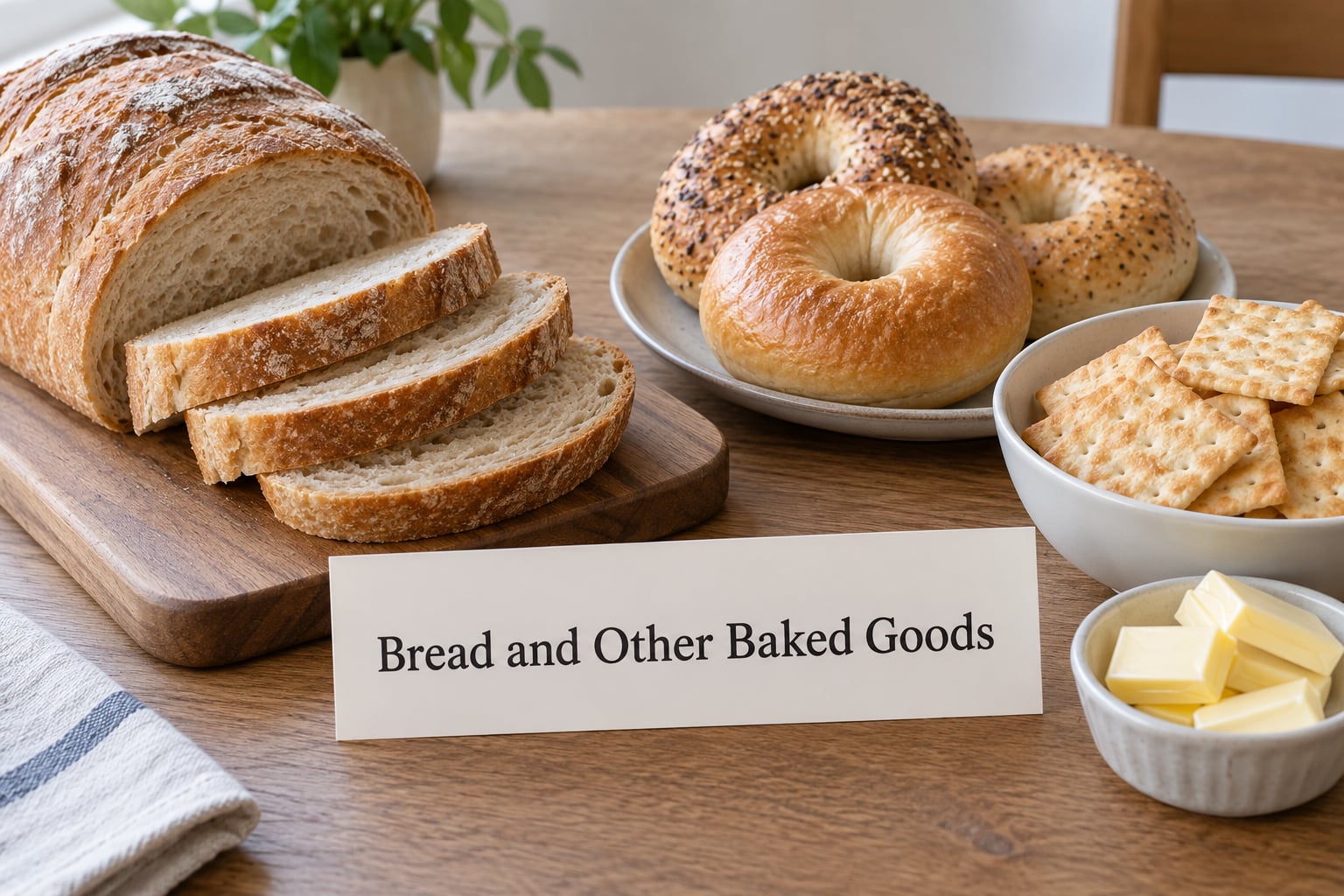
Bread is the category people are most surprised by, and the surprise is understandable. A plain loaf is not a dairy product, yet milk, whey, or milk solids show up in a large share of commercial loaves. The reasons are practical: milk solids hold moisture so the loaf stays soft, and sugar plus milk proteins help the crust brown evenly.
Rolls, bagels, English muffins, and dinner rolls follow the same pattern. Even a sesame or herb roll can carry whey. The same applies to English muffin halves sold for sandwiches, which is worth checking if you buy them split and filled.
Crackers sit in the same family. Cheese crackers obviously contain dairy, but plain salted crackers can list whey or lactose for flavor and snap. That is one reason a cracker someone eats every week can become a problem. If you like to compare label-reading approaches across allergens, our guide to reading a label for hidden gluten uses the same method with different ingredient names.
Label terms to look for: milk, milk solids, dry milk powder, whey, whey protein, butter, butterfat, cheese, cultured whey, and condensed milk.
2. Processed Cheeses and Cheese-Flavored Snacks
Processed cheese slices and shreds are made with milk protein that behaves differently from natural cheese. Sodium caseinate and calcium caseinate are added because they melt evenly, slice cleanly, and stretch without breaking. If you see caseinate anywhere near the cheese word, that is milk protein.
Snack crackers and combos that carry a cheese dust often list whey, cheese powder, or milk solids rather than a block of cheese. Some cheddar-flavored snacks also use lactose as a carrier for the flavoring, which is easy to miss because the word milk never appears.
One term worth knowing: anhydrous milkfat, sometimes labeled AMF. It is added to some processed cheeses to boost dairy flavor and melt. Vegetarians sometimes assume AMF means the product is plant-based, so check the label for a milk source.
3. Cereal, Granola, and Breakfast Bars
Breakfast food is quietly one of the highest-risk aisles. Many cereals list whey as a protein source, and granola clusters use milk powder or casein to hold the oats together. Casein is a good binder, which is why it shows up in bars that need to stay intact.
Breakfast bars and snack bars can also contain milk protein concentrate, milk protein isolate, or hydrolyzed milk protein. Granola marketed as vegan is not automatically dairy free either, so the ingredient list still governs.
Watch for: whey, whey protein concentrate, casein, milk powder, milk protein isolate, dry milk, and butter. Muesli is often a cleaner option than granola, though blends vary.
4. Creamy Sauces, Soups, and Dips
Creamy sauces rarely need to advertise dairy. Alfredo, béchamel, cheese sauce, and many Alfredo-style pasta sauces get their texture from cream, milk, or both, and the flavor is expected to taste dairy-forward even though the jar front says nothing.
Soups carry it too. Cream of mushroom, potato, tomato bisque, and chowder bases all use milk or cream, and packaged soup cups list dairy in the allergen statement more often than most people expect. Broth is usually cleaner, but bouillon and flavored bases sometimes include dairy solids or butter for depth.
Salad dressing gets lumped in here because it behaves the same way. Thousand Island, ranch, blue cheese, and many creamy dressings use milk, buttermilk, or casein to hold the emulsion together. Dips like onion dip, spinach dip, and many jarred queso dips follow the same pattern.
5. Baked Potatoes, Stuffings, and Casseroles
Instant mashed potatoes are one of the classic surprises. The flakes carry milk powder or dried skim milk, and the box directions usually call for butter and milk anyway. Even dehydrated potato products made for camping can include dried milk, so read the pouch.
Stuffing mixes contain butter or chicken fat with milk in some varieties, and prepared side dishes such as scalloped potatoes, au gratin mixes, and macaroni and cheese rely entirely on milk, butter, and cheese. Casseroles built from canned cream soup use milk inside the soup itself.
Fresh mashed potatoes made at home with butter and milk are an easy swap point. Our list of dairy free substitutes for milk in baking covers the swaps that work best for both potatoes and baked goods.
6. Cakes, Cookies, and Frostings
Cookies are the question parents ask most, so let us be direct. Most cookies do contain dairy. Butter is standard in shortbread, sandwich cookies, and anything described as chewy, and many recipes include milk or condensed milk.
Frosting is its own category. Buttercream is built on butter or shortening plus powdered sugar, and cream cheese frosting is obvious. Commercial frostings sometimes use milk powder or a milk-derived emulsifier instead of butter, which is why the list matters more than the frosting flavor.
Cake mixes are no different. Nearly every boxed cake and cookie mix includes some form of dairy unless it is specifically labeled dairy free, and mixes have gotten better at clearly declaring milk and wheat together.
Dark chocolate deserves its own mention. Dark chocolate with milk fat added is not dairy free even though it is dark, so check for milk or milk fat in the ingredient list rather than judging by the cocoa percentage.
7. Pancakes, Waffles, and Breakfast Pastries
Restaurant-style pancakes and waffles are almost always made with buttermilk or milk in the batter, and the mix you pour water into may already contain dried milk. Packaged frozen waffles sometimes list milk and sometimes do not, so the package decides.
Breakfast pastries, danishes, and bear claws use butter or cream in the dough and often a milk-based custard filling. Croissants from the bakery case can contain butter even when they look plain, which matters for anyone avoiding dairy rather than lactose.
Hand-check bakery items and breakfast bars if you buy them often. Products baked in-store carry fewer printed ingredients, so you have to ask or avoid.
8. Salad Dressings and Creamy Condiments
Creamy dressings are the most common hidden dairy in a kitchen. Ranch, blue cheese, Caesar with dairy, Italian with buttermilk, and Thousand Island all rely on milk, cream, or buttermilk. Caseinate shows up in dressings designed to stay stable rather than separate.
Mayonnaise-style spreads vary. Some use egg yolk and oil with no dairy, others use milk solids or casein for body. Because the word mayonnaise can cover both, read the list instead of trusting the name on the lid.
Other creamy condiments worth checking: dip mixes, salad dressing packets at fast-food restaurants, liquid cheese dips, and some barbecue sauces that use dairy for tang.
9. Infant Formula and Toddler Foods
Cow’s milk formula is the one category where dairy is the point, not a surprise. Every standard infant formula is made with milk or whey protein, and plant-based formulas are made from soy or another protein source. Read the protein source line rather than the front-of-pack claim.
Toddler foods can hide dairy in surprising places. Pudding cups, yogurt melts, and macaroni and cheese pouches contain milk, as do many fruit puree pouches that use milk powder to smooth the texture. Some oatmeal cereal pouches use milk or whey.
This category deserves care rather than quick label reading. If your child has a suspected cow’s milk allergy or you are removing dairy for another health reason, ask your child’s pediatrician or a registered dietitian before changing what they eat. Do not trial-eliminate on your own, because reactions can be serious and some children need an allergist-supervised plan.
10. Protein Powders, Meal Replacements, and Smoothie Mixes
Whey protein concentrate and isolate are milk-derived and among the most common allergen sources in the supplement world. Casein, milk protein isolate, and skim milk powder appear in meal replacement powders, and creamer blends use caseinates for a creamy texture in a dry mix.
Smoothie and beverage mixes carry a subtler version of the same problem. Flavored coffee drinks, hot chocolate mixes, protein shakes, and sports drinks can include whey, milk solids, or casein. Non-dairy creamer is not automatically dairy free, since some varieties contain caseinate even though they are marketed as non-dairy.
Check the Supplement Facts panel and the allergen statement together. If a product shares equipment with milk protein, that language appears on the label too.
11. Seasonings, Dips, and Flavor Powders
Seasoning blends are the quietest hiding place of all. Ramen-style noodle soups, instant soup bases, flavored rice packets, and seasoning sachets use milk solids, cheese powder, or butter flavoring to round out savory flavor. Instant noodle soup is worth checking twice, because broth and the noodle block can differ.
Cheese powder and buttery flavorings are made from dairy-derived ingredients in most commercial applications, including some snack seasoning dusts. Packet dips such as onion dip and spinach-artichoke dip almost always carry milk solids or sour cream powder.
Natural flavor and artificial butter flavor need their own note. In the United States, milk is a major food allergen, so if a natural flavor is milk-derived, it has to be declared either in the ingredient list or in the Contains statement. If you do not see any milk declaration and no dairy term in the list, the flavoring is not a milk source on that label. Artificial butter flavor can also be made without dairy, so treat the label, not the word butter, as the answer.
12. Frozen and Ready-to-Eat Meals
Frozen pizza combines three dairy sources in one: cheese, sauce, and dough. Even a plain cheese pizza has all three, and a cheese-free crust is a separate product for a reason.
Frozen burritos, sandwiches, and prepared meals use cheese, cream, or cream sauce as binders and flavor carriers. Frozen french fries and roasted vegetables can carry milk or whey in the batter. Ready-to-eat deli salads and pasta salads use cheese, milk-based dressings, or butter in the dressing.
Deli meat is a related category. Hot dogs, sausage, bologna, ham, and lunch meat often list casein or sodium caseinate as a binder, which keeps texture even after cooking. If the label lists cheese or a Contains statement for milk, the binder is dairy regardless of how mild the meat tastes.
How to Check for Hidden Dairy on an Ingredient Label
Learn the dairy ingredient names
Most people search for the word milk and stop there. Dairy uses a much longer vocabulary, and these are the terms to memorize:
- Milk, milk solids, dry milk powder, milk protein, milk protein isolate
- Casein, caseinates (sodium, calcium, potassium, ammonium), rennet casein
- Casein hydrolysate, hydrolyzed casein, hydrolyzed milk protein
- Whey, whey protein, whey protein concentrate, whey protein isolate, whey protein hydrolysate
- Lactose, lactalbumin, lactoglobulin, lactoferrin, lactulose
- Butter, butterfat, anhydrous milkfat, ghee, clarified butter
- Cheese, cheese powder, cheese cultures, curds, paneer
- Condensed milk, evaporated milk, cream, buttermilk, sour cream, custard
- Recaldent, casein phosphopeptide, Simplesse, nisin, tagatose, lactic acid starter culture
Milk, whey, and casein cover most of what you will encounter. The rest are rarer but worth knowing, particularly in supplements, gum, and sports products. Chewing gum and some hard candies can also carry dairy-derived ingredients such as casein or Recaldent for texture or a longer flavor release.
Know the ingredients that look like dairy but are not
This is where a lot of families cut out food unnecessarily. Some ingredient names contain the words calcium, lactate, or lactic, and they are not milk at all:
- Calcium lactate
- Calcium stearoyl lactylate and sodium stearoyl lactylate
- Lactic acid
- Sodium lactate
- Cocoa butter
- Oleoresin
- Cream of tartar
None of these come from milk, so they are generally fine for someone with a cow’s milk allergy. If a label has one of them and no other dairy term, you have not found dairy. If you want a second method for decoding unfamiliar ingredients, our guide to identifying hidden egg ingredients on any label works the same way for a different allergen.
Read the allergen statement and the weight order
Under United States law, the Food Allergen Labeling and Consumer Protection Act requires milk to be declared in plain language in the ingredient list or in a Contains statement. So a compliant label will tell you, either as Contains: Milk or inside the ingredient list. This is also why you may see plant-based products with milk-derived casein or whey: these are dairy proteins, so the law requires them to be declared as milk.
Ingredients are listed by weight, descending. Milk listed last is a trace amount, which still matters for an allergic person even though it may matter less to someone avoiding dairy by preference. Dose matters for how likely a reaction is, but any amount is relevant for a true allergy.
Check cross-contact and shared equipment
Ingredients are not the only exposure. Deli slicers used for both ham and cheese, shared fryers, bakery equipment that also handles butter, and restaurant steaks brushed with butter before serving are all ways dairy enters without appearing on any list you can read. When eating out, say the allergy plainly, ask about butter basting and shared equipment, and check with the staff rather than assuming.
Kosher markings can help narrow things down. A D next to a product or ingredient means dairy or dairy-derived. Pareve means milk free under kosher rules, which is useful for finding candidates. Pareve is not an allergen guarantee, though, because trace contact can still occur in production. It is a screening tool, not a clearance.
One practical habit: when a brand’s website list and the package in your hand disagree, trust the package. The label on the item is the item you are about to eat, and formulations change between print runs.
Frequently Asked Questions
What are hidden dairy ingredients?
Hidden dairy ingredients are milk and milk-derived terms that do not use the word milk, such as casein, sodium caseinate, whey, whey protein, lactose, milk solids, dry milk powder, butter, ghee, curds, and Recaldent. They appear in foods like bread, crackers, cereal, dressings, hot dogs, and canned tuna. Manufacturers add them for texture, binding, moisture retention, or cost. In the United States, milk must still be declared in plain language on the label, either in the ingredient list or a Contains statement.
Do cookies have dairy?
Most cookies do. Butter is standard in shortbread, sandwich cookies, cheesecake cookies, and anything described as chewy or soft, and many recipes add milk, condensed milk, or cream. Frostings on top of cookies add another layer, since buttercream and cream cheese frosting both start with dairy. Some commercial cookies list whey or milk solids instead of butter, so read the ingredient list rather than guessing from the flavor.
Do wraps have dairy?
It depends on the brand and the style. Tortilla wraps and flatbreads are usually made with flour and a fat, but some brands add milk solids, whey, or butter for softness and browning. Wraps sold as lunch-friendly or extra soft are more likely to include them. Bread-style wraps and pita pockets often contain milk or whey as well. Check the ingredient list every time, since brands change formulas without changing the front of the package.
What foods should I avoid with a cow’s milk allergy?
Avoid anything listing milk, whey, casein, butter, cheese, cream, or their derivatives. Common sources include bread and crackers, processed cheese, cereal and granola, creamy sauces and soups, instant potatoes and stuffing, cakes and frostings, pancakes and waffles, creamy dressings, hot dogs and lunch meats, canned tuna, protein powders, seasoning blends, and frozen meals with cheese or cream. Cross-contact also matters, including deli slicers, shared fryers, and restaurant butter basting. Work with an allergist on your own list.
Does vegan cheese contain casein?
Some plant-based and vegan cheeses are made with casein or whey protein because those proteins give the slice melt and stretch. If a product contains them, United States law requires milk to be declared, often as Contains: Milk, even if the front label says dairy free or vegan. Not every vegan cheese does this, so read the ingredient list. If you are avoiding dairy by preference this may not matter, but for a milk allergy it is decisive.
How is a milk allergy diagnosed?
A milk allergy is diagnosed by a clinician, usually a pediatrician or allergist, using the history, a physical exam, and testing such as a skin prick test or a specific IgE blood test. Diagnosis is not something to do from an ingredient list at home. If you suspect a milk allergy in yourself or your child, book an appointment rather than cutting out dairy and watching symptoms, because many children outgrow it and the plan should be guided by a professional.
Conclusion
Start with the ingredient list and the allergen statement on the actual package in front of you, every time, because formulas change and brand websites do not always update at the same speed. Learn the short vocabulary of casein, whey, milk solids, and butter, and remember that calcium lactate, lactic acid, and cocoa butter are not dairy at all. If a cow’s milk allergy is the reason you are reading labels, talk to an allergist before you start cutting things out, and ask for a written plan you can hand to schools, relatives, and restaurants.