To help a shy child build confidence, you offer small choices, follow their pace, and notice the effort they make instead of pushing them into rooms, conversations and activities before they are ready. Confidence is not a trait you hand over in a speech. It is built from repeated, manageable experiences where a child tries something slightly hard, survives it, and slowly trusts their own ability to handle the next one.
This guide works for a quiet three-year-old who hides behind you at the playground and for a thirteen-year-old who will not answer a question in class. Most of it also fits children with autism, sensory sensitivities or communication differences, where the goal is steady support rather than constant social performance.
You can do this without special training, and each step takes minutes, not hours. Start at the bottom of the page and work up as your child is ready.
Table of Contents
- What You Need
- Step-by-Step: How to Help a Shy Child Build Confidence
- Start With One Safe, Predictable Activity
- Offer Two Manageable Choices
- Build Familiar Routines and Small Brave Moments
- Use Supportive Language and Praise Specific Efforts
- Practice at Home Before New Social Situations
- Let Your Child Set the Pace
- Celebrate Quiet Wins and Review Progress
- Common Mistakes
- Frequently Asked Questions
- Is shyness in children just a phase?
- How do I know if my child has social anxiety rather than shyness?
- What activities help shy kids build confidence?
- Should I force my shy child to join activities?
- Why is my child shy at school but completely outgoing at home?
- Start With One Small, Successful Choice
What You Need
Nothing special. No equipment, no curriculum, no app. What helps is a predictable setting and a very small number of familiar options.
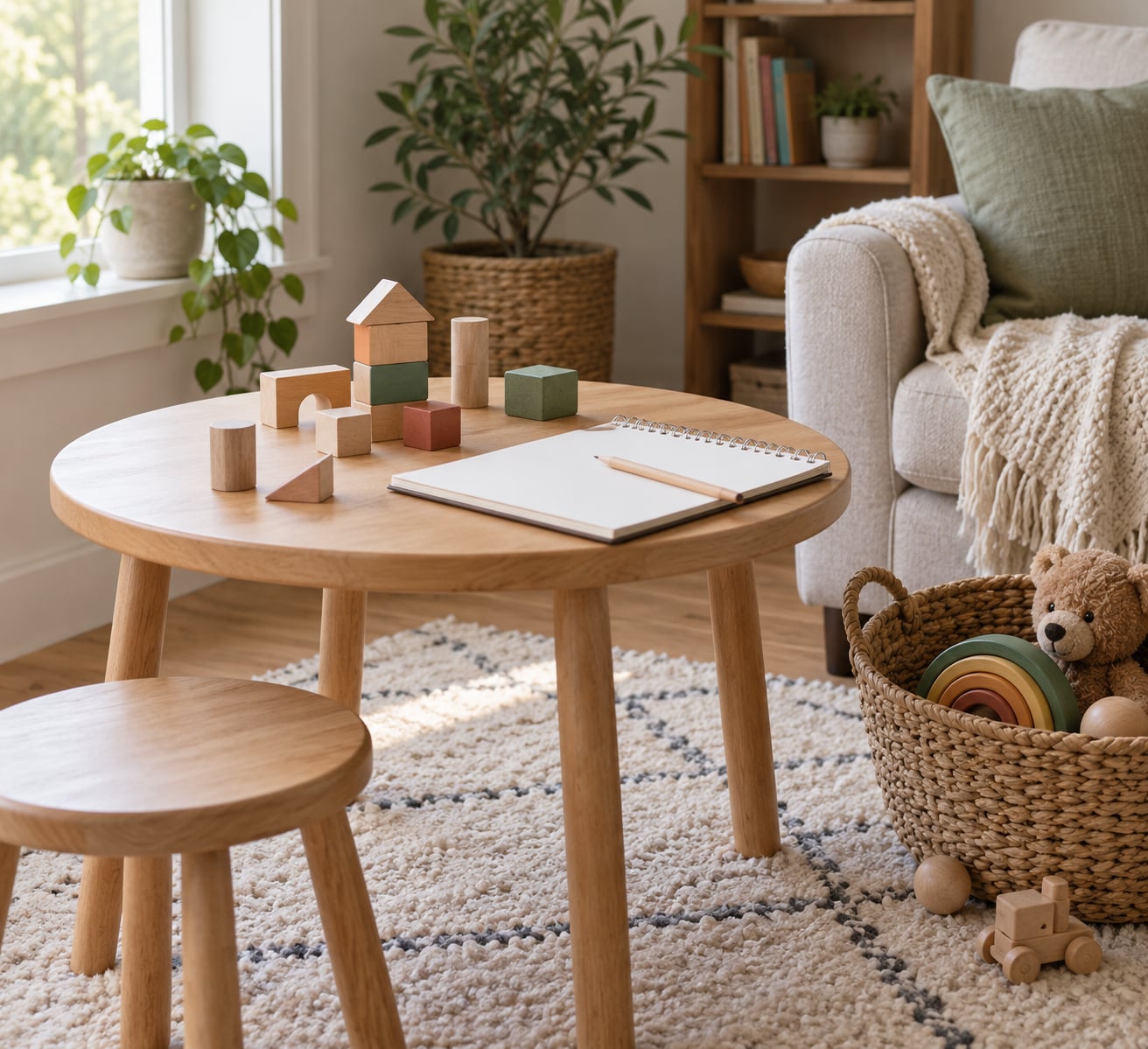
A calm place to begin matters more than you would think. A bedroom corner, a quiet table after snack, or the first ten minutes in a room before anyone else arrives all work. Familiar choices matter too: two or three things your child already enjoys, so a decision never becomes a test.
One simple activity is enough to start. Drawing, blocks, reading, cooking a familiar recipe, sorting laundry, feeding a pet, or putting together a puzzle you have already solved together all work. Pick something with a visible beginning and end.
Something to track helps too, and it does not have to be fancy. A notebook where you jot down what your child said, chose, or was willing to try takes thirty seconds a day. Revisiting those notes later is often the only way a parent sees progress that has been happening quietly all along.
If your child has sensory, communication, mobility or anxiety needs, plan for those first. Reduce noise, keep an exit route visible, allow a communication method that is not speech (signs, pictures, a device, a communication book), and leave enough transition time that moving rooms is not a surprise. If sensory input is a regular part of your child’s day, our guide to building a sensory diet for your child is worth reading alongside this one.
Talk to your child’s pediatrician, licensed therapist or school team when anxiety is intense enough to interfere with sleep, eating, school attendance or everyday routines, when distress is intense and constant, or when you have developmental concerns. They can help you work out whether what you are seeing is temperament or something that needs more support.
Step-by-Step: How to Help a Shy Child Build Confidence
Confidence grows the same way any skill grows: through safe, repeated practice. A child who tries a small thing, manages it, and finds that the world did not end, learns something they cannot be talked into believing.
That is the whole philosophy. Adults offer manageable choices, respect the child’s boundaries, and celebrate effort and self-advocacy rather than demanding visibility or perfect performance. For a quiet child with social anxiety, sensory overload or a hard week, that boundary is the whole practice.
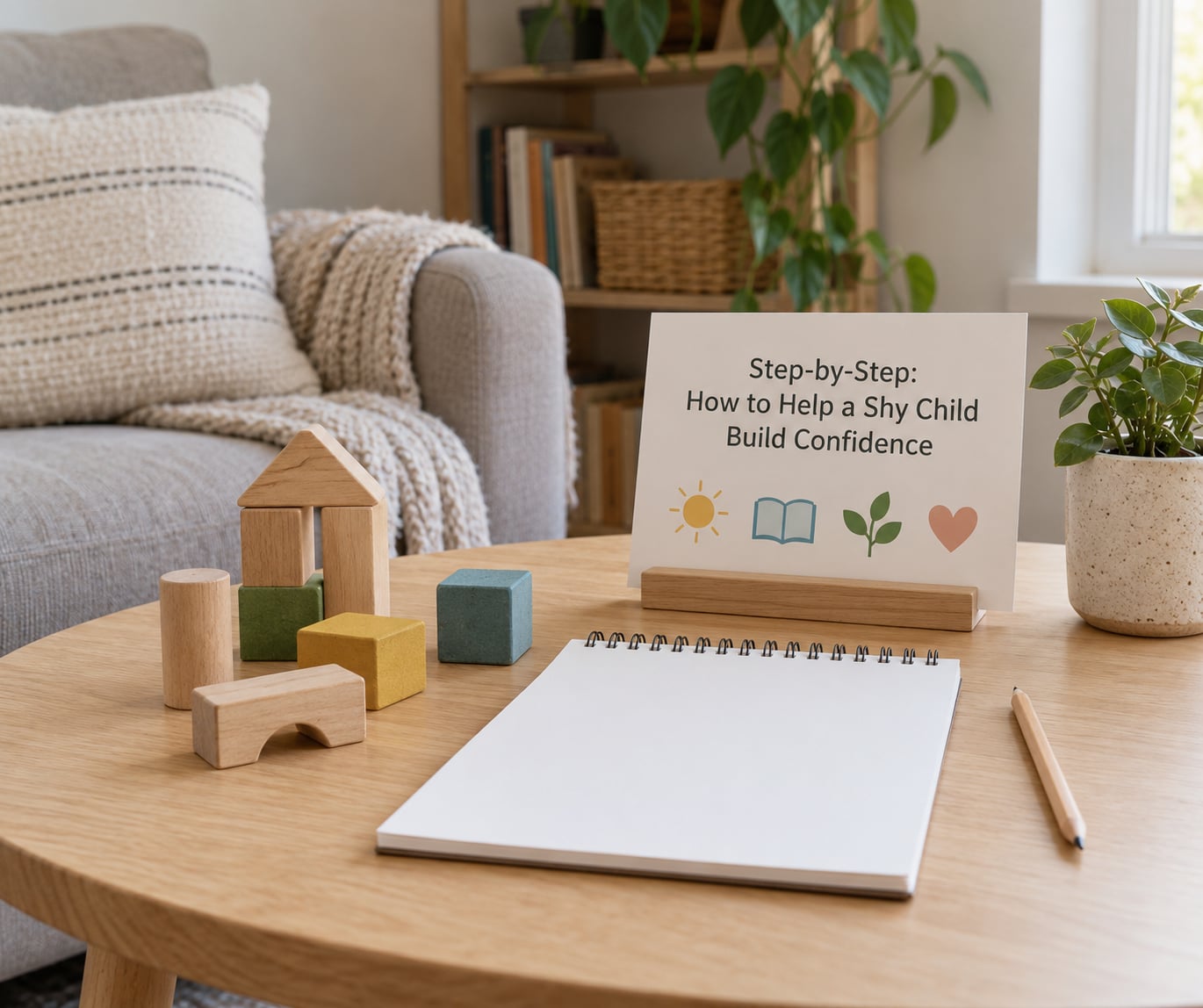
Start With One Safe, Predictable Activity
Choose something your child already enjoys and already succeeds at. This is not the moment to introduce a new subject, a new group or a new skill. The goal is to practise four things: making a choice, asking for help, finishing a task that has an end, and tolerating one short transition.
Keep the session short. Fifteen minutes is plenty at the start. Ten calm minutes beat thirty minutes that end in tears, because a child who repeatedly succeeds at a hard thing learns that hard things are survivable.
Progress looks modest and it counts. Your child begins willingly, completes part of the activity, communicates a preference, or asks to stop safely. Say out loud what you noticed, in the moment: “You chose the green one without me asking.” That sentence is a lot more useful than “good job, buddy.”
Offer Two Manageable Choices
Open-ended instructions (“what do you want to do?”) are harder for a cautious child than two concrete options. Replace the open question with a choice between things you have already decided are acceptable: blocks first or drawing first, greeting the familiar neighbour by saying hello or by waving, the short task before the sensory break or after it.
Both options have to be fine. A “choice” where one option is a trick is not a choice, and children learn that quickly. Do not use choices as rewards (“you get to choose after you speak up”) or threats. The moment a choice is leverage, communication stops being safe.
Then wait. Give your child real time to answer, longer than feels comfortable. Many parents step in after two seconds out of pure discomfort and end up answering for their child, which quietly teaches them that adults handle talking for them. Parents on Reddit and on the whattoexpect community forums describe this as the single most common habit they wish they had stopped sooner.
Communication does not have to be spoken. Signs, pictures, a choice card, an assistive device, an AAC app, pointing or writing all count. Whatever a clearly communicated no means, treat it as a no.
Build Familiar Routines and Small Brave Moments
Routines lower the cost of new situations. Build a simple sequence for arriving, greeting, participating, taking a break and leaving, and run it the same way each time. Most children handle a surprising situation far better than a familiar situation handled badly.
Then change one element at a time. Practise greeting a familiar friend with a parent standing nearby before attempting it with the parent stepping away. Stay five extra minutes after a short activity. Move from the kitchen table to the living room, then to a table in the quiet corner of a library. One variable at a time keeps the experience readable.
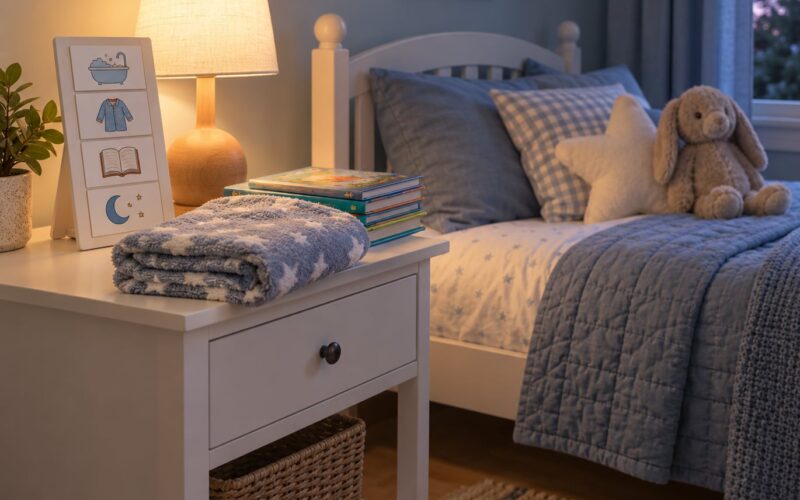
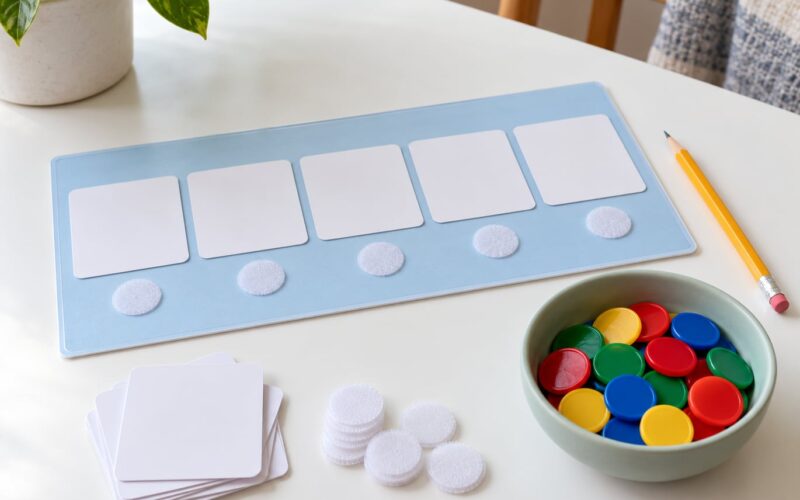
If a visual schedule or a short social story reduces the uncertainty, use one. Write it in the moment, in plain words: today we go to the pool, we swim for fifteen minutes, we sit in the changing room, we go home. Keep it where your child can see it. For children who need that predictability, structure is not a crutch, it is how participation becomes possible.
Use Supportive Language and Praise Specific Efforts
The words you use become the story your child tells about themselves. Notice the specific thing: “You asked for help all by yourself,” “You told grandma you needed a minute,” “You tried that even though it was hard,” “You kept going after it went wrong.”
Avoid labels like shy, scared or afraid, and avoid praise aimed at outcomes your child did not control. “Good job, you were so brave” after they freeze for twenty minutes teaches nothing they can use. So does “You’re so social!” to a child who is exhausted.
Let your child tell you how it went when they can, and ask how much feedback they want. Some children love hearing every detail repeated; others find public praise unbearable. Say it privately, or write it down in the notebook instead.
Practice at Home Before New Social Situations
Most of a shy child’s anxiety is about not knowing what happens next. Rehearsal shrinks that gap. Role play a greeting with a teddy bear standing in for the new kid, practise saying “I don’t know, can you help me?” for asking a teacher, rehearse ordering at a restaurant, or visit a quiet public place together once before the day it actually matters.
Keep practice playful. Narrate with dolls, take turns being the customer, let your child be the grown-up for once. Stop before they are overwhelmed, not after.
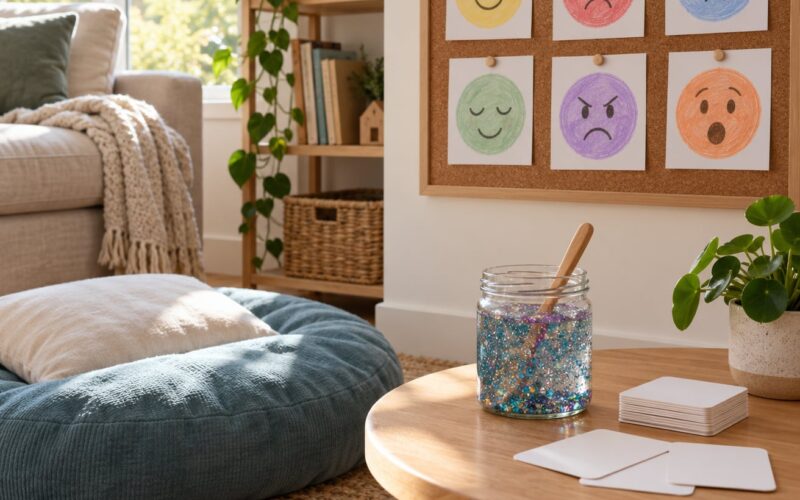
Afterwards, ask one question: okay, difficult, or overwhelming? Use the answer to set the next step rather than repeating the exposure immediately. Adults who were shy as children consistently say what they wanted most was advance warning and space, not pressure.
Let Your Child Set the Pace
Read readiness rather than assuming it: voluntary engagement, a request to try, quick recovery after a hard moment, or the words “again” and “I can do that.” Those are signals to stay nearby. Silence and shutdown are signals to reduce noise and shorten the visit.
You have real options while they build independence. Stand within sight. Cut the duration. Use a planned break with a clear return time. Bring a trusted adult who stays with your child so you are free to step out. Parents of autistic children and children with sensory sensitivities often find that a fixed job or role in a group (setting up equipment, holding the clipboard, being the helper) gives their child a way in that pure socialising does not; our piece on helping an autistic child make friends at school goes into that in more detail.
Expect uneven progress. Growth stalls during illness, a new sibling, a move, a change in school or a run of sensory overload. A quiet week is not lost ground, and it is not failure on your part either.
Celebrate Quiet Wins and Review Progress
Keep a simple record: the small action your child chose or completed, the support that helped, and how they recovered afterwards. Write one line a day. Once a month, read it back.
Most parents find the review more useful than the day-to-day effort, because confidence changes so gradually that daily life hides it. A note from January saying “spoke to the cashier after two minutes of waiting” makes a June note saying “greeted three neighbours unprompted” legible.
Celebrate attempts, communication, self-regulation and boundary-setting. A child who says “no, too loud” and gets respected has done something genuinely hard, even though nothing visible happened in the room.
If anxiety stays intense, if your child cannot manage daily routines, or if distress is persistent, that is the point to talk with a pediatrician, licensed therapist, school team or other professional. Support works; you do not have to do this alone or by guessing.
Common Mistakes
Most setbacks come from well-meant phrases and pressure, not from neglect. Here are the six I hear most, and what to do instead.
Calling your child shy. The label becomes an identity, and children who are described as shy tend to act that way. Say “you take a while to warm up” or “you like a quiet corner best.” Describe the situation, not the person.
Forcing greetings and conversations. Dragging a child up to shake hands or answer a relative’s question teaches them that adults control the outcome and that their own no is irrelevant. Offer an alternative instead: a wave, a nod, a written card, or helping you carry something.
Comparing your child with other children. “Look how easily Jordan joins in” teaches your child that the problem is them. If you need a benchmark, use your own child last month.
Praising loudly in public. Some children light up. Others shut down and dread the next time. Ask privately instead, and let your child set how much feedback they want.
Promising unlimited outcomes. Do not tell a child a party will be fun or that a school day will be over soon. You cannot promise how they will feel. Promise that you will stay nearby and that they can say stop.
Raising the difficulty too fast. Three good days do not clear a hard day. Move up one step at a time and step back without drama when a week is rough. If school itself is the sticking point, our article on helping a child keep up with classroom pace covers how to work with the school team rather than pushing at home.
One reminder to hold onto. Confidence is a learned skill, not a personality your child is stuck with, and the goal is not the loudest person in the room. It is a child who knows they can handle what comes next.
Frequently Asked Questions
Is shyness in children just a phase?
For many children, shyness eases gradually with age as they gain skills and widen their world. But temperament does not simply vanish, so treat it as something to support rather than wait out. Persistent avoidance tends to narrow over time, so gentle, gradual practice from home is worth starting now rather than assuming age will handle it.
How do I know if my child has social anxiety rather than shyness?
Shyness shows up mostly with unfamiliar people and new situations, and the child relaxes with people they know. Social anxiety is heavier: fear of being watched or judged, physical symptoms such as a racing heart or stomach aches, and distress that shows up even around familiar people. If anxiety blocks school, sleep, eating or play, ask your pediatrician or a licensed therapist for an assessment.
What activities help shy kids build confidence?
Choose activities with clear structure, one clear goal and a predictable setting: one-on-one swimming or music lessons, martial arts with a familiar instructor, art, board games, coding clubs or volunteering. One-to-one instruction often works better early on because progress is private and measurable. Pick something the child already enjoys and can succeed at, then expand slowly.
Should I force my shy child to join activities?
No. Pushing rarely speeds things up and often adds fear to the situation. Offer the activity, describe it honestly, give a clear opt-out, and let your child choose the level of participation. Exposure works when it is gradual, supported and reversible. If your child is already distressed, talk to their teacher, pediatrician or therapist before adding new demands.
Why is my child shy at school but completely outgoing at home?
School is unpredictable: new people every day, noise, rules they did not choose, and performance pressure in front of a group. Home is predictable and safe, so the same child can be talkative there and quiet at school. That pattern is common and is not a sign the child is pretending at home. Ask the teacher what your child does well in class and build from there.
Start With One Small, Successful Choice
Pick one familiar activity today, offer two workable options, and write down one thing you noticed. That is enough to begin.
Repeat it for a few weeks before adding anything. Notice the effort, keep the pace low, and let your child lead. If anxiety is intense enough to disrupt daily life, bring your notes to their pediatrician or care team and adjust the plan together.