To get TSA help at the airport with a disabled child, you request the free TSA Cares program: submit the TSA Cares form on tsa.gov or call the helpline at 1-855-787-2227 at least 72 hours before departure. Your child still goes through screening either way, but a trained officer is briefed first.
The whole process takes about ten minutes of admin work, a week or two before you fly, and it works best when the airline knows about it too. What follows is the request, the checkpoint conversation, and the parts parents find hardest to plan for.
Table of Contents
- What You Need Before Going Through TSA
- Step-by-Step: Getting Help From TSA
- Requesting Passenger Assistance When Booking or Checking In
- Talking With TSA Officers at the Checkpoint
- Helping a Child Prepare for Airport Screening
- Common Mistakes When Requesting TSA Assistance
- Frequently Asked Questions
- Do I need to provide my child’s medical diagnosis to get TSA help?
- What should I bring to the airport for my disabled child?
- Can my child get private or less stressful screening?
- What if my child cannot walk through the metal detector?
- Is TSA disability assistance available at every airport?
- Conclusion
What You Need Before Going Through TSA
You do not need a diagnosis, a letter, or a doctor’s signature to ask for help. TSA lists three ways an officer can be told about a disability or medical condition: telling them out loud, showing the free TSA Disability Notification Card, or handing over medical documentation. Any one of the three is enough.
The notification card is a printable two-page PDF from tsa.gov that covers autism, cognitive and developmental disabilities, hearing and vision loss, mobility devices, service animals, implants, and radioactive medication. Print two copies, one in your carry-on and one in the checked bag, because the copy in the wrong bag is the one you need.
Here is what to have in hand on the day:
- Boarding passes and photo ID for the adults traveling with the child.
- The TSA Disability Notification Card, printed or saved on a phone.
- Any medical documentation you find reassuring, such as a one-page letter naming the diagnosis and what the child needs during screening.
- Medication in original labeled containers, plus formula, feeding tubes, suction machines, and cooling packs, so liquid items can be visually screened instead of sent through the machine.
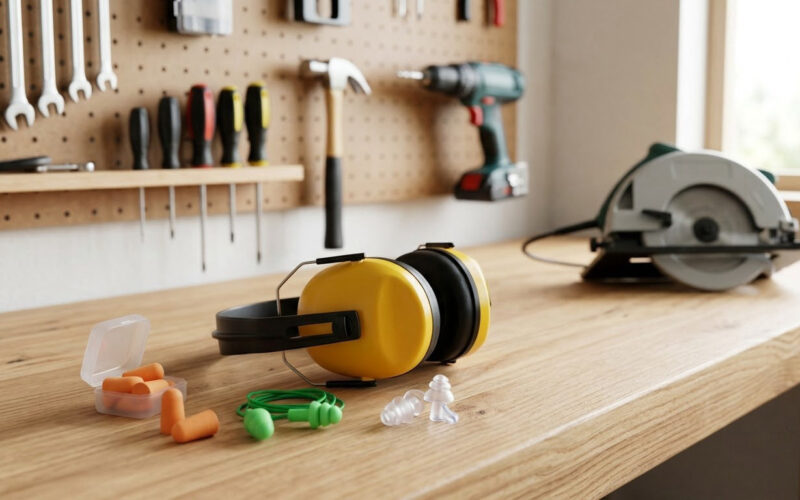
- A comfort item from home and noise-reducing headphones your child will actually tolerate.
Bring documentation if you want it. Nobody at the checkpoint is likely to demand it, and a letter naming the disability removes one more thing to explain out loud in a loud room.
Step-by-Step: Getting Help From TSA
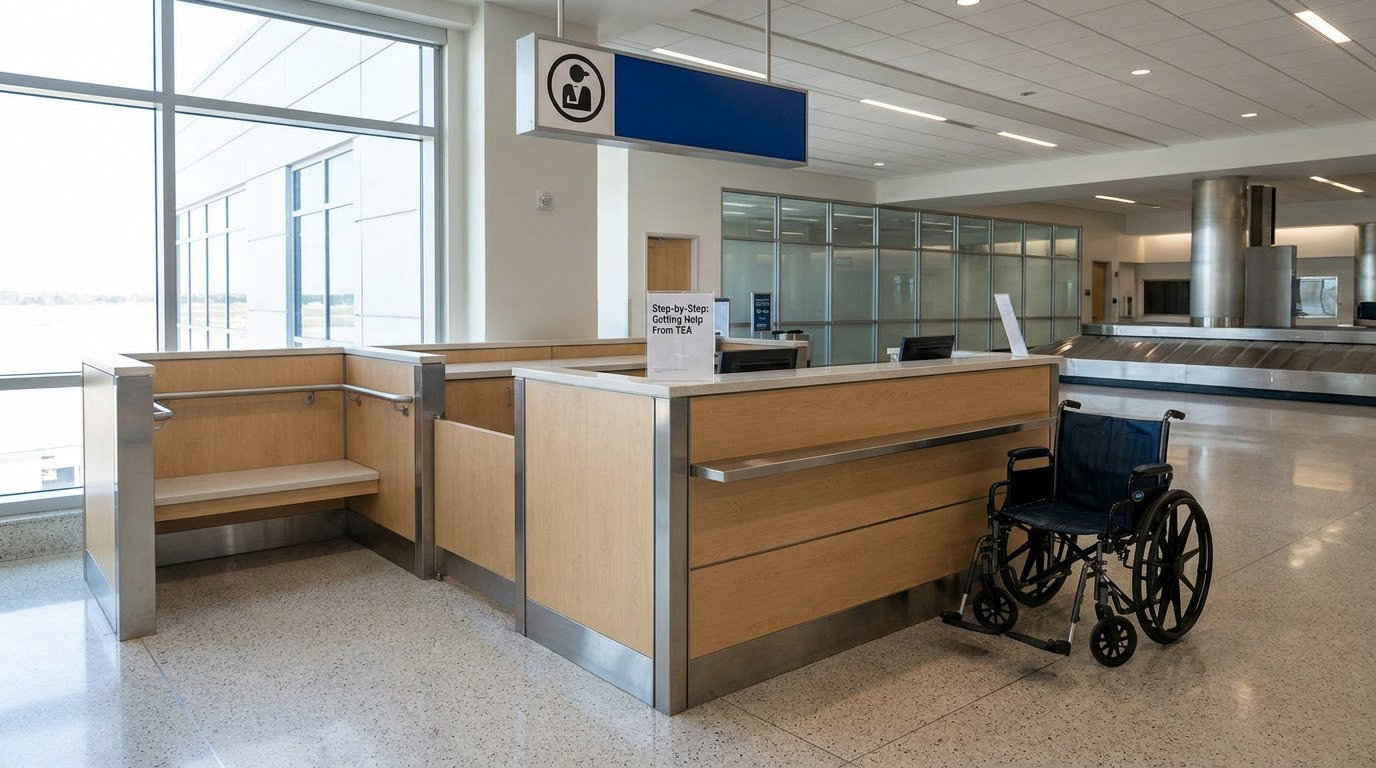
The order matters more than most guides suggest, because the request is easy to lose between booking and the checkpoint. Six steps cover it.
- Request TSA Cares at least 72 hours ahead. Use the TSA Cares request form on tsa.gov, or call 1-855-787-2227. Give the flight number, departure airport, date, and your child’s needs in plain words.
- Tell the airline in the same breath. Airline special assistance and TSA Cares are separate programs, and the airline is the one that can add a wheelchair, a meet-and-assist at the gate, or extra boarding time.
- Print the notification card and pack your documents. Do this days before, not at the gate.
- Arrive with extra time and use the accessible lane. Families with a child who cannot walk or who needs a wheelchair are usually directed to the family or accessible lane rather than the general line.
- Ask for TSA Cares at the ID-check podium and again at the screening entrance. Say it twice, because the request sometimes does not travel with you.
- If nothing happens, ask for a supervisor. Every checkpoint has one, and asking is routine rather than confrontational.
Requesting Passenger Assistance When Booking or Checking In
When you call the airline, ask for special assistance and give the same details you gave TSA: mobility needs, sensory needs, communication differences, difficulty following spoken instructions. The agent should be able to add the request to the reservation so it shows up at check-in and at the gate.
Reconfirm at the ticket counter the morning of the flight, in one sentence: “TSA Cares is filed under this reservation, and we would like assistance from the curb to the gate.” That single sentence catches the case where the request existed on paper but never reached the airport.
TSA’s general Contact Center, 1-866-289-9673, is a fallback for policy questions. It is not the line for a same-day accommodation at a specific checkpoint, so use the TSA Cares number first.
Talking With TSA Officers at the Checkpoint
Keep it short and factual. A sentence that works: “My son has autism, loud noise and touching him cause a lot of stress, and we have requested TSA Cares.” Officers are making decisions in seconds, not conducting an assessment.
Two things come up most. The first is headphones. You can say: “These headphones are how he regulates. Is there a way to keep them on, or can we remove them in a private screening area instead of the open lane?” A parent in r/Autism_Parenting described an officer at San Antonio who insisted on removing them before agreeing to alternative screening, so expect to negotiate rather than assume a yes.
The second is a request that never arrives. In that same r/Autism_Parenting thread, a family flying from Sacramento got a phone call advising the Priority lane, but the ID-check agent had not registered the request. The family was waved down the line, then helped at the screening entrance, where alternative screening was arranged and the child kept her headphones. The fix is the second ask: state the request again at the entrance, and if the response is a shrug, ask for the checkpoint supervisor.
Expect chemical swabbing of the whole family, including the child, and a pat-down as an alternative to the machine. That is normal and it is the accommodation parents most often want.
Helping a Child Prepare for Airport Screening
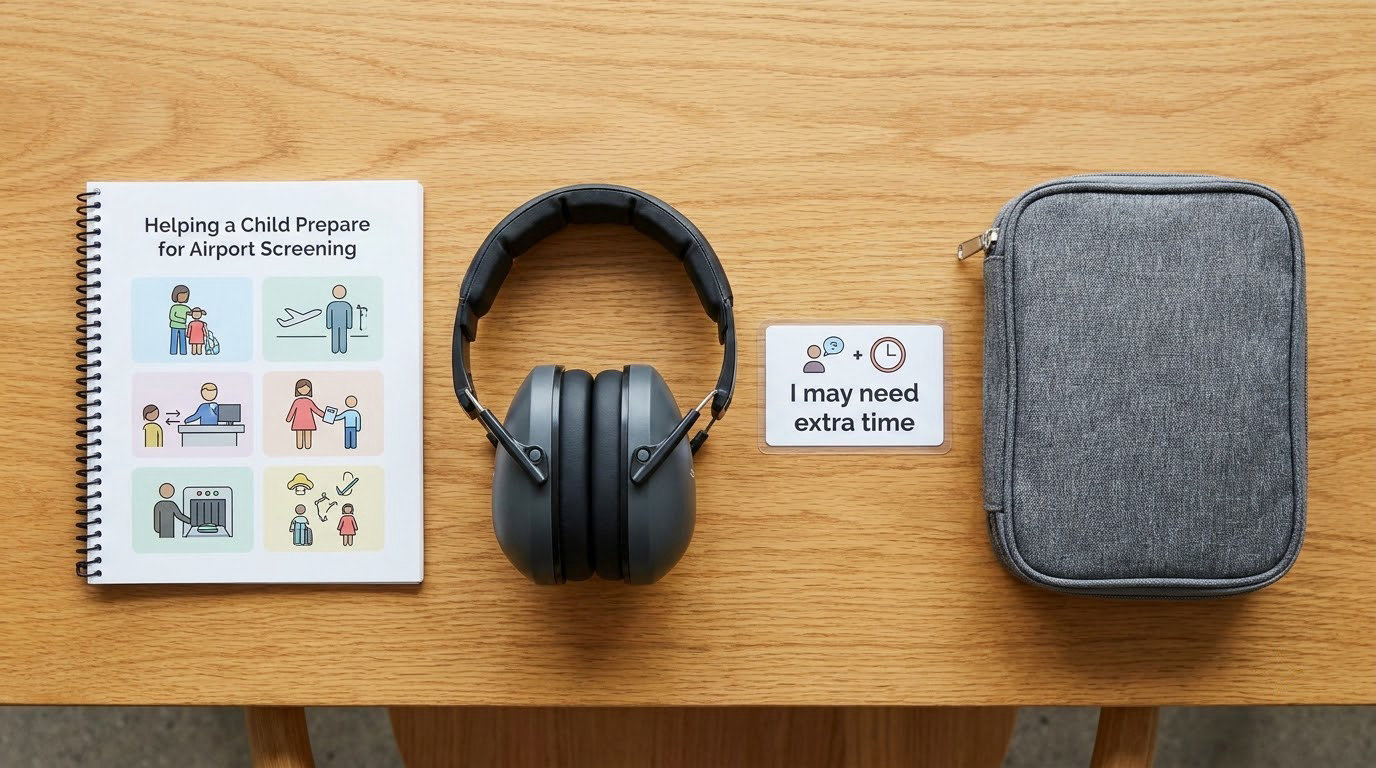
Preparation does more work than any accommodation on the day. A day or two before, walk through a simple visual sequence: bag on belt, shoes off, walk through the machine, hands up, collect bags, done. A social story in the child’s own words works better than a generic one, and airports that run flight rehearsal programs let your child practice on a real checkpoint during a quiet time.
For sensory needs, pack the headphones, a weighted or fidget item, and a small card that says “Autistic. Please give us time. Thank you.” Hand the card to the officer yourself if the child does not speak, so the interaction never depends on the child explaining under pressure.
For mobility needs, confirm the wheelchair or scooter is tagged and that the chair is returned at the gate. For communication differences, write your key needs on an index card before you leave home.
If a meltdown starts, step to the side of the lane rather than staying in it, and tell the officer plainly: “He is overloaded, not a safety issue, give us two minutes.” In a crowded terminal, keeping a hand on your child matters a great deal; an ID bracelet with your phone number is cheap insurance against wandering.
Common Mistakes When Requesting TSA Assistance
- Waiting until the day before. Requests made under 72 hours out can still be filed, but the checkpoint may not have a specialist available. If you are already at the airport, skip the form and ask in person, then call 1-855-787-2227 from the terminal.
- Assuming a diagnosis qualifies your child for a particular screening. TSA decides accommodations case by case. Autism does not automatically mean no machine, no pat-down, or a private room.
- Believing the notification card gets you out of screening. It is an information tool for the officer. It does not exempt anyone.
- Leaving documents behind. Printed card, ID, medications in labeled containers, and any letter go in the carry-on, not the checked bag.
- Forgetting the airline. The wheelchair, the gate meet-and-assist, and extra boarding time come from the airline, not from TSA.
- Not asking the airline and TSA to coordinate. A request in the reservation plus a request with TSA is two different systems. One working is not enough.
One more, and it is the big one: treating a smooth airport as proof the program works everywhere. The same family that was helped at one checkpoint met pushback at another, which is the honest state of TSA Cares as of 2026. Expect variation, and prepare your words.
Frequently Asked Questions
Do I need to provide my child’s medical diagnosis to get TSA help?
No. TSA recognizes three ways to inform an officer about a disability or medical condition: telling the officer verbally, showing the free TSA Disability Notification Card, or providing medical documentation. A diagnosis is not required to request TSA Cares, and you do not have to explain it at the checkpoint. Some parents carry a short letter from the doctor anyway, because it saves a long conversation in a noisy space.
What should I bring to the airport for my disabled child?
Bring a printed TSA Disability Notification Card, photo ID for the adults, boarding passes, and any medical documentation you find useful. Keep medications in their original labeled containers so they can be visually screened, and pack formula, feeding supplies, and cooling packs the same way. A comfort item and the noise-reducing headphones your child relies on matter more than paperwork on most days.
Can my child get private or less stressful screening?
Often, yes, if you ask. TSA can offer alternative screening away from the general lane, a private screening area, or a checkpoint with less foot traffic, and a pat-down instead of the walk-through machine. Describe the reason in one sentence, such as noise and touching cause distress, and ask for the quieter option rather than for a specific outcome. Requests are considered individually.
What if my child cannot walk through the metal detector?
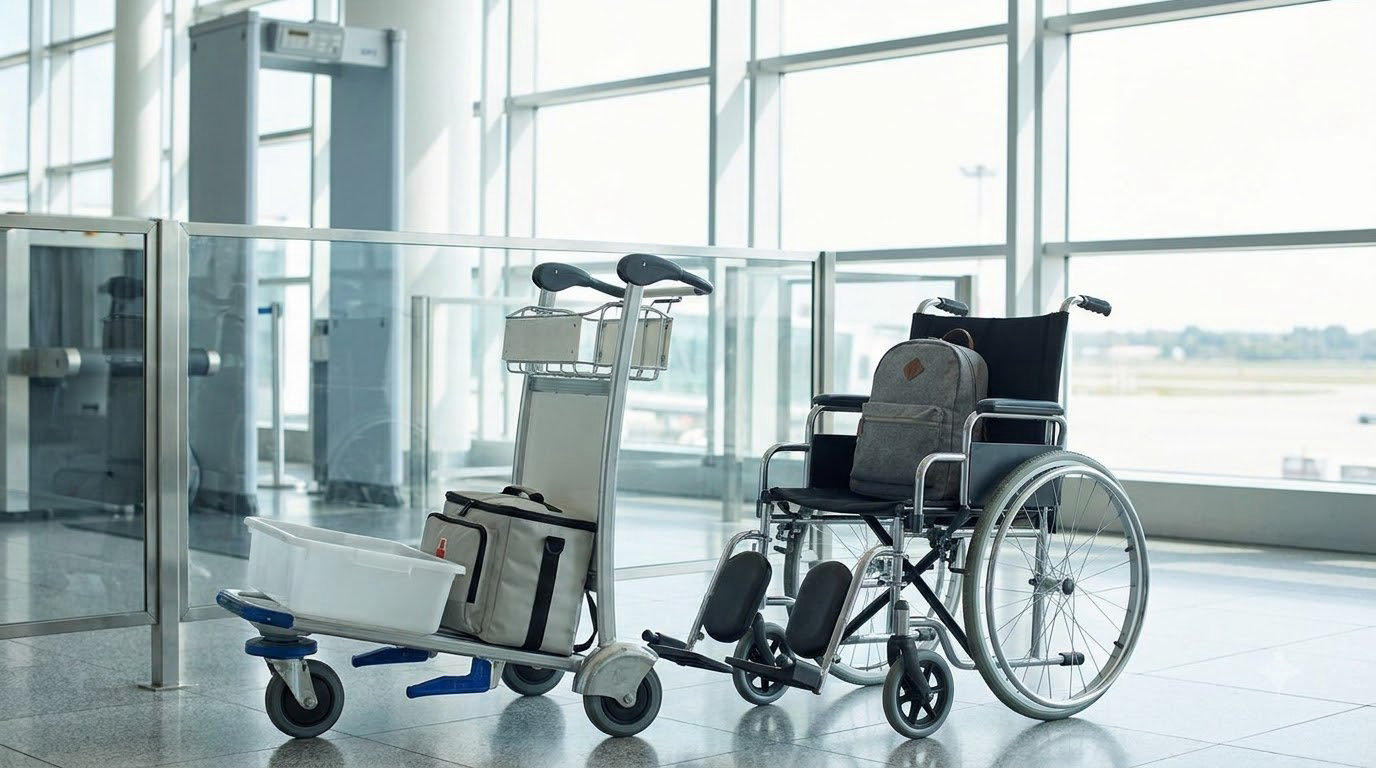
Tell the ID-check agent or the officer at the screening entrance before you reach the machine, and say the child uses a wheelchair, cannot walk through the detector, or needs to be screened separately. You will be directed to the accessible or family lane, and the officer can resolve the machine procedure for a non-ambulatory traveler. Letting them know early is the difference between a calm screen and a rushed one.
Is TSA disability assistance available at every airport?
The TSA Cares program is nationwide, and the request form and helpline are the same wherever you fly. What varies is staffing and training at the individual checkpoint, so the quality of the experience can differ airport to airport on the same trip. If the request is not honored on arrival, ask again at the screening entrance and then ask for a checkpoint supervisor, and tell the airline so it can re-notify TSA.
Conclusion
The first thing to do is file the request: TSA Cares form on tsa.gov or 1-855-787-2227, at least 72 hours before departure, with the flight number and your child’s needs in plain language. Then call the airline and put the same request in the reservation, print the notification card, and rehearse the screening sequence at home.
On the day, say the request out loud twice, once at the ID-check podium and once at the screening entrance, and ask for a supervisor if it stalls. That is how to get TSA help at the airport with a disabled child, and it is worth ten minutes of your attention to make the rest of the trip calmer.