The trick to baking with almond flour is simple: never swap it in cup for cup, add a binder, and weigh your ingredients. Almond flour has no gluten to build structure, so it leans entirely on eggs, gums, or whipped whites for lift and on fat for tenderness. Get those three things right and cookies, muffins, and cakes turn out reliably tender and nutty instead of crumbly or dense.
It also helps to know who is baking and why. Plenty of families bake this way because of allergies or a restricted diet, and our guide to handling holiday meals with a special diet covers the planning side of that. Here we stay at the counter.
Here is the short version of what you need to know before your first batch.
- Almond flour is finely ground almonds, so it carries fat, fiber, and moisture into the batter.
- No gluten means no structure. Cookies need a binder such as egg, xanthan gum, or cornstarch.
- Measure by weight. A cup of almond flour packs far denser than a cup of wheat flour.
- Drop the oven temperature by about 25 degrees, since the high fat browns the edges quickly.
- Use a tested formula the first few times rather than converting a family wheat recipe on the fly.
Table of Contents
- What You Need
- Step-by-Step: How to Bake with Almond Flour for a Basic Batch
- Choose a Reliable Recipe and Pan
- Combine the Dry and Wet Ingredients
- Shape, Bake, and Cool
- What to Watch For
- Common Mistakes
- Frequently Asked Questions
- Can I use almond flour in any cookie or cake recipe?
- Does almond flour make baked goods gluten-free?
- Why are my almond flour cookies spreading too much?
- Can I replace wheat flour with almond flour one-for-one?
- What pan works best for baking with almond flour?
- How should I store almond flour cookies and cakes?
- Conclusion
What You Need
Flour is the obvious part. Everything else exists to compensate for what almond flour cannot do on its own.
- Superfine almond flour. Finely ground flour bakes up tender. Coarser grind leaves a grittier crumb, which is fine for rustic crackers but not for cookies. Blanched flour is lighter in color and milder in flavor; unblanched flour keeps the skins and tastes more nutty.
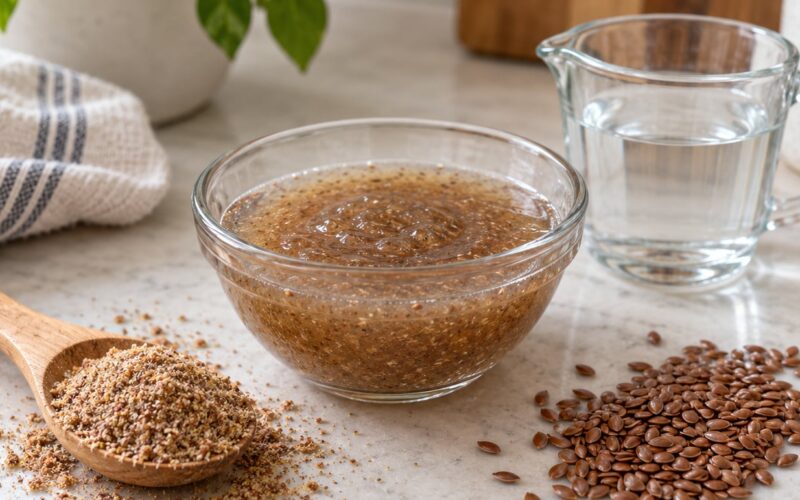
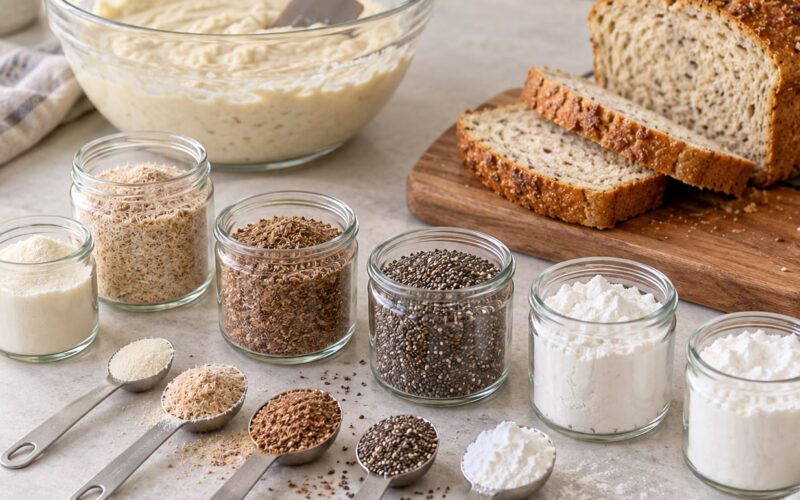
- A binder. One egg per cup of flour handles most cookies. Cornstarch lightens the texture, xanthan gum adds structure in breads and bars, and chia or flax seeds work if you need to stay egg-free.
- Leavening when the recipe needs it. Baking powder for cookies and muffins, baking soda paired with an acidic ingredient like brown sugar or cocoa.
- Fat and a sweetener. Butter, oil, or coconut oil bring tenderness and browning. Be a little conservative with the fat, since almond flour already carries a lot.
- Eggs. One egg is your simplest binder and it also adds structure once whipped.
- A digital kitchen scale. This is the single tool that fixes most repeat failures. Volume scoops vary; grams do not.
- A whisk, a rubber spatula, and a baking sheet lined with parchment. Parchment is not optional if you want cookies that lift off cleanly.
- An oven thermometer. Home ovens run hot or cold without warning, and almond flour browns faster than wheat dough.
Two allergy notes. Almond flour is a tree nut, so it is off the table for anyone with a nut allergy. It is also milled in facilities that often handle other nuts and wheat, so if you are baking for a child with severe allergies, our piece on picking a mattress for a child with allergies covers the same seriousness in a different room.
Step-by-Step: How to Bake with Almond Flour for a Basic Batch
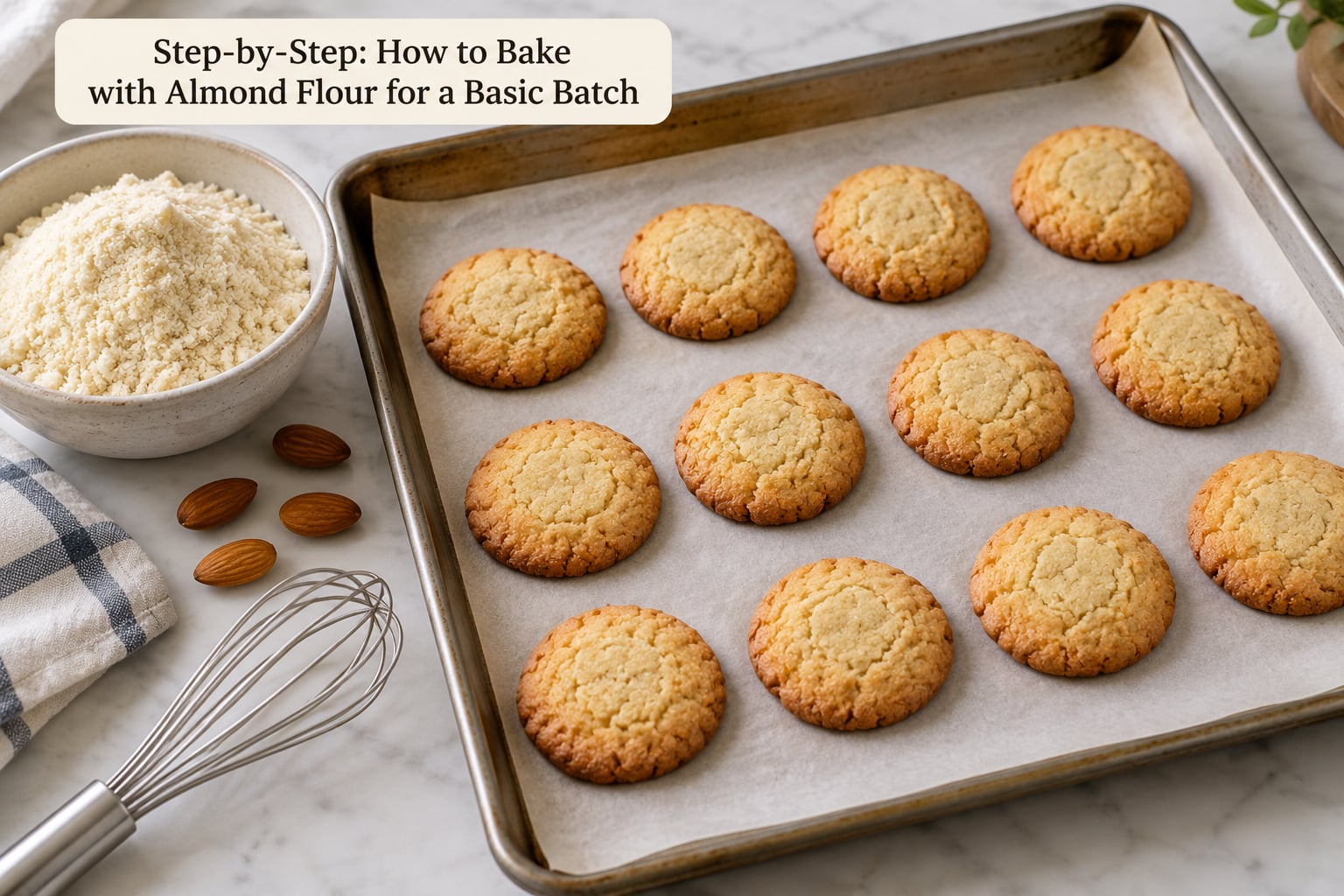
A simple egg-binder cookie is the easiest place to start. Prep time is about 15 minutes and the whole thing is in the oven in well under half an hour.
Choose a Reliable Recipe and Pan
Start with a recipe written for almond flour rather than converting a wheat one yourself. Wheat flour gets its structure from gluten developing as you mix, and almond flour never will, so a straight conversion leaves you guessing at the missing piece. A tested formula already accounts for it.
For the pan, use a standard half-sheet rimmed in parchment and leave about two inches between cookies. Space matters more here than with wheat dough because almond flour cookies spread as they set, and touching cookies bake into one lumpy sheet. Bake on the middle rack and rotate the pan halfway through if your oven runs hot.
Combine the Dry and Wet Ingredients
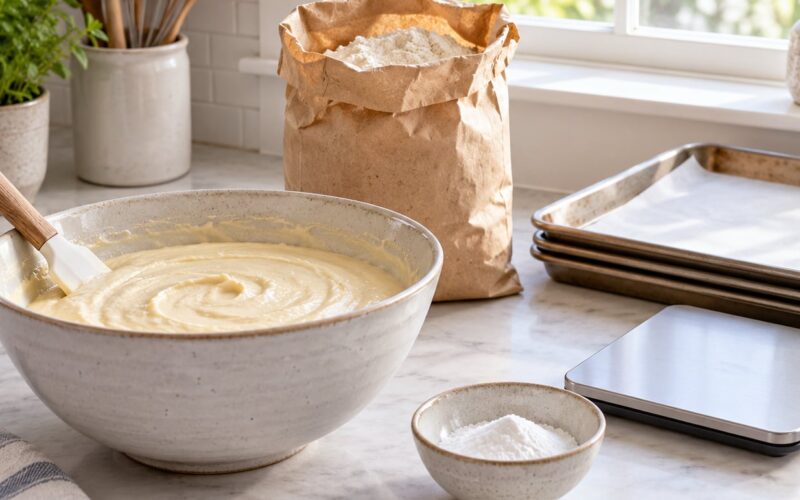
Whisk the almond flour, baking powder, salt, and any cornstarch together in a bowl before anything wet goes in. Sifting the dry mix is not required, but breaking up any lumps with the whisk is. If your flour has hardened clumps, press them through a fine mesh strainer first.
In a second bowl, combine the egg, melted butter or oil, vanilla, and sweetener. Melted butter should cool a few minutes before it meets the egg, since hot fat scrambles it.
Add the wet to the dry in two or three additions, stirring just until no dry streaks remain. Stop there. There is no gluten to develop, so extra mixing only dulls the texture and can make the dough greasy. The finished dough should look uniform and slightly tacky, like soft cookie dough rather than wet batter.
If the dough feels dry and pulls into crumbs, add a teaspoon of water at a time. If it feels sticky and loose, chill it for 15 minutes before portioning.
Shape, Bake, and Cool
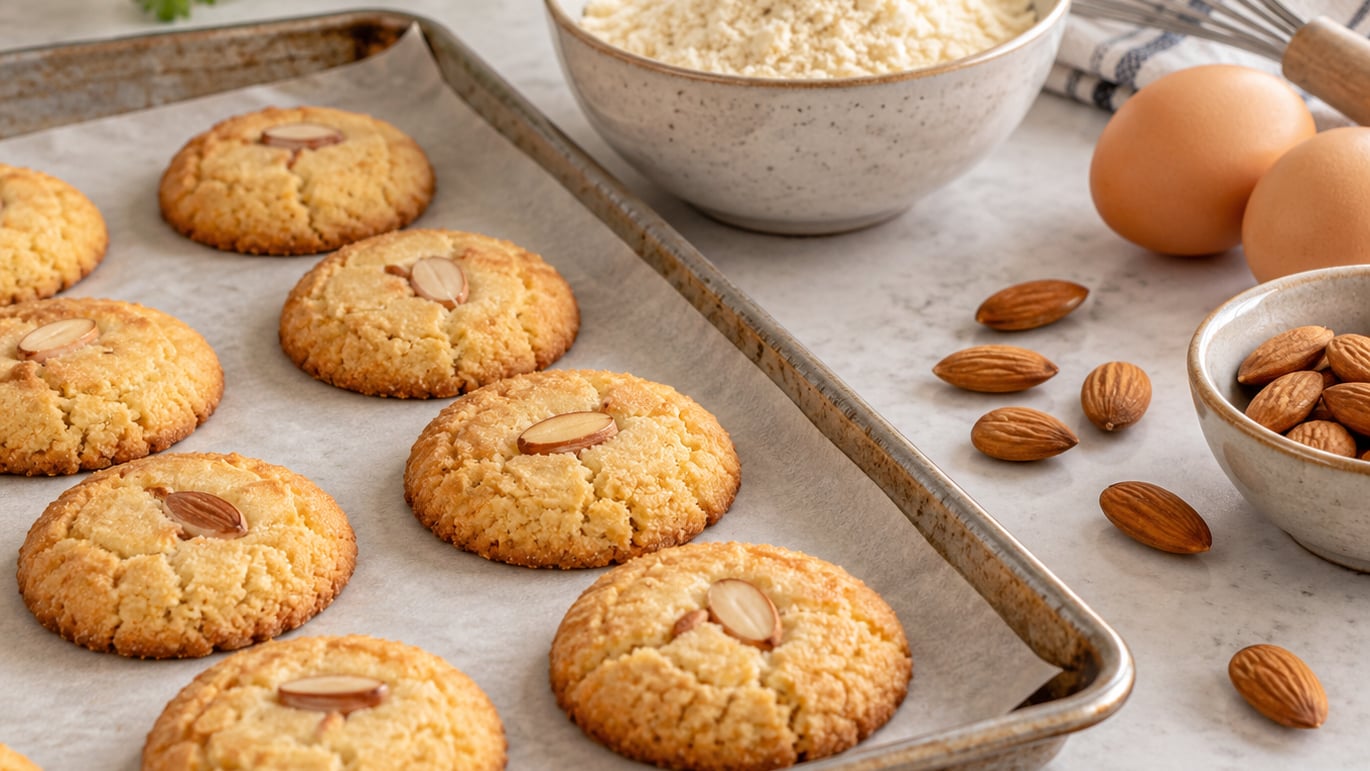
Scoop the dough with a cookie scoop or a tablespoon, place the rounds on the prepared sheet, and flatten each one to about half an inch tall. Flat, evenly sized cookies bake evenly, and thin ones dry out before they crisp.
Bake at 325 degrees until the edges look set and faintly golden and the centers still look slightly underdone when you peek at 10 minutes. Most cookies land between 10 and 14 minutes. The center should feel soft when the sheet comes out of the oven, since it finishes setting on the pan.
Let them cool on the baking sheet for 10 minutes, then move them to a wire rack so the bottoms finish drying instead of going soft. Store cookies in an airtight container at room temperature for up to four days, or freeze them in a single layer on a tray before stacking.
For cakes and muffins, the same rules apply with two changes: add whipped egg whites for lift, and reduce the fat by about a quarter so the crumb stays tender rather than heavy. Many gluten-free bakers add a tablespoon of cornstarch per cup of almond flour, which softens the texture noticeably.
What to Watch For
Almond flour browns faster than wheat flour because of its fat content, so pull the bake early and let residual heat finish the job. If the bottoms darken before the centers set, drop another 10 to 15 degrees on the next batch.
Store the flour itself in an airtight container in the freezer, in small portions you can pull out as needed. Almond oils go rancid, and a bag that smells like crayons or old nuts will make your cookies taste off no matter how well you measure everything else.
Common Mistakes
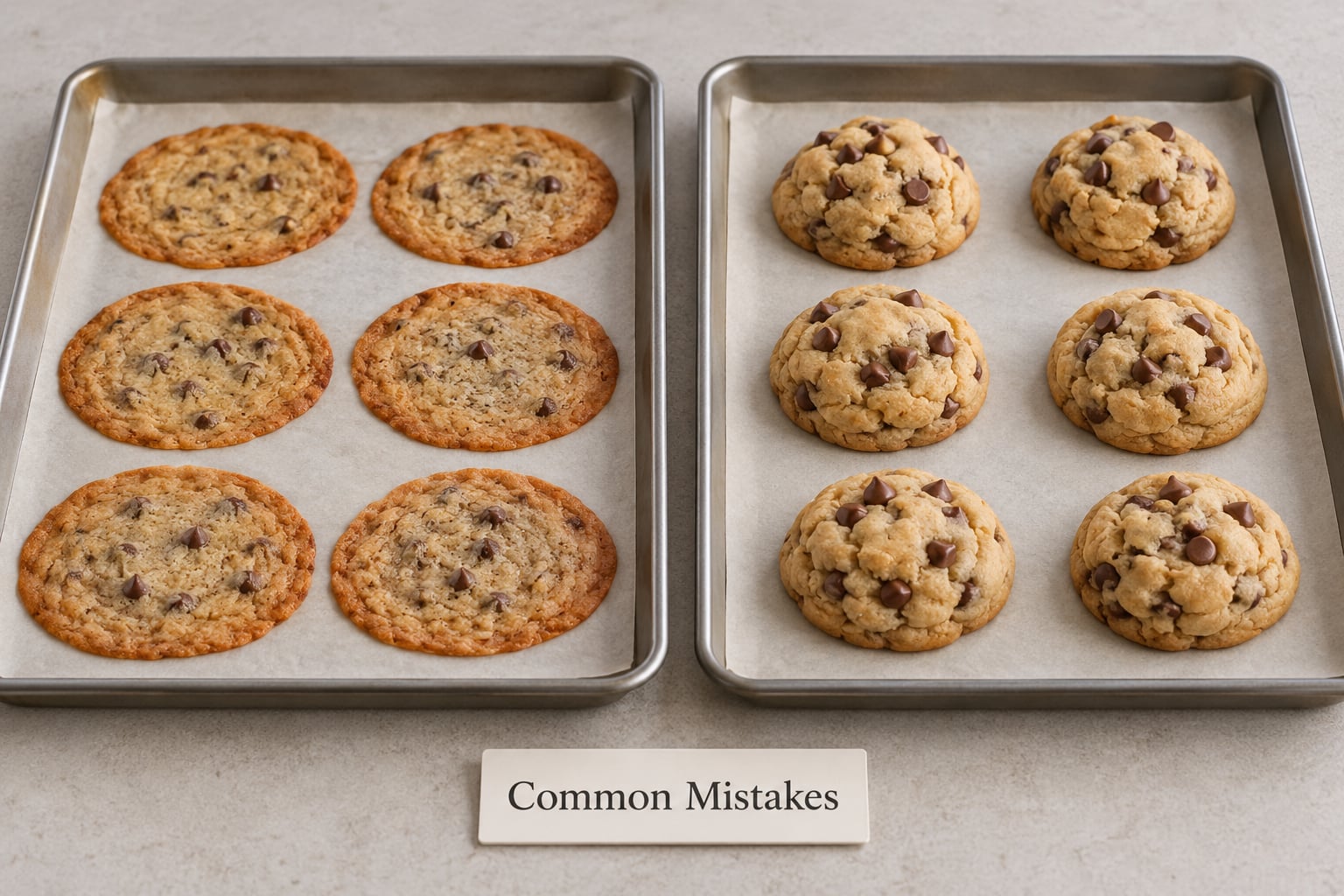
Almost every disappointing almond flour bake traces back to one of five things.
- Substituting measure for measure. One cup of almond flour weighs about 96 grams, while a cup of all-purpose flour weighs around 120. Swapping them cup for cup leaves you with a dry, crumbly dough and a recipe that never rises. Fix it by weighing, and by adding a binder.
- Skipping the binder. Cookies that crumble in your hand need more egg, a spoon of cornstarch, or a quarter teaspoon of xanthan gum per cup of flour.
- Cookies spreading into one sheet. Usually too much fat, too little flour, or a hot pan. Chill the dough for 15 to 30 minutes, space the rounds further apart, and check your oven temperature.
- Cakes and muffins coming out dense or brick-like. More leavener helps, and so does folding in egg whites whipped to stiff peaks. Confirm your baking powder is fresh, since stale powder is a common culprit in flat results.
- Overmixing. Wheat dough rewards vigorous mixing. Almond flour dough does not. Stir until the streaks disappear and then stop, or the texture turns pasty and greasy.
Two more worth mentioning: using flour that has been open for months, which brings a stale bitterness to the whole pan, and crowding the sheet, which raises the temperature inside the oven and burns the edges.
Frequently Asked Questions
Can I use almond flour in any cookie or cake recipe?
Not as a straight swap. Almond flour has no gluten to create structure, so a wheat recipe swapped cup for cup usually turns out dense or crumbly. It works best in recipes written for it, or when you cut flour by about 20 percent, add a binder such as an egg, cornstarch, or xanthan gum, and reduce the fat slightly. Yeast breads are the exception that needs the most work, since almond flour alone will not rise.
Does almond flour make baked goods gluten-free?
Almond flour is made from almonds, so it contains no gluten naturally. That makes the flour itself gluten-free, but the finished bake depends on everything else in the bowl and the pantry. Cross-contamination is the real risk: many brands mill nuts alongside wheat. Look for a label that states gluten-free certification if you are baking for someone with celiac disease, and use clean utensils.
Why are my almond flour cookies spreading too much?
Spreading usually comes from too much fat, too little flour, or a pan that is too warm. Chill the dough for 15 to 30 minutes before portioning, leave two inches between cookies, and check your oven temperature with a thermometer. Cutting the butter or oil by a quarter also helps. If the dough is loose rather than spreadable, add a tablespoon of flour and chill it again.
Can I replace wheat flour with almond flour one-for-one?
No. One cup of almond flour weighs about 96 grams against roughly 120 grams for a cup of all-purpose flour, so a one-for-one swap changes both the moisture and the structure of the dough. As a rough starting point, replace about three quarters of the wheat flour with almond flour, add an egg or a spoon of cornstarch as binder, and expect to lower the baking temperature by 25 degrees.
What pan works best for baking with almond flour?
A rimmed baking sheet lined with parchment is the safest choice for cookies, since nothing sticks and the parchment gives the cookies a slightly crisper bottom. For cakes, use a metal pan that is well greased and lined, since nut flours need a clean release. Skip silicone mats for cookies unless you like softer bottoms, and avoid dark pans, which brown almond flour too quickly.
How should I store almond flour cookies and cakes?
Cookies keep about four days in an airtight container at room temperature, and up to three months frozen on a tray before stacking. Store cakes loosely wrapped so the crumb does not dry out, and refrigerate only cakes with perishable fillings. Keep the flour itself in the freezer in small portions, since almond oils turn rancid quickly at room temperature.
Conclusion
Your first step is the simplest one: pick a formula written for almond flour instead of converting a wheat recipe measure for measure. Weigh your flour, add a binder, drop the oven 25 degrees, and pull the bake a minute or two early.
Make one small batch and write down what changed. Did the cookies spread too far? Shorten the chill next time. Was the crumb tight? Add whipped whites or a spoon of cornstarch. If your results swing between batches, look at the flour itself, since freshness and grind explain more failures than technique does.
Once the cookies are reliably good, move to cakes. If baking for a household where allergens run through every week, our guide to reducing dust for a child with allergies covers the other everyday corners worth getting right.