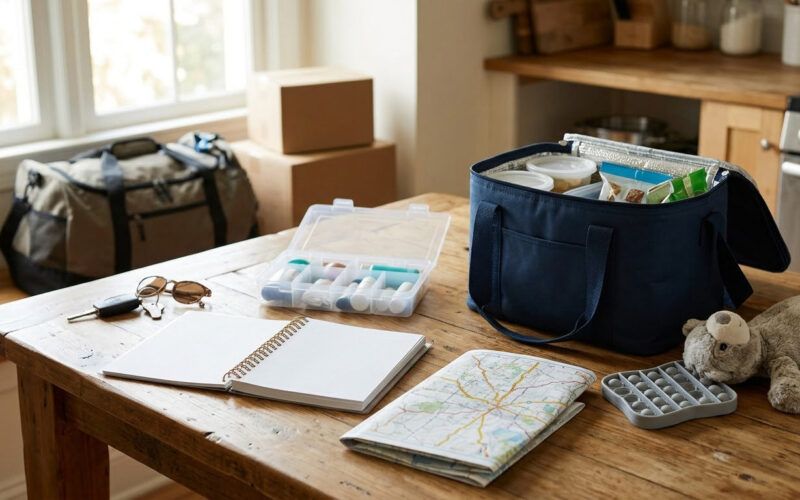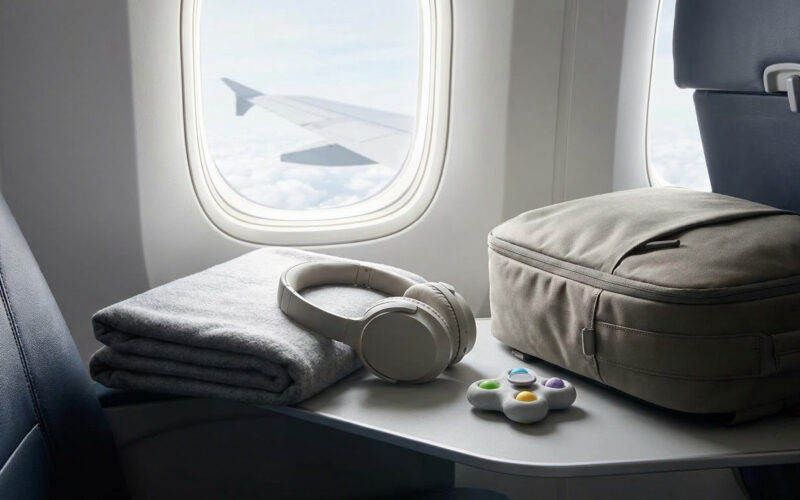
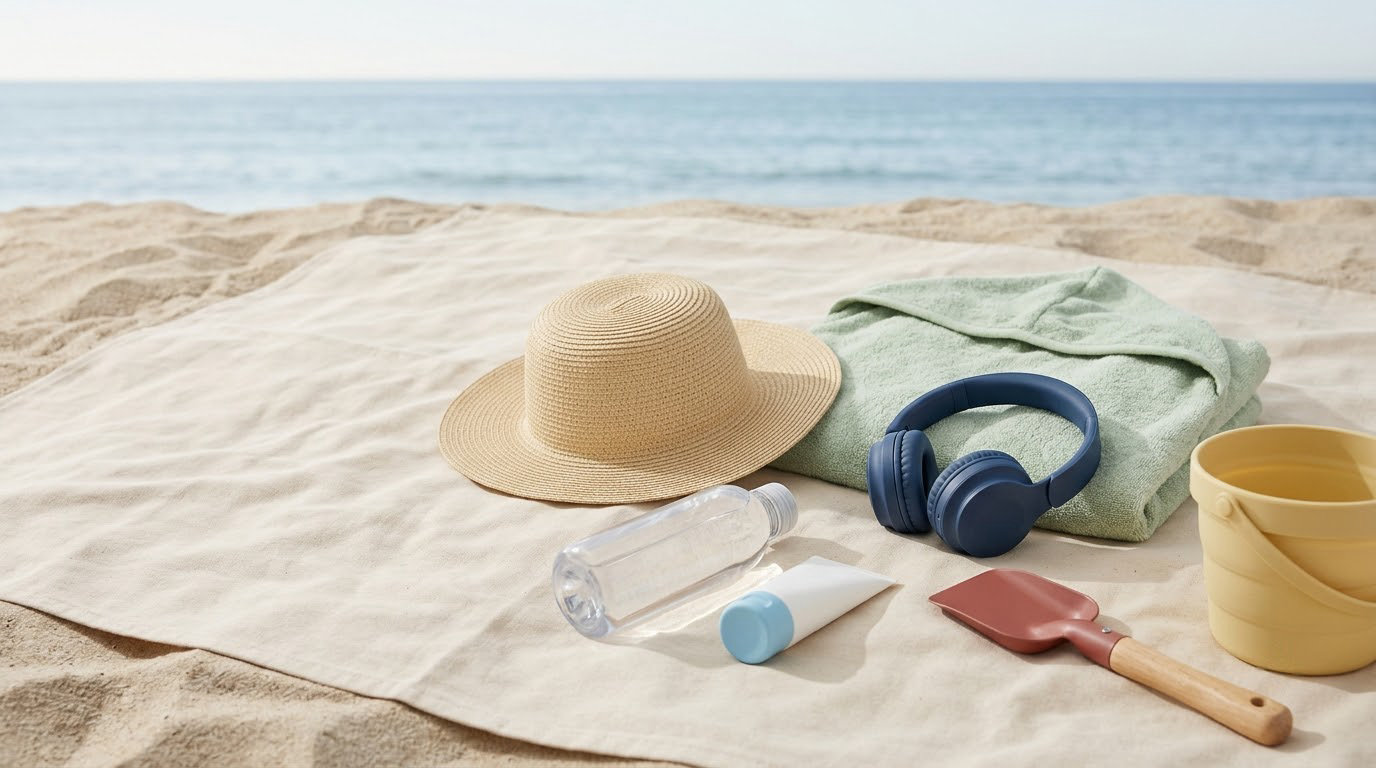
Learning how to plan a beach day with a sensory sensitive kid comes down to managing the environment instead of managing the child. Arrive early on a weekday at a quieter stretch of shoreline, set up a tent as a home base, keep one adult on water duty, take a quiet break before ninety minutes are up, and be ready to leave before anyone melts down. It takes roughly a week of prep and one calm, short outing.
Here is the tension nobody mentions: the beach is the most stimulating place you can take a sensory sensitive kid and the most regulating one. Sand, salt, cold water, heat, glare off the water, wind, and crowd noise all arrive at once. Unmanaged, that load ends a visit before it starts. Planned, the same waves and deep pressure can settle a child who was wound tight at home.
Parents in r/Autism_Parenting threads about beach trips describe the same arc repeatedly: a good morning, a tipping point around the transition out of the water, and a hard ride home. The families who get a genuinely good day are almost never the ones with the biggest setup. They are the ones who decided in advance what the day would look like, what it would end with, and what they would skip.
Reviewed for October 2026. This is parent experience, not clinical advice. If your child has a medical condition, feeding plan, or medication schedule that makes heat or water a concern, talk to their pediatrician before the trip.
Table of Contents
- What You Need
- Step-by-Step: How to Plan a Beach Day With a Sensory Sensitive Kid
- 1. Identify your child’s sensory triggers
- 2. Choose a beach that works for your sensory sensitive kid
- 3. Pick the right time and build a short schedule
- 4. Prepare your child with a preview
- 5. Pack sensory supports and basic comforts
- 6. Arrive slowly and start in a low-demand spot
- 7. Use a flexible beach rhythm
- 8. Check in often and leave early when needed
- Common Mistakes
- Frequently Asked Questions
- How can I tell if my child is becoming overwhelmed at the beach?
- Should I plan the beach day around my child’s nap and medication schedule?
- What sensory items are most useful to bring to the beach?
- How do I help a child who does not want to enter the water?
- Is it better to visit the beach early in the morning or late afternoon?
- How can I handle a beach outing when my child has a special diet?
- Start With One Successful Hour
What You Need
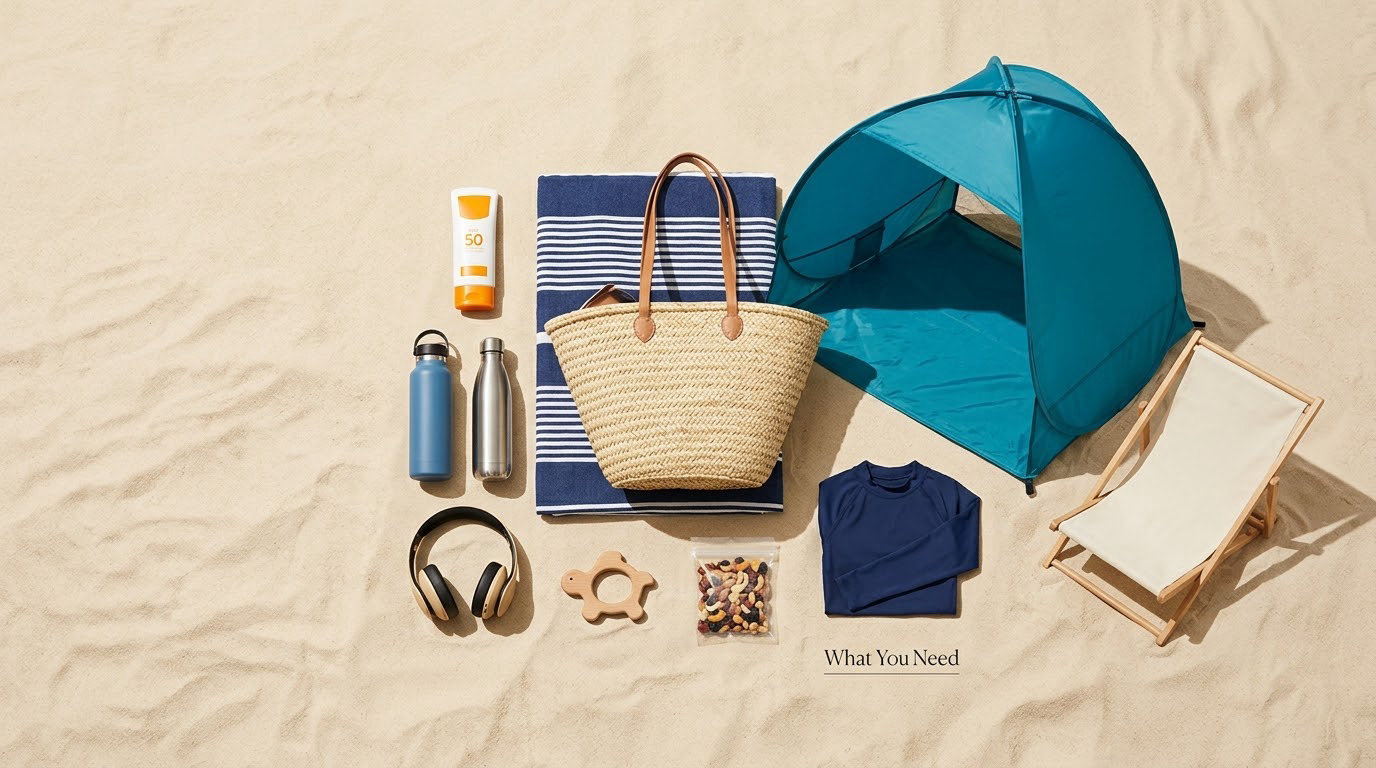
Everything below is something you decide before the car door opens, because decisions made at the sand are made under stress.
- A sensory profile. One page, in your phone, listing your child’s triggers and their early warning signs. Write it during a good week, not a bad one.
- Tide, UV index, and wind forecast. A low tide gives you a wide flat stretch to walk. A high UV index with no shade pushes the visit later in the day. Gusty wind is the trigger most articles skip, and it is the one that drives sand into eyes.
- Sun protection. Broad-spectrum sunscreen applied at home, a wide-brim hat, sunglasses, and a rash guard or UV swim top. Applying sunscreen at the beach is a fight nobody needs.
- Water and food. Fresh water for drinking and for rinsing sand off hands and feet before the car. Familiar snacks in resealable containers, plus one backup meal for the ride home.
- Sensory supports. Noise-reducing headphones, a small comfort item, a weighted lap pad or sand bag for deep pressure, and one or two familiar toys that are yours, not the beach’s.
- Shelter and sand management. A pop-up tent, umbrella, or cabana for shade, a blanket to make a sand-free zone, water shoes if your child will tolerate them, and a spray bottle or a bag of baby powder for sand removal.
- Identification and safety supplies. A current photo on your phone, an ID bracelet with a contact number, a Coast Guard approved life jacket if your child will be near or in water, and a charged phone.
- Transport and a backup plan. A route with one rest stop built in, and an indoor alternative you have already named out loud to your child before leaving.
Step-by-Step: How to Plan a Beach Day With a Sensory Sensitive Kid
1. Identify your child’s sensory triggers
Beach triggers are predictable enough to plan around once you name them. Most children have a short list that runs hot every single time.
Sound is usually first: beach music, umbrellas snapping in wind, passing conversation, a dog barking two hundred feet away. Heat and glare come next, especially the bright light bouncing off water, which causes headaches in kids who will not say they have a headache. Sand is the big tactile one, described by parents as sticky, gritty, and getting into every crevice. Cold water and salt sting can register as pain. Wind whipping sand across skin is its own category and gets missed more than any other.
Then there are the non-sensory loaders: unfamiliar people, no predictable bathroom, wet clothing, the car ride home. Note the early signs too. For my kid it was going quiet and pulling at his sleeve; for friends it was the sudden insistence that everything is wrong. Write yours down while you are calm.
2. Choose a beach that works for your sensory sensitive kid
Pick the beach by its infrastructure, not its photo. You want an accessible entrance you can drive close to, parking you do not have to cross a hot asphalt lot from, restrooms within a short walk, and shade that a tent can pitch next to.
Weekday mornings beat weekend afternoons by a wide margin. If you have a choice between a state beach with open shoreline and a boardwalk beach with music and arcade noise, take the open one. Once you arrive, walk past the main stretch and find the quieter edge before you set up. It takes five extra minutes and usually buys you a calmer two hours.
Check whether lifeguards are on duty and note where the flags and towers are, because you will want to point at them during the day.
3. Pick the right time and build a short schedule
Time the visit around cooler temperatures, low crowds, naps, meals, and any medication schedule, and treat that schedule as a flexible outline rather than a schedule you enforce.
Early morning usually wins. Air and sand are cooler, crowds are thin, and the light is soft instead of glaring. If mornings do not work for your family, late afternoon gets you lower heat but also a windier walk back from the water, which a lot of sensory sensitive kids find harder.
Give the visit a shape: arrive, settle, play, break, play, leave. Write down a finish time and treat it as a real commitment rather than a suggestion. A three-hour visit that ends while everyone is still regulated is a success, not a failed beach trip.
4. Prepare your child with a preview
Uncertainty does more damage than sand. Preview the visit the night before with a social story or a simple visual schedule.
A short one works better than a long one. Five frames: the car, the parking lot, the tent, the water, the car again. Use real photos of the actual beach if you have them, and name the hard parts honestly. A story that says we will go in the water and we will leave when the timer rings is worth more than one that promises a perfect day.
Add a first-then board for the transitions that usually go sideways, and rehearse the departure scene specifically. Parents on r/autism recommend a trial run at home: beach clothes, sunscreen applied on the floor, a towel for sand, the closest thing to a beach your house can imitate. Doing it once calmly on a Tuesday makes Saturday less of a surprise.
5. Pack sensory supports and basic comforts
Pack less than you think and pack it in categories so you can find things without digging. Shelters and shade: tent, umbrella, blanket, stakes. Sun: sunscreen, hat, sunglasses, rash guard. Sand: water shoes, spray bottle, baby powder, change of clothes. Sensory: headphones, comfort item, lap pad, two familiar toys. Safety: life jacket, ID bracelet, first aid basics, current photo on your phone. Food: water, snacks, a cooler, a trash bag for wet towels.
The sand-free blanket is the single most useful item in the bag. It gives your child a place to sit that is not beach, which is often where the recovery happens.
6. Arrive slowly and start in a low-demand spot
Park close to an accessible entrance. Do not rush to claim a good spot. Walk to your location slowly and let your child look at everything on the way without narrating it.
First stop, restroom. Then set up the tent or umbrella and stay inside it for ten minutes. Let them watch the water from the shade. Most days, children who start under cover come to the shoreline on their own, and children who are dragged there do not.
7. Use a flexible beach rhythm
Alternate activity and quiet rather than running one long activity. Twenty minutes of water play, then a shaded break with a snack, then a bucket and shovel session, then another break. The break is not wasted time; it is what makes the next activity possible.
Keep a clear cue for the end. A visual timer set before play starts works well because it moves from their choice to a fact. Say it out loud once, calmly, rather than announcing it three times.
8. Check in often and leave early when needed
Watch for fatigue, escalating distress, overheating, pain, or shutdown. Those signals usually show up an hour or more before a meltdown, so the useful window is the quiet stretch before the storm, not during it.
When the signs show, switch to the backup: blanket, headphones, snack, lap pad, no questions. If it is not settling within ten minutes, go. Leaving early is a plan working, not a plan failing.
Common Mistakes
Overpacking. Ten loose bags are harder to manage than one organized one, and more to think about. Use one beach bag with categories and let non-sensitive siblings carry something specific so they feel useful.
Scheduling every minute. A rigid itinerary turns a sensory day into a series of transitions, and transitions are usually what breaks. Build in slack and keep the finish time, drop the rest.
Arriving at peak hours. Weekend midday puts you in the loudest, brightest, most crowded version of the beach. Shift two hours earlier or later and the same beach behaves differently.
Waiting to hydrate. Dehydration shows up as irritability long before it shows up as thirst. Offer water on a schedule, not on request.
Forcing water entry. A child who does not want to get in the water has given you useful information, not a problem to solve. Standing at the edge with a cup and a shovel satisfies nearly as many kids, and it keeps the day calm.
Staying past the limit. The hardest hour is the last one. When the day has already gone sideways, riding it out in public is the part most families regret.
Skipping the preview. Skipping the story, the rehearsal, or the first-then board because you are tired is how a rough morning becomes a rough afternoon.
And one more: punishing the beach. If the day goes badly, do not take the beach away as a lesson. The beach is the reward. Give back the routine, not the place.
Frequently Asked Questions
How can I tell if my child is becoming overwhelmed at the beach?
Watch for changes in voice, movement, and demand rather than waiting for a meltdown. Common early signs include going quiet, pulling at clothing or sleeves, repetitive questions, flinching at sound, seeking out a grown-up, or suddenly refusing food and water. Because signs often appear an hour before a full meltdown, the calm stretch is your cue to move to the blanket, add headphones, and lower the activity level before you need to leave.
Should I plan the beach day around my child’s nap and medication schedule?
Yes. Build the visit around the nap, meals, and any medication timing, because a missed nap turns every sensory input up by a noticeable amount. Plan the arrival for after a typical nap rather than cutting the nap short, and pack the next dose so a delay at the beach does not derail it. For anything time-sensitive, check with your child’s pediatrician about heat and medication before the trip.
What sensory items are most useful to bring to the beach?
Noise-reducing headphones, a familiar comfort item, a weighted lap pad or sand bag for deep pressure, and sunglasses are the items parents report relying on most. A sand-free blanket, a spray bottle or baby powder for sand removal, and a full-coverage rash guard help with the tactile load more than most families expect. Keep the list short; a heavy beach bag is its own problem.
How do I help a child who does not want to enter the water?
Let the shoreline be the goal instead of the water. Sit at the edge with a bucket, a shovel, a cup, or a small net and let them get wet on their own terms without asking them to commit to swimming. Watching other children from a low, contained position is often enough, and some kids warm up over several visits. Forcing entry ends the visit and teaches them that water is something to escape.
Is it better to visit the beach early in the morning or late afternoon?
Early morning usually works better. Air and sand temperatures are lower, crowds are thinner, the light is softer, and there is usually more room between families. Late afternoon cuts the heat but often brings stronger wind on the walk back from the water, which many sensory sensitive kids find harder than bright sun. Avoid the middle of the day and weekend afternoons whenever your schedule allows it.
How can I handle a beach outing when my child has a special diet?
Bring familiar food and treat the beach as an unpredictable environment for eating. Pack approved items in sealed containers with an ice pack, keep one safe snack within reach at all times, and check ingredient labels on anything you buy there because beach food is often high in salt, sugar, and allergens. Many children eat noticeably less away from home, so plan a normal meal immediately after you get back rather than relying on the outing for nutrition.
Start With One Successful Hour
If you do one thing from this guide, write the sensory profile and pick the beach before anything else. Pick the location, check the tide and UV index, and decide your finish time. Everything else on the list is adjustable, and those three decisions set the ceiling for how the day can go.
Then go early, stay near a tent, keep the visit short, and leave while it is still good. Repetition is what builds tolerance. A calm, safe, manageable visit is a win, and the next one gets a little easier.