Gluten free pancakes from scratch need only four real ingredients to work: a gluten-free flour blend, a leavening agent, eggs and milk. Add a binder such as xanthan gum and you get a stack that is tender in the middle, holds together when you flip it, and cooks in about 20 minutes from start to finish.
I make these roughly twice a week in our house, which is a lot of pancakes for a family that has to avoid gluten entirely. Most of the time the first batch goes fine. The batches that disappoint me are the ones I rushed, and the reason is almost always the same: the batter needed ten minutes to sit before it hit the pan.
This guide covers the full from-scratch method, a comparison of the five gluten-free flours you are most likely to have on hand, the binder quantities nobody prints on the bag, and a troubleshooting section for the gummy middle that drives celiac home cooks back to boxed mix. I re-check the ratios and the flour notes every 2026, and the storage times are the ones I actually use for a week of school lunchboxes.
Table of Contents
- What You Need
- Base ingredients for eight pancakes
- Equipment
- Optional add-ins and binders
- Which gluten-free flour to use
- Step-by-Step
- How to Make the Batter
- How to Make Gluten Free Pancakes Fluffy Instead of Flat or Gummy
- How to Cook and Serve the Pancakes
- How to make them without eggs or dairy
- Common Mistakes That Ruin Gluten Free Pancakes (and the Fixes)
- 1. Flat, sad pancakes
- 2. Gummy in the middle but crisp at the edges
- 3. Rubbery, chewy pancakes
- 4. Pancakes that tear when flipped
- 5. Pale pancakes with grey edges
- 6. Batter that spreads like crepe
- 7. Gritty, horsey oat flavour
- Frequently Asked Questions
- What is the best gluten-free flour to use for pancakes?
- Do I really need xanthan gum in gluten free pancakes?
- Why are my gluten free pancakes gummy in the middle?
- How do I make gluten free pancakes without eggs or dairy?
- Can I use a natural sweetener instead of white sugar?
- How do I store, freeze and reheat cooked gluten free pancakes?
- Conclusion
What You Need
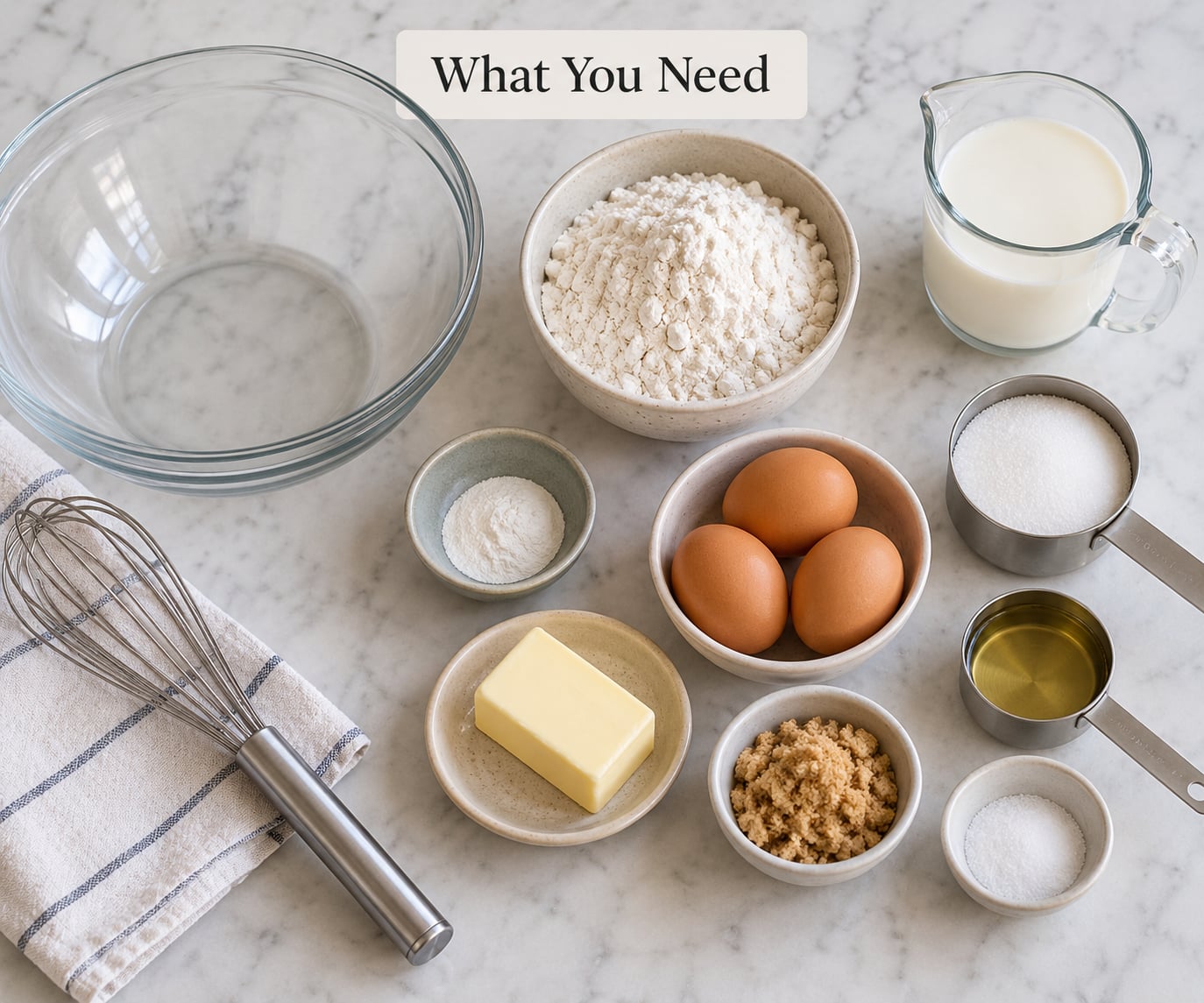
The base recipe below makes eight medium pancakes. Everything is measured in US cups with metric amounts in brackets, and every quantity is a starting point you adjust after you learn what your preferred blend wants.
Base ingredients for eight pancakes
- 1 cup (120 g) gluten-free 1-to-1 flour blend
- 2 teaspoons baking powder
- 1/4 teaspoon (1 g) xanthan gum, unless your blend already contains it
- 1/2 teaspoon fine sea salt
- 2 tablespoons light brown sugar or maple syrup
- 2 large eggs
- 1 1/4 cups (300 ml) milk of choice
- 2 tablespoons melted butter or neutral oil, plus more for the pan
That is the whole list. Vanilla, cinnamon or lemon zest are welcome additions, but they are not what makes the pancake.
Equipment
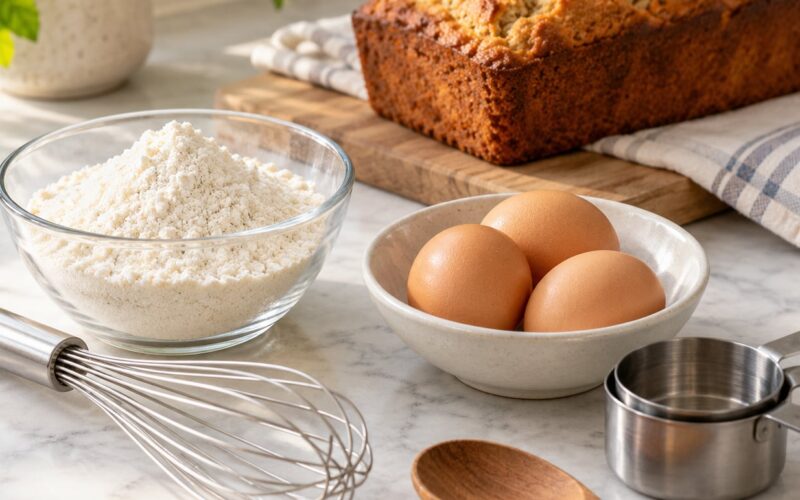
You need one large bowl, a whisk, a 1/4 teaspoon measuring spoon (a pinch of xanthan is nearly impossible to eyeball) and a non-stick skillet or griddle about 10 inch (25 cm) across. A kitchen scale helps more than people expect, and I would buy one before I bought a fancy pancake ring.
Optional add-ins and binders
Mashed banana, blueberries, chocolate chips, grated apple and cinnamon all fold in after the wet ingredients meet the dry ones. For structure, these are the quantities that work per cup (120 g) of flour.
| Binder | Amount per cup of flour | What it does |
|---|---|---|
| Xanthan gum | 1/4 teaspoon (1 g) | Adds elasticity and holds air; too much makes pancakes rubbery |
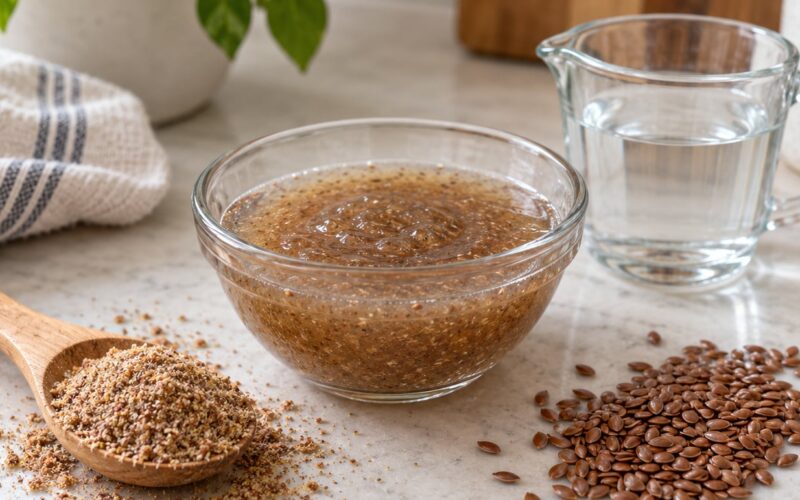
| Ground flaxseed plus water | 1 tablespoon flax plus 3 tablespoons water, rested 10 minutes | Works as an egg replacer, adds binding but not stretch |
| Ground psyllium husk | 1 teaspoon | Mild, works well in oat-heavy batters |
| Whole egg | 1 large egg, beaten | Binds and leavens at the same time, so drop the gum to 1/8 teaspoon |
| Egg replacer | One packet for the 2 eggs in this recipe, plus 1/8 teaspoon gum | Egg-free route, slightly less lift than a real egg |
Check the ingredient list on your flour blend before adding gum. Forum consensus in gluten-free communities is consistent on this one: a double dose of xanthan is the fastest route to a pancake that chews like a rubber band.
Which gluten-free flour to use
For most people, a cup-for-cup blend is the least fussy starting point. Oat flour gives the best flavour and the most fibre, while rice flour is the neutral one that lets banana and chocolate do the talking. Coconut flour is the outlier and needs a completely different ratio.
| Flour | Taste and texture | Protein per cup (approx.) | Best for |
|---|---|---|---|
| 1-to-1 gluten-free blend | Neutral, tender, holds together well | 3 to 4 g | Your first batch, and weeknight mornings |
| Oat flour | Sweet, slightly grainy, browning edges fast | 5 g | Blender batters, banana and apple pancakes |
| Rice flour | Very neutral, lightest crumb | 4 g | Nut-free households, pairing with fruit |
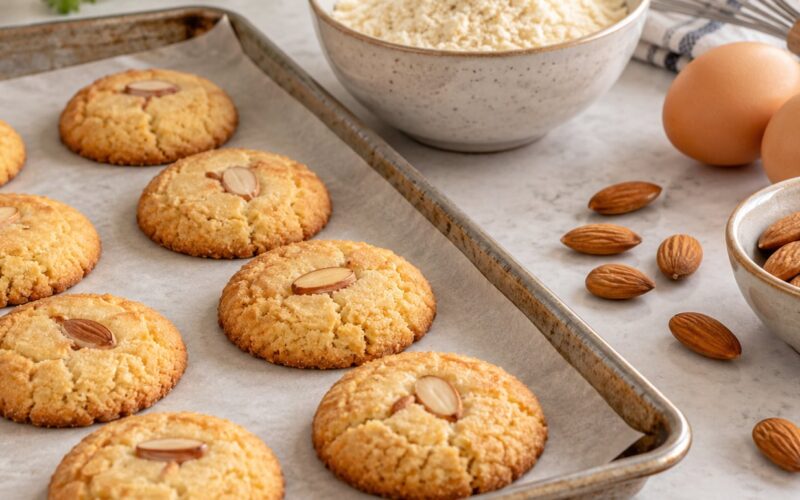
| Almond flour | Rich and nutty, moist, browns quickly | 6 g | Almond and lemon combinations |
| Coconut flour | Very absorbent, dense unless handled carefully | 3 g | Grain-free days, paired with plenty of egg |
Coconut flour is not a 1-to-1 swap. It drinks roughly two to three times its weight in liquid, so if you use it, drop to about 3/4 cup (90 g) for this recipe and raise the milk to 2 cups (480 ml) plus an extra egg. If you want to skip buying a bag, you can grind certified gluten-free rolled oats in a blender for about 30 seconds to make your own oat flour.
For anyone with celiac disease, buy flour labelled certified gluten-free from a facility that handles wheat. A shared milling plant matters, and it is a reasonable thing to check once a year when the packaging changes. I wrote more about that in how to read a label for hidden gluten.
Step-by-Step
How to Make the Batter
Whisk the dry ingredients first, then the wet, and keep them separate until the last moment. Gluten-free batter has no kneading step, so there is no reason to mix it hard or long.
- Whisk the dry bowl. Combine the flour blend, baking powder, xanthan gum (if needed) and salt. Whisk for about 20 seconds so the gum is evenly scattered. If you are weighing, this is the moment the scale pays for itself.
- Beat the eggs first. Whisk the two eggs until foamy, about 30 seconds, then whisk in the milk and melted butter. Beating the eggs separately is what gives you lift, and it is the step most skipped.
- Pour wet into dry and stir until just combined. Use a spatula and stop as soon as the last streak of flour disappears. Lumps are fine. Overmixing is what turns a pancake into a dense rubber disc.
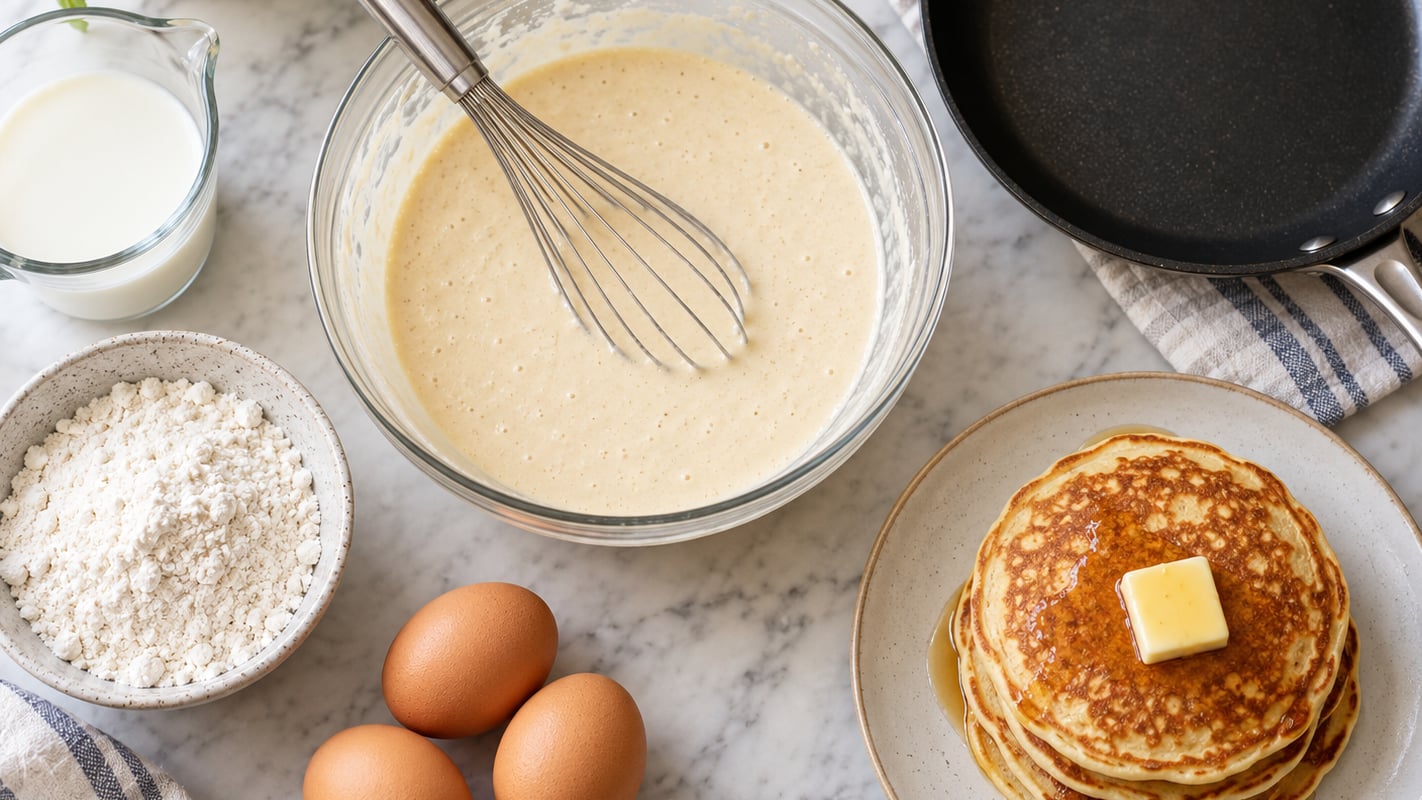
- Check the thickness. The batter should fall off the spatula in a slow ribbon and hold a soft peak for a second. Thinner than pancake batter and you get crepes; much thicker and you get frisbee-shaped pancakes.
- Rest the batter for 10 minutes. Cover the bowl and leave it on the counter. This is the single highest-impact step in the whole recipe and the one people most often skip.
During the rest, the starch in the flour drinks up water and hydrates fully, and the gum finishes swelling. Under-hydrated starch is the reason a pancake is gummy in the middle, no matter how long you cook it. Ten minutes solves more problems than any other change I have made.
How to Make Gluten Free Pancakes Fluffy Instead of Flat or Gummy
Fluffy gluten free pancakes come from rest time, gentle mixing, fresh leavening and a covered plate. Four things, and the first one does most of the work.
- Rest the batter 10 minutes. Longer than you think is necessary, and skippable if you are in a hurry but you will taste the difference.
- Stop mixing early. There is no gluten to develop, so a smooth batter is a batter you overworked.
- Use baking powder fresh and in the dry bowl. Baking soda only works with an acid in the batter, which this recipe does not have. Double-acting baking powder works on its own.
- Keep cooked pancakes covered. A loose foil tent traps steam and stops the edges drying out while the stack waits. Ten minutes under foil, then serve.
Two medium eggs plus 1 cup of gluten-free self-raising flour, with the eggs beaten and the mix left to stand for 10 minutes, is the version that works most reliably for a first attempt. It is also the one I hand to friends who are cooking gluten free for the first time.
How to Cook and Serve the Pancakes
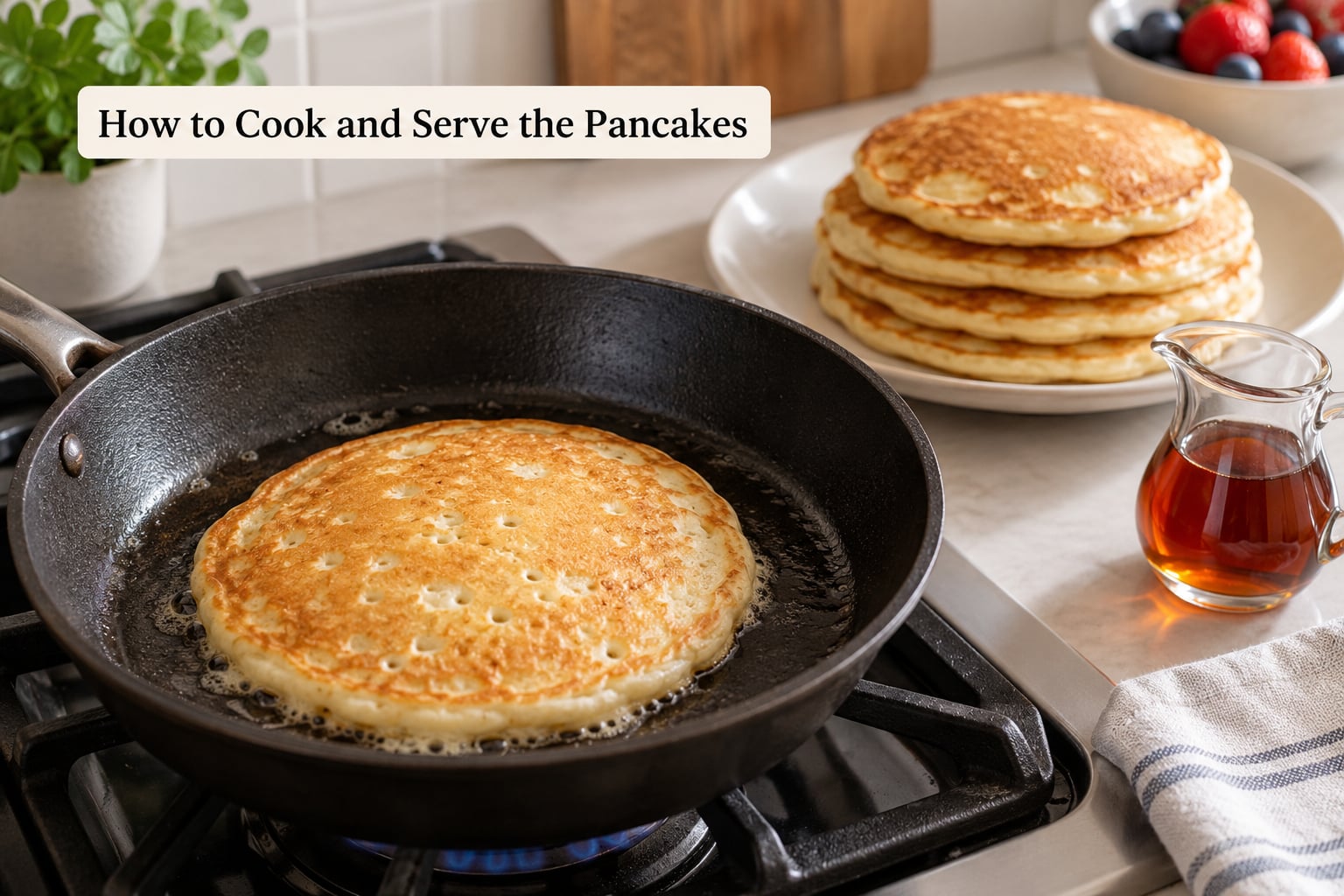
Heat the pan to medium, not medium-high. Gluten-free batter browns faster than wheat batter because there is less protein competing for the surface, and high heat is how you get a dark outside over a raw middle.
- Heat the pan. Set it over medium heat and add a small knob of butter or coconut oil. If the butter foams and browns immediately, the pan is too hot. Wipe and wait 30 seconds.
- Portion with a 1/4 cup measure. Level, not heaped. Gluten-free batter spreads a little more than wheat batter, so a consistent measure is what keeps every pancake the same size.
- Watch for bubbles, not colour. Wait until bubbles open on the surface and stay open, and the edges look set and dry. That takes about 2 to 3 minutes.
- Flip once. Run a thin spatula or wire offset under the edge, lift gently and turn in one motion. A second flip tears it.
- Cook the second side for 1 to 2 minutes. Golden brown means done. If it is pale on the second side, it needs another 30 seconds, not more oil.
- Batch it and tent it. Cook in a single layer, sliding finished pancakes onto a plate under foil. A crowded pan drops the temperature and gives you grey, flat pancakes.
Once cooled, refrigerate the pancakes in an airtight container for up to 4 days. Freeze them in a single layer on a tray first, then stack in a bag for up to 2 months. Reheat straight from frozen in a dry skillet over medium heat for about 2 minutes a side; the microwave makes them soft and the pan keeps the edges from going damp.
For toppings that a picky eater will actually accept, start plain and add on the side. A thin drizzle of maple syrup, a small spoon of nut butter, or fresh berries cut into quarters so there is no whole-fruit texture surprise all tend to land better than a loaded plate. Texture is often the dealbreaker, not flavour.
How to make them without eggs or dairy
Swap the two eggs for one egg replacer packet or the flax and water mix above, and use unsweetened plant milk in place of the dairy milk. Plant milk is lower in protein, so add 1/8 teaspoon extra baking powder to compensate. Keep the gum at 1/4 teaspoon, because the egg was doing some of the binding.
If you are going egg-free and dairy-free at once, add an extra 1/8 teaspoon of gum and expect a slightly more fragile pancake. More pressing is the fix: let the first side cook an extra 30 seconds so it holds its shape on the spatula. I have a full rundown of egg swaps in how to replace eggs in baking.
Common Mistakes That Ruin Gluten Free Pancakes (and the Fixes)
Almost every disappointing gluten-free pancake comes down to hydration, heat or binder. Here are the seven failures I get asked about most, each with the correction that actually fixes it.
1. Flat, sad pancakes
The most common complaint by a distance. The causes are thin batter, weak or expired baking powder, or a pan that is too cool. Add a tablespoon or two of milk to loosen the batter, check the baking powder date by dropping a teaspoon into hot water (it should fizz hard), and raise the heat one notch.
2. Gummy in the middle but crisp at the edges
This is the under-hydrated starch problem. The edges dry out fast while the centre is still setting. Rest the batter 10 minutes, and if it keeps happening, add an extra tablespoon of milk and give the second side 30 more seconds. Also flip only once, since a torn first flip traps steam under the surface.
3. Rubbery, chewy pancakes
Too much xanthan. Halve the amount and check whether your 1-to-1 blend already includes gum, because most of them do. There is no way to fix over-gummed batter in the pan; start again with less.
4. Pancakes that tear when flipped
You flipped too early or the batter was too loose. Wait for bubbles that stay open, and if the batter runs off the spatula rather than ribboning, add a tablespoon of flour. A thin layer of oil on the spatula helps more than a thicker pan.
5. Pale pancakes with grey edges
The pan is too cool or too crowded. Medium heat, one layer at a time. Gluten-free batter browns faster than wheat once the starches cook, so once you see colour you can lower the heat a little for the rest of the batch.
6. Batter that spreads like crepe
You are scooping rather than measuring, or the batter is too thin for the flour. Weigh the flour, level the measuring cup, and rest the batter. A rested gluten-free batter thickens visibly, which surprises people the first time they see it.
7. Gritty, horsey oat flavour
Blended oat flour needs longer to hydrate and can taste grassy if it sits open. Rest the batter a full 15 minutes and use certified gluten-free rolled oats ground fine. If it still bothers you, blend half oat flour with half rice flour.
One more thing worth knowing: thin batter still in the bowl is not a failure. Add an egg, a splash of water and a couple of tablespoons of oil, then cook it in a waffle iron instead. That is a genuine rescue, not a compromise.
Frequently Asked Questions
What is the best gluten-free flour to use for pancakes?
A cup-for-cup gluten-free flour blend is the easiest choice for most people, because it is already balanced with starches and a binder. Oat flour gives the best flavour and fibre, rice flour is the neutral option for nut-free kitchens, and almond flour makes a rich, moist pancake. Coconut flour is not a 1-to-1 swap: it absorbs far more liquid, so cut it to about 3/4 cup and add extra milk and egg.
Do I really need xanthan gum in gluten free pancakes?
Usually not if eggs are in the batter, and almost never if your flour is a 1-to-1 blend, since those already contain gum. Check the ingredient list first. If you need to add it, use 1/4 teaspoon per cup of flour, and drop to 1/8 teaspoon when eggs are doing the binding. Too much gum is the reason pancakes come out rubbery and is the most common binder mistake.
Why are my gluten free pancakes gummy in the middle?
The centre is gummy because the starch in the flour has not fully absorbed the liquid, so it sets into a paste before the heat reaches it. Rest the batter for 10 minutes before cooking, do not overmix, and flip only once so you do not trap steam underneath. If it persists, loosen the batter with an extra tablespoon of milk and add 30 seconds to the second side.
How do I make gluten free pancakes without eggs or dairy?
Use one egg replacer packet, or 1 tablespoon of ground flaxseed mixed with 3 tablespoons of water and rested for 10 minutes, in place of the two eggs. Swap in unsweetened plant milk and plant butter or neutral oil. Because the egg was also adding lift and structure, add 1/8 teaspoon extra xanthan gum and 1/8 teaspoon extra baking powder, and press the spatula down firmly when flipping.
Can I use a natural sweetener instead of white sugar?
Yes. Maple syrup, honey (if that suits your household), coconut sugar or a quarter cup of mashed banana all work in this recipe. Keep the total liquid roughly where it was, since melted coconut sugar adds moisture while maple syrup adds a little less. For a lower-sugar version for a picky eater, cut the sweetener to 1 tablespoon and serve the syrup on the side rather than mixing it in.
How do I store, freeze and reheat cooked gluten free pancakes?
Cool them completely first, then refrigerate the pancakes in an airtight container for up to 4 days. For freezing, lay the pancakes in a single layer on a tray, freeze until solid, then stack them in a bag for up to 2 months. Reheat from frozen in a dry skillet over medium heat for about 2 minutes a side. A microwave works, but the pancakes come out soft and a little damp.
Conclusion
My own failures with gluten free pancakes have almost all been patience problems, and the same is likely true for you. If you change one thing after reading this, make it the 10-minute rest: cover the bowl, walk away, come back. Everything else, the gum, the baking powder, the pan temperature, is a smaller lever than that.
Once that base recipe behaves, change one variable at a time. Half oat flour and half rice flour for a different texture, a mashed banana for a sweeter batter, or a cup-for-cup swap for a dedicated non-toasted oat flour. If pancakes ever turn out dry rather than tender, the same baking logic applies as it does for gluten free bread that is not dry: more fat and more resting time, less flour weight per serving.