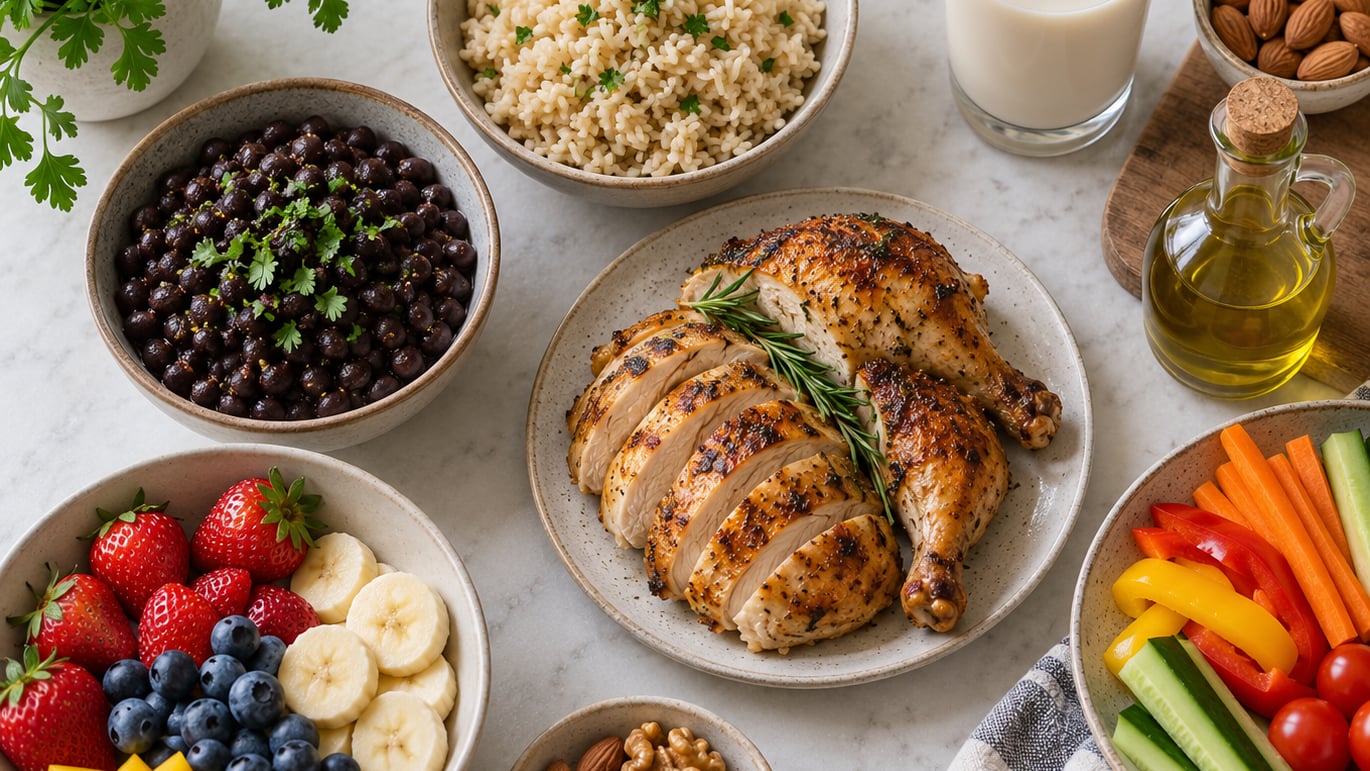
A dairy free diet still leaves you with a huge menu. You can eat fruit, vegetables, meat, fish, eggs, nuts, seeds, beans, lentils, whole grains and every kind of oil, plus fortified plant milks, coconut yogurt and nut-based cheese — the only thing you leave out is anything made from animal milk.
Last updated: October 2026. This guide is general information, not medical advice. Guidance from the NHS, the CDC and the American Academy of Pediatrics is the reference point here, and anything involving a diagnosed allergy should follow your own clinician’s plan.
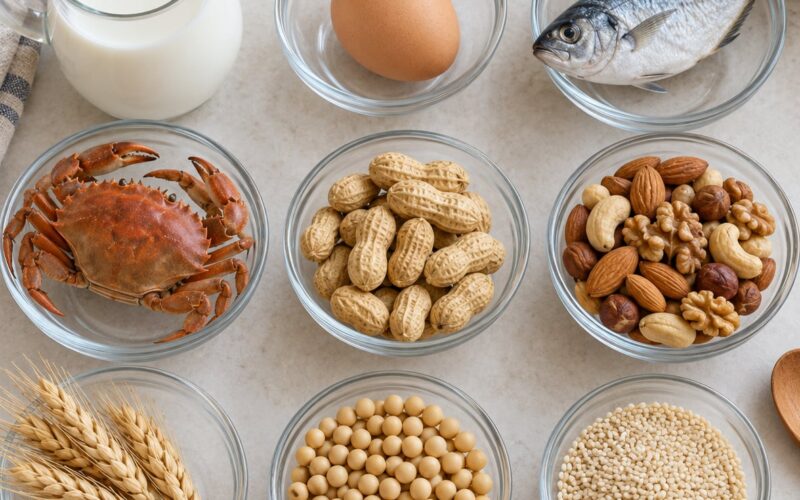
Before you trim a single ingredient, it helps to know why you’re doing it. People land on dairy free for four very different reasons, and the rules are not interchangeable: a cow’s milk protein allergy, lactose intolerance, a vegan or preference-based diet, or an elimination diet a clinician set for a child. A true milk allergy means avoiding the proteins casein and whey completely. Lactose intolerance is about the sugar lactose, and many people tolerate small amounts of hard cheese or butter.
The rest of this guide covers the foods themselves, the milk and yogurt and cheese swaps, how to read a label, and how to build meals for kids.
Table of Contents
- What You Can Eat on a Dairy Free Diet
- Everyday foods you can eat on a dairy free diet without checking the label
- Which Foods Are Naturally Dairy Free?
- Fruits and vegetables
- Proteins, including eggs
- Grains and legumes
- Nuts, seeds and fats
- How to Choose Dairy Free Milk Substitutes
- What Can You Eat Instead of Yogurt and Cheese?
- How Do You Read Labels for Dairy Ingredients?
- Can You Eat Dairy Free Bread, Pasta, and Breakfast Foods?
- What Foods Should You Limit or Avoid on a Dairy Free Diet?
- Allergy and intolerance are not the same rule
- How Do You Build a Dairy Free Meal for Kids?
- Frequently Asked Questions
- Is fruit dairy free?
- Are eggs and meat allowed on a dairy free diet?
- How can children get calcium without milk?
- Is butter dairy free if it does not contain milk?
- Are almond, oat, and soy milks nutritionally the same?
- When should someone talk with a doctor or dietitian about dairy avoidance?
- Where to Start
What You Can Eat on a Dairy Free Diet
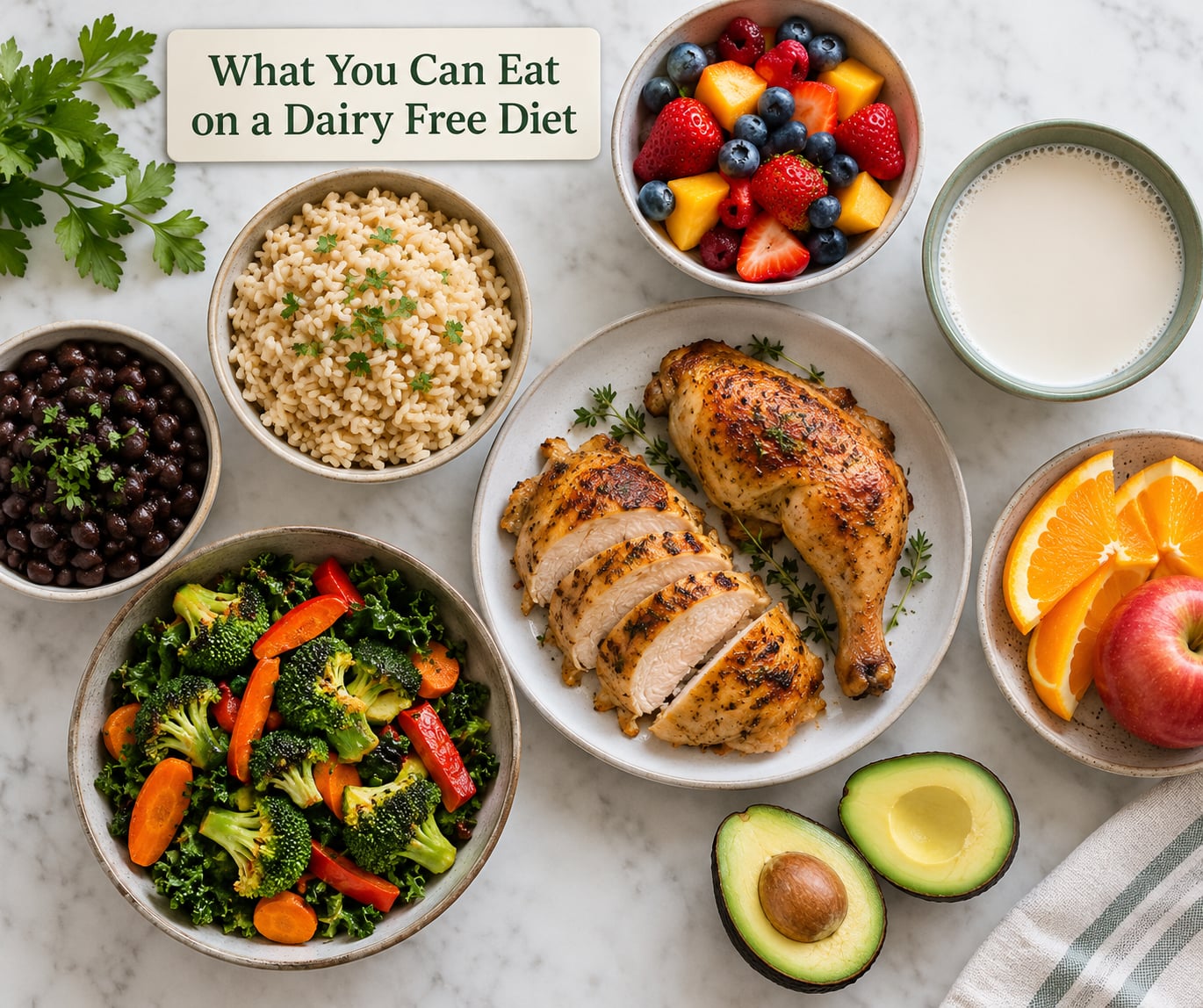
The short version: almost every unprocessed food is naturally dairy free. Fruits, vegetables, plain meats, fish, poultry, eggs, nuts and seeds, legumes and whole grains all start life with no milk in them at all, and plant-based milks, yogurts and cheeses fill the gaps dairy used to cover.
Everyday foods you can eat on a dairy free diet without checking the label
- Proteins: chicken, turkey, beef, pork, lamb, fish, shrimp, sardines, salmon, eggs
- Produce: every fruit and vegetable, fresh or frozen
- Grains and legumes: rice, oats, quinoa, barley, corn tortillas, potatoes, beans, lentils, chickpeas
- Fats: olive oil, avocado oil, coconut oil, sesame oil, nut and seed butters, tahini
- Flavor builders: nutritional yeast, vinegar, lemon, herbs, spices, tamari
- Dairy alternatives: soy, oat, almond, pea and coconut drinks; coconut, soy and almond yogurt; nut-based cheese
Most of the work is substitution rather than restriction. Here’s the swap table I keep coming back to.
| Dairy you would use | Ingredients to check for | Dairy free swap |
|---|---|---|
| Milk in a glass or cereal | Whey protein, caseinate, milk solids, lactose-free is still dairy | Unsweetened fortified soy or oat drink |
| Yogurt or frozen yogurt | Milk protein, cream, milk solids | Plain coconut or soy yogurt blended with berries |
| Cheese on pizza or tacos | Casein, whey, rennet | Nut-based or soy-based shreds, or crumbled tofu |
| Butter for cooking or baking | Some margarines contain whey or casein and fail for high heat | Olive oil for cooking, coconut oil for baking |
| Cream or half-and-half in sauce | Cream, milk fat, buttermilk | Cashew cream or full-fat coconut milk |
| Cheese on a sandwich or toast | Milk, whey, butter, cheese culture | Avocado, hummus, nut butter or pickled vegetables |
Which Foods Are Naturally Dairy Free?
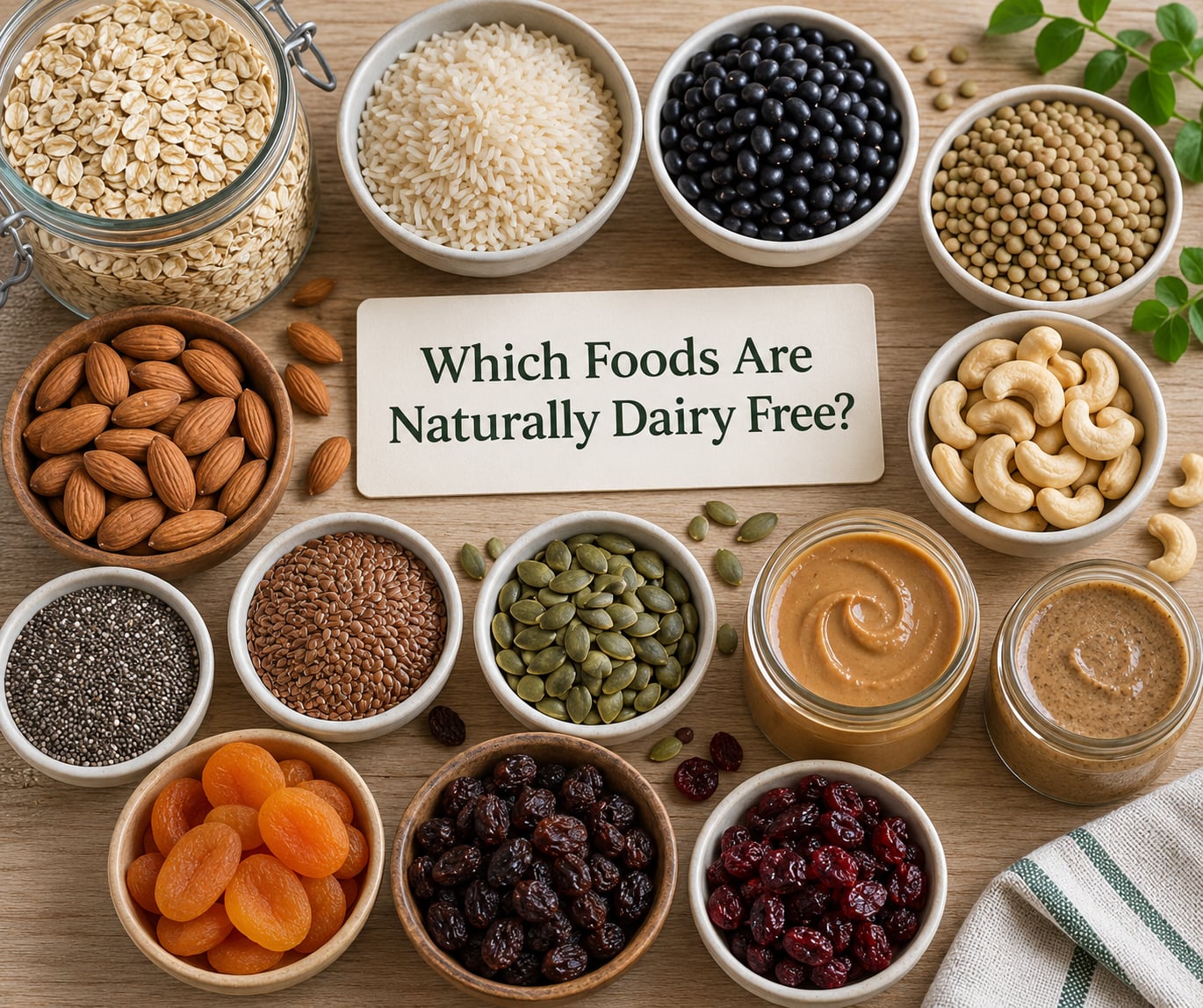
Whole foods are the easy part of this diet because nothing gets added and nothing gets hidden. When you buy a banana or a bag of lentils, there is no ingredient list to decode and no cross-contact risk from a processing line.
Fruits and vegetables
All of them, and that’s not a throwaway line — most fruit and veg gives you potassium, vitamin C and fiber with zero dairy attached. Spinach, kale, bok choy and broccoli also carry calcium, though leafy greens vary a lot depending on how they’re cooked.
Proteins, including eggs
Eggs are dairy free and always have been. Chickens lay eggs, they don’t produce milk, so an egg fits on a dairy free diet without debate. Fish is worth leaning on for calcium too, particularly canned sardines and salmon with the bones.
Grains and legumes
Rice, oats, quinoa, millet, corn and potatoes are all fine. Beans and lentils are the workhorse protein on a dairy free plan, cheap and quick, and they pair well with cumin, garlic and tomato.
Nuts, seeds and fats
Almonds, walnuts, cashews, pumpkin seeds, sunflower seeds, chia and flax all work as snacks, toppings and binders. Nut butters, tahini and olive oil round out the fat side of the plate.
A few combinations do most of the work at dinner: rice with black beans and salsa, oats with nut butter and banana, roasted sweet potato with chickpeas, tuna salad with olive oil and lemon instead of mayo, and pasta with tomato-basil sauce.
How to Choose Dairy Free Milk Substitutes
Pick the plant milk by what you’ll do with it rather than by the carton front. Soy is the most nutritionally complete option, oat is the best all-rounder in cereal and coffee, and almond and coconut are thin and low in protein, which matters if they’re your main drink.
| Plant milk | Taste and texture | Protein | Best used for |
|---|---|---|---|
| Soy | Bean-like, smooth | Highest of the plant milks | Everyday drinking, cereal, kids’ cups, the closest swap for cow’s milk in cooking |
| Oat | Mild, creamy, slightly sweet | Moderate, with some added | Cereal, coffee, baking, anything where body matters |
| Pea | Neutral, smooth | High | Baking and anyone avoiding nuts and soy |
| Almond | Thin, nutty, sometimes gritty | Low | Coffee creamer, smoothies, occasional baking |
| Coconut | Rich but watery | Very low | Curd-style yogurt, smoothies, desserts |
| Rice | Very thin, hypoallergenic | Low | Baking, and as a last resort for multiple sensitivities |
Read the nutrition panel, not the marketing. Two cartons can differ mainly in fortification. Look for calcium around 300 mg or more per cup, vitamin D listed, and protein on the panel — and check whether iodine was added, since that’s the nutrient most plant milks leave out and the one most people miss when they drop dairy.
Two honest caveats. Some plant milks carry added sugar, and flavored versions can have as much as a soft drink, so unsweetened is usually the better buy. And some made from almonds, cashews or spinach are high in oxalates, which matters if you have a history of kidney stones.
If a dairy free diet overlaps with baking, I keep a separate cheat sheet going for dairy free substitutes for milk in baking, because cups of milk are much easier to replace than butter is.
What Can You Eat Instead of Yogurt and Cheese?
Coconut, soy and almond yogurt cover breakfast bowls, smoothies and dips, and nut-based or soy-based cheese covers melted toppings. Neither is a one-for-one swap, and pretending otherwise is how people end up disappointed.
- Breakfast yogurt: coconut yogurt plus berries and granola, mixed thinner with a splash of oat milk
- Snack dip: soy yogurt seasoned with garlic, lemon and dill instead of sour cream
- Pizza: dairy-free shreds, or a white base with garlic oil, mushrooms and spinach
- Mac and cheese or pasta: a sauce built from cashew cream, nutritional yeast, white beans or pureed potato
- Sandwiches: hummus, avocado, mashed white beans with mustard, or avocado with tomato
- Cheesy flavor, no cheese: nutritional yeast with salt, added at the end so it keeps its nuttiness
The texture gap is real. Plant yogurt is thinner and tangier than cow’s milk yogurt and doesn’t thicken on its own, so give it time in the fridge or blend it with banana. Plant cheese melts, but it browns slower and stays stretchy rather than oily, so it wants lower heat and less time in the oven.
How Do You Read Labels for Dairy Ingredients?
Milk hides under more names than most people expect, and US labels have to declare it as a major allergen. That means if milk is an ingredient, it appears in the contains statement in parentheses, which is a genuine shortcut.
| Term on the label | What it actually is | Where it tends to hide |
|---|---|---|
| Milk, milk solids, nonfat dry milk | Dried milk powder | Hot cocoa, powdered drink mixes, granola bars, crackers |
| Whey, whey protein, hydrolysed whey | Milk protein from the liquid part | Protein powders, granola bars, sandwich bread, some tortillas |
| Casein, caseinate, sodium caseinate | Milk protein from the curd part | Cheese slices, coffee creamer, processed meats |
| Lactalbumin, lactoglobulin | Milk proteins, sometimes in gluten-free bread | Gluten-free loaves and flour mixes |
| Lactose | The milk sugar | Milk chocolate, processed meats, some bread |
| Butterfat, butter, butter flavor | Milk fat | Baked goods, ice cream, some frostings |
| Curds, custard, buttermilk | Fresh milk products | Custard tarts, ranch and some dressings, biscuits |
| Ghee | Butter with most milk solids removed | Indian cooking — still a milk product |
| Lactose-free | Dairy with the lactose broken down | Milk, yogurt, ice cream — safe for intolerance, not for allergy |
One thing people ask constantly: what about a package that says dairy free but carries a “may contain milk” warning. That line is about cross-contact, meaning the same equipment may have handled milk. For someone with a diagnosed allergy, only your clinician gets to decide whether shared equipment is acceptable, so bring the packaging to the appointment rather than guessing.
Individual tolerances vary, and I am not going to hand you a line between fine and not fine. That’s a conversation to have with an allergist or a registered dietitian.
Can You Eat Dairy Free Bread, Pasta, and Breakfast Foods?
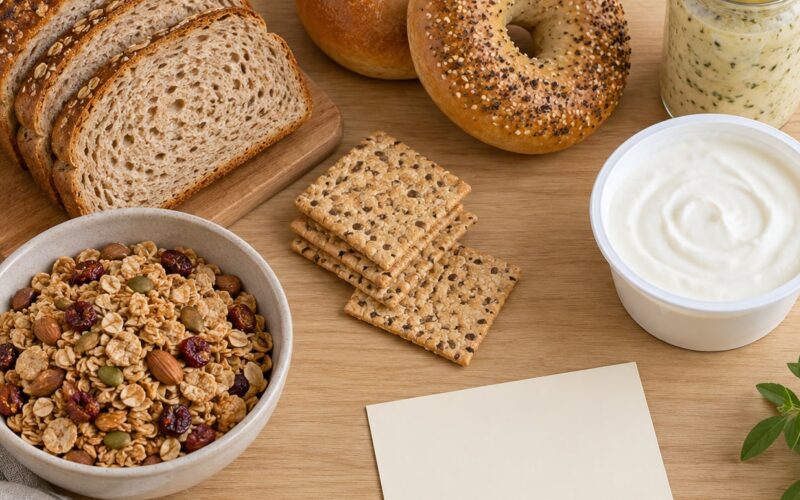
Yes, and a lot of the time it’s already dairy free. Most plain pasta, rice cakes, pretzels and many crackers contain no milk at all. Bread is the usual culprit because enriched dough, butter and milk solids show up often enough to make you check every time.
- Bread: check for milk, whey, butter and butterfat; many sourdough and rustic loaves are dairy free, and many enriched bagels and rolls are not
- Cereal and granola: plain oatmeal and most cereals qualify; granola bars often list whey or milk solids
- Pasta: dried pasta from wheat is usually dairy free; fresh or refrigerated pasta and pesto frequently are not
- Waffles and pancakes: mixes with milk powder or whey need a swap
- Pastries: butter and condensed milk are standard, so these are usually out
For baking, the simple swaps work most of the time: unsweetened soy or oat drink for milk, coconut oil or a dairy-free butter for butter, and applesauce or mashed banana where a recipe uses milk for moisture.
What Foods Should You Limit or Avoid on a Dairy Free Diet?
The obvious ones are milk, cream, cheese, yogurt, butter, ice cream, condensed milk and custard. The frustrating part is everything that used those without saying so.
- Baked goods: cakes, cookies, muffins and most breads with milk or butter
- Deli meat and cold cuts, which frequently use whey or caseinate as a binder
- Ranch, Caesar, creamy salad dressings and some soups
- Milk chocolate, caramel and some hard candies
- Sports drinks and protein powders with whey or caseinate
- Cheese on pizza, in tacos, on burgers and in breakfast sandwiches
Allergy and intolerance are not the same rule
A milk allergy is an immune reaction to casein or whey, so those proteins come out entirely, and “lactose-free” dairy is not a workaround. Lactose intolerance is a lactase shortage, so some people do well with aged hard cheese, butter and heavy cream, which hold very little lactose, and with yogurt containing live cultures. If a food is the only dairy in your diet right now, don’t self-prescribe a tolerance test. Ask your doctor.
How Do You Build a Dairy Free Meal for Kids?
Kids eat what they already recognize, so the easiest dairy free meals are the familiar ones with one swap rather than a whole new cuisine. I build around what the child will reliably eat, then remove the dairy piece.
- Breakfast: fortified cereal with oat or soy milk, banana on the side; or scrambled eggs with toast
- Breakfast, second option: dairy-free yogurt with berries and granola, or a frozen fruit smoothie with coconut yogurt
- Lunchbox: bean tacos, turkey or chicken wraps with avocado, pasta with tomato sauce, apple slices with sunflower seed butter
- Snacks: hummus and crackers, popcorn, pretzels, dried fruit, mixed nuts, fruit skewers
- Dinner: sheet-pan chicken and vegetables, rice with beans, taco night with plant cheese or none, pasta with red sauce
Watch texture, not just ingredients. Some children accept a dairy-free cheese as a shred and reject it as a whole slice, and nut butters that are thin run faster than thick ones. Keeping a few trusted standbys in a drawer matters more than a long list.
If your child is eliminating dairy alongside gluten and casein, the guide to starting a gluten free casein free diet for kids walks through managing several restrictions at once. For packed lunches specifically, dairy free lunchbox ideas for school has the routine down to items that survive a backpack.
When a child is cutting out a whole food group, loop in the pediatrician or a registered dietitian. Elimination diets can quietly grow into nutrient gaps, and that’s the part worth watching even when everything else is going fine.
Frequently Asked Questions
Is fruit dairy free?
Fruit is dairy free, with no exceptions worth worrying about. It comes from plants, so it contains none of the milk sugars, proteins or fats that a dairy free diet removes. Fruit also brings fiber, potassium and vitamin C, which supports digestion and bone health while you build meals without milk. The only place dairy shows up near fruit is in processed items like milk chocolate, so check those specifically.
Are eggs and meat allowed on a dairy free diet?
Yes, both are allowed. Chickens lay eggs but do not produce milk, so eggs have never contained dairy. Meat, poultry and fish are equally fine and are among the most naturally dairy free proteins available. Egg allergy and dairy allergy are separate conditions with separate precautions, so if your child reacts to eggs, that is a different conversation with their clinician.
How can children get calcium without milk?
Children can get calcium from fortified plant milks, canned salmon and sardines eaten with the bones, calcium-set tofu, tahini, almonds, white beans, kale and broccoli. Aim for a fortified soy or oat drink at around 300 mg of calcium per cup so a glass counts as a serving. If a child avoids most of these, ask a pediatrician or registered dietitian before adding a supplement.
Is butter dairy free if it does not contain milk?
No, butter is dairy. It is made from milk fat, and while some styles leave more milk solids behind than others, none of them are dairy free. Ghee has the most milk solids removed but is still a milk product. Olive oil, avocado oil, coconut oil and nut butters are the usual replacements, and some margarines contain whey or casein, so read those labels too.
Are almond, oat, and soy milks nutritionally the same?
Not quite, and the differences are worth knowing. Soy has the most protein and is the closest nutritional stand-in for cow’s milk. Oat is creamier and higher in calories, which helps in cereal and baking. Almond is thin and low in protein unless blended. All three should be checked for calcium and vitamin D fortification, and iodine is rarely added to any of them.
When should someone talk with a doctor or dietitian about dairy avoidance?
Talk with a doctor before starting a dairy free diet if you have a diagnosed milk allergy, a history of reactions to dairy, a pregnancy, ongoing bone concerns, or a child under two who is eliminating dairy. It also makes sense to ask if you notice low calcium on a scan, take regular thyroid medication, or have kidney disease and need to manage oxalates. A registered dietitian can also help you plan meals without overshooting or underfeeding.
Where to Start
Fill your kitchen with the foods that never needed dairy: rice, oats, beans, lentils, eggs, canned fish, frozen vegetables, fruit, nut butters and olive oil. Then replace milk with an unsweetened fortified soy or oat drink, and yogurt with coconut or soy.
After that, read labels once a week for whey, casein, milk solids and butterfat, and let calcium, vitamin D and iodine come from planned sources rather than leftovers. If a diagnosed allergy is behind any of this, take the plan to your clinician and let their guidance set the rules.