How to cook one dinner for different dietary needs comes down to one habit: cook a plain base, a protein, a sauce and the sides separately, then let each person build their own plate at the table. You stop cooking two or three separate dinners, the allergy-safe version never gets contaminated by someone else’s food, and picky eaters get to choose what they eat.
It takes about 40 minutes for a weeknight, most of it hands-off while things roast. The hard part was never the cooking. It was deciding, at 5pm, how to feed a celiac child, a vegan teen and an adult with a shellfish allergy without losing your mind.
Table of Contents
- What You Need
- Step-by-Step: Build One Dinner Around a Flexible Base
- Choose a neutral base everyone can eat
- Map each dietary need to a specific swap
- Keep high-risk ingredients separate
- Cook components once and assemble different plates
- Check food safety from preparation to leftovers
- Common Mistakes and Simple Fixes
- Tips for Making the Dinner Easier Next Time
- Frequently Asked Questions
- What is the easiest way to cook one dinner for a child with allergies?
- How can I prevent cross-contact when cooking for gluten-free and dairy-free diets?
- What foods work well as a base for a meal with several dietary needs?
- How do I handle a child who needs a special diet but does not want separate food?
- Can one dinner meet gluten-free, dairy-free, and vegetarian needs at the same time?
- How should leftovers be stored when different family members ate different ingredients?
What You Need
You need a base that is safe for the widest range of people at your table, plus a plan for what changes at the point of assembly. Everything else is supporting gear.
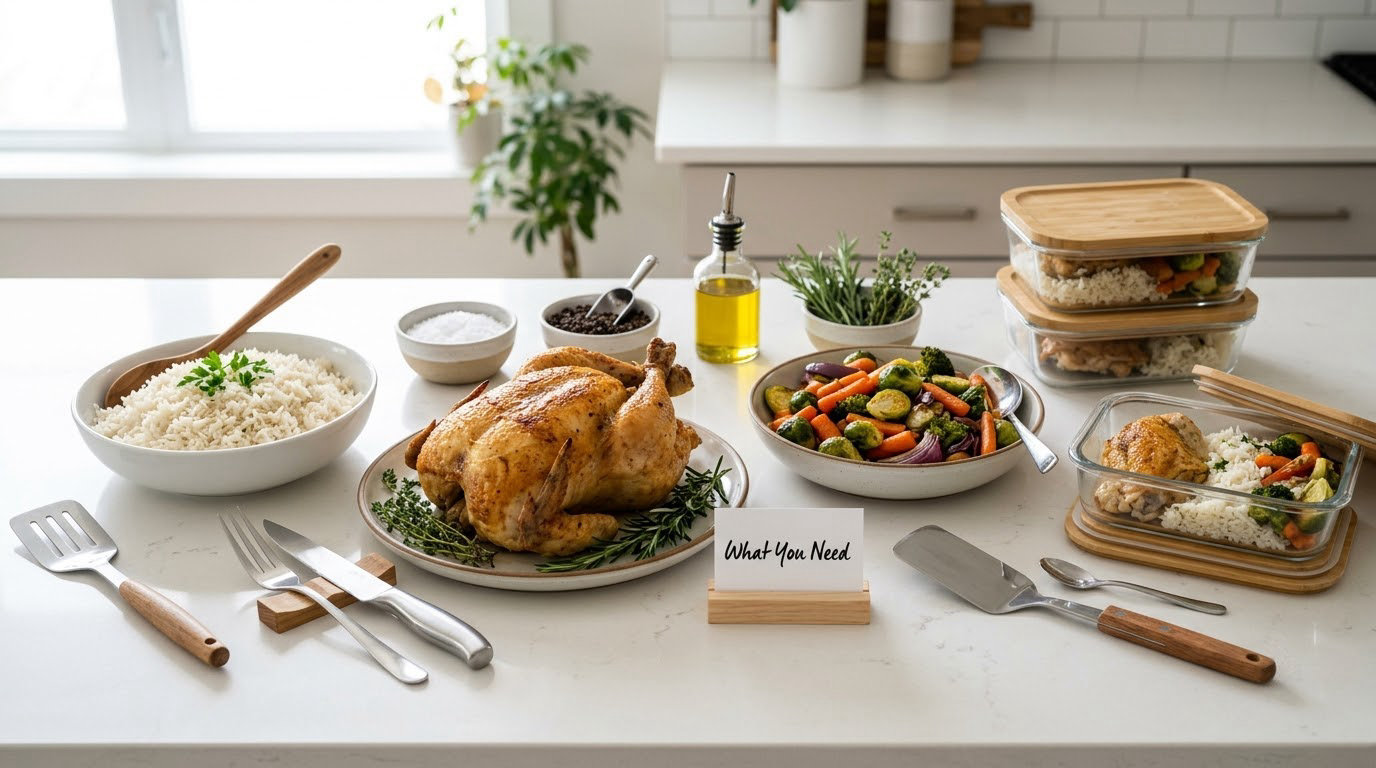
Start with the base ingredient, because it is the part that cannot be swapped after cooking. Rice, potatoes and corn tortillas cover a lot of ground. Gluten-free pasta covers a bit more. Quinoa, couscous and plain roasted vegetables round it out.
Then gather the components that will be served in their own bowls: a protein, a sauce, and two or three vegetables or sides. Keeping them separate until the plate is built is what makes this method work.
Label everything. A strip of masking tape and a marker on each bowl is enough to say “gluten free” or “contains dairy”. It takes two minutes and it stops the fifteen-second ingredient interrogation at the table.
If someone in the house has a serious allergy, add dedicated items: their own cutting board, their own utensils, a spoon that never touches anyone else’s food, and containers with lids so leftovers stay separated in the fridge.
A colander set, an extra sheet pan, and a few small serving bowls do most of the work of running two proteins or two starches at the same time.
Step-by-Step: Build One Dinner Around a Flexible Base
Four moves, in order: pick a neutral base, decide the swap for each dietary need, keep the risky ingredients separate, then cook once and assemble many plates. It works the same for a family of four and for a table of twenty-two.
Choose a neutral base everyone can eat
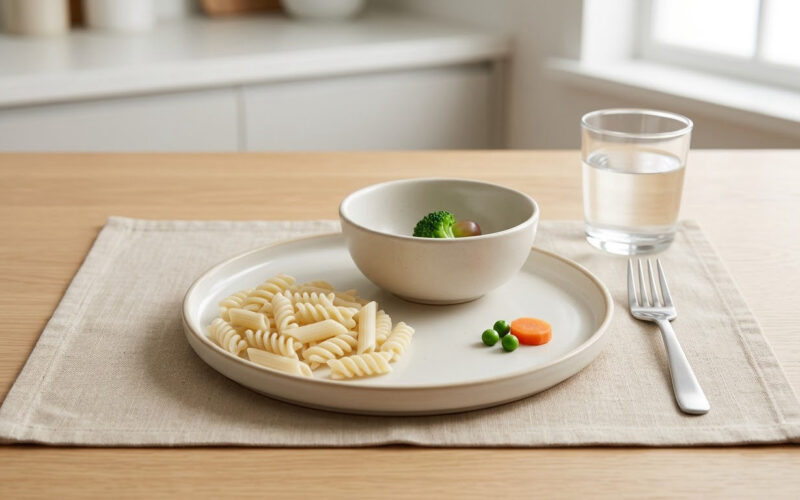
A neutral base is a plain starch or grain with nothing added to it: rice, boiled potatoes, corn tortillas, quinoa, or gluten-free pasta. Nobody has to like it, it just has to be edible for everyone without an argument.
Texture matters more than most people expect. A plain baked potato is a safe pick because it can be split, mashed or left alone. Rice can be served dry or mixed into a bowl. Tortillas work as a base, a wrapper or a side, which makes them the most flexible option of the three.
Skip anything with a strong flavor profile baked in. Couscous with herbs, flavored rice mixes and seasoned pasta all limit what you can pour on top later. Watch out for sneaky gluten too: many plain-looking items like wraps, broths and oats are processed on shared equipment, so a celiac family member needs the certified gluten-free versions.
Map each dietary need to a specific swap
Write the restrictions on a list before you start, then match each one to an ingredient you already have. The swap happens in the bowl, not in the pot.
Gluten-free usually means rice, corn, quinoa, potatoes, certified gluten-free oats or a gluten-free pasta. Dairy-free means olive oil instead of butter, oat milk or soy milk in place of cow’s milk, and no cheese. Nut-free and soy-free together rule out most commercial baked goods and many breads, so pick plain whole foods and season them yourself.
Vegetarian and vegan are the easy ones: a second protein cooked alongside the meat handles both, or beans and lentils become the main protein for everyone. Halal and kosher needs change the protein and sometimes the whole base, since gelatin, pork fat and alcohol-based cooking wine appear in sauces people do not expect.
Low-FODMAP is the one that punishes the “just add more vegetables” instinct. Garlic, onion, wheat and certain beans are common triggers, and a pile of onion in the sauce will undo an otherwise careful meal.
Keep high-risk ingredients separate
Cross-contact is the transfer of an allergen into a food through shared surfaces, utensils, oil, splatter or storage. It is the specific hazard for an allergic person, and it is the reason one pan for everyone is sometimes not enough.
If someone has a severe allergy, the safest setup is a dedicated zone: their cutting board and knife on a separate section of the counter, their own pot if they are making pasta or popcorn, and their food plated before the rest of the family’s. Wash your hands and change gloves between tasks if you are handling both.
Cook the allergy-safe item first, before the shared items go anywhere near it, and cover it or move it to a separate shelf. Airborne flour is a real concern when cooking for a wheat allergy, so skip frying breaded foods in the same pan, or better, at the same time.
Read labels every single time, not just once. The same brand of chocolate chips or stock can change its cross-contact warning between batches, and “may contain” language moves around.
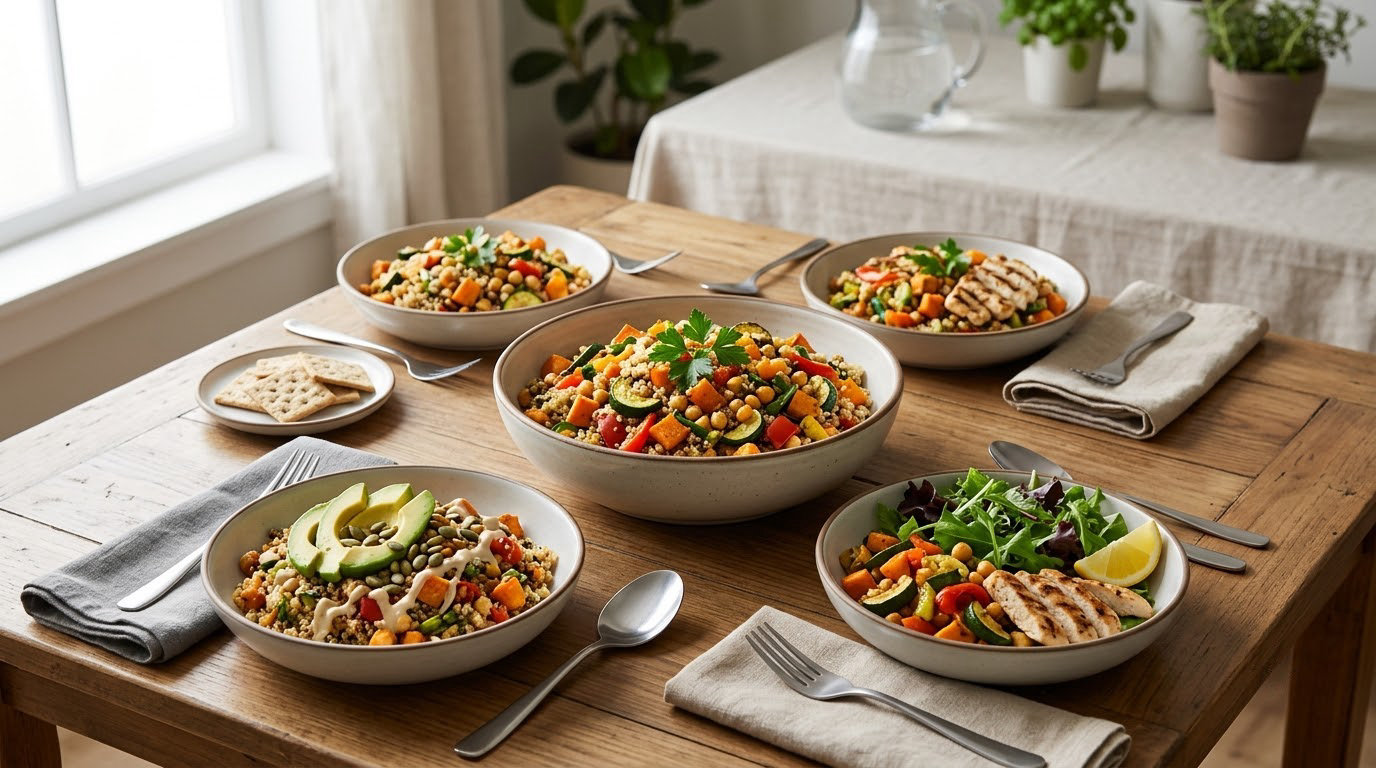
For a gathering rather than a family meal, the buffet model does the same work with less fuss. Put out several simple dishes, each labeled, and let guests assemble their own plate. Not every dish has to suit every restriction; every guest just needs one option that works for them.
Cook components once and assemble different plates
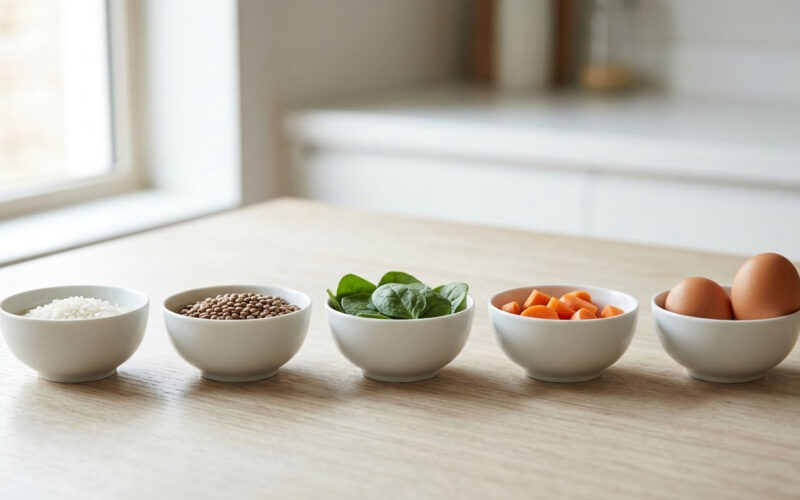
Cook the base in a big pot, the vegetables on one sheet pan, and the proteins on another or in a separate pan. Set everything in the middle of the table in its own bowl and let people serve themselves.
This is the step that solves two problems at once. A child who refuses foods to touch gets an empty plate and full control over what lands on it, and an adult with a shellfish allergy gets to skip a bowl without the rest of the table adapting around them.
Cooking one base instead of three dinners also means less food gets thrown away. You make one quantity of rice rather than three separate pots, and if someone skips the sauce, you did not lose a whole meal.
Season at the table, not in the pan. Put plain olive oil, salt, pepper and any safe spices in small bowls alongside, and let people add what works. It gives a gluten-free eater who is used to bland food somewhere to start, without seasoning a whole batch that a younger eater will refuse.
Check food safety from preparation to leftovers
Cooking components separately does not lower the standard for how well you cook them. Every protein still needs to reach its safe internal temperature, measured in the thickest part with a food thermometer.
According to USDA guidance, poultry reaches 165°F, ground meat reaches 160°F, and whole cuts of beef, pork, lamb and fish reach 145°F with a three-minute rest. Fish flakes and turns opaque when it is done, and ground meat loses its pink color.
Store leftovers in shallow containers so they cool fast, refrigerate them within two hours, and use them inside three to four days. Reheat leftovers to 165°F, and only reheat the portion you are serving so you are not warming the same plate four times.
Keep the allergy-safe portions in their own sealed container on the top shelf or in a separate bin. Nobody reaches over for a spoon at midnight, but covered food still matters.
Common Mistakes and Simple Fixes
Treating a restriction like a preference. If a child’s allergy is medical, the safe version is the only version, and pressure about eating it is not the technique. Ask their doctor or a registered dietitian about the specific allergens, and get an emergency plan if reactions are a concern.
Using vague labels. “Cheesy pasta” tells a gluten-free guest nothing. Write the allergens in plain words on the label or say them out loud when you serve.
Cooking the substitutes in the same pan. A clean-looking pan with shared oil or a wiped surface still counts. Use a separate pan for a severe allergy, and if you must reuse one, wash it fully with hot soapy water first.
Serving one texture to everyone. Sensory-driven refusal is not the same as fussiness, and it is not a tantrum to be outlasted. If a child will not eat mixed or touching foods, serve components in separate spots or separate bowls, which is accommodation rather than indulgence.
Building the whole meal around one person’s needs. That version ends up bland for everyone else and gets rejected across the board. Build for the widest audience, then modify at the bowl.
Forgetting leftovers entirely. If everyone ate a different plate, you have four containers instead of one. Date them and plan the next lunch from whatever needs using first.
Blaming the child when the safe version gets rejected. A safe meal they refuse is still a win medically. Keep offering it without pressure, and let the acceptance come on its own schedule, which is usually weeks or months rather than dinners.
Tips for Making the Dinner Easier Next Time
Batch the components, not the finished meal. A big batch of plain rice, roasted vegetables and a single protein gives you two or three different dinners without re-cooking anything.
Keep a second, blander sauce in a jar in the fridge. Tomato sauce is a common carrier of garlic, onion and dairy, so a plain oil-and-herb version covers the pickier eaters and the low-FODMAP diner at once.
Keep these on the shelves, ready for any weeknight: rice, quinoa, potatoes, corn tortillas, olive oil, canned beans, frozen vegetables and coconut milk. That list is naturally gluten-free, dairy-free and nut-free.
Freeze single portions of the base and the protein, not the assembled plate. A bowl of dry rice and a container of shredded chicken become a different meal next week.
Serve the components in their serving dishes and let people plate themselves, children included. Once they can see the options and pick, the same dinner usually takes ten minutes less to get down.
When a guest or a family member has several restrictions at once, do not try to solve all of them in one dish. Ask ahead if you can, then plan a buffet of four simple things instead of one complicated thing.
Frequently Asked Questions
What is the easiest way to cook one dinner for a child with allergies?
Cook one plain base, one protein and two sides separately, and put the sauces on the table instead of in the pan. Choose a base that suits the most restrictions at once, such as rice, potatoes or corn tortillas, then let your child add what they are comfortable with. Keep their portion in its own container from the start, and check labels on every ingredient including stock, sauces and seasoning blends.
How can I prevent cross-contact when cooking for gluten-free and dairy-free diets?
Wash hands and surfaces with hot soapy water between tasks, use separate cutting boards, utensils and pans, and cook the allergy-safe food before anything shared goes near the stove. Cover it or move it to a separate shelf while you finish the rest of the meal. Read the label every time rather than trusting memory, because manufacturers change shared-equipment warnings between batches.
What foods work well as a base for a meal with several dietary needs?
Rice, potatoes, corn tortillas, quinoa and gluten-free pasta are the workhorses because most are naturally free of gluten, dairy, nuts and soy and they can be eaten plain. Choose rice or potatoes for gluten-free, dairy-free and vegetarian needs at once, and check that any packaged item is certified gluten-free if someone has celiac disease. Avoid flavored rice mixes and seasoned pasta, which limit what you can add later.
How do I handle a child who needs a special diet but does not want separate food?
Make the allergy-safe version part of the shared meal rather than a plate served apart, so it does not signal that something is wrong with the food. Serve it with the same sides and let your child control portion size and placement. If sensory-driven refusal is the issue, keep components in separate bowls so nothing touches, which is an accommodation rather than a reward. Never force or pressure.
Can one dinner meet gluten-free, dairy-free, and vegetarian needs at the same time?
Yes. Rice or corn tortillas as the base, beans or lentils as the protein, roasted vegetables for the sides and an olive-oil-herb sauce cover all three without cooking anything twice. If an omnivore is at the table too, cook a second protein alongside the beans. For a gathering, put out several simple labeled dishes so every guest finds one option that works for them.
How should leftovers be stored when different family members ate different ingredients?
Store each person’s plate in its own shallow, sealed container and label it with the name and the date. Keep allergy-safe portions covered, on the top shelf or in a separate bin, so nobody uses a serving spoon by mistake. Refrigerate within two hours, eat within three to four days, and reheat to 165°F. Freeze single portions of the base and protein if they will not be used in time.
If you only change one thing this week, pick a plain base you know is safe for the most people, cook one protein, and put everything in bowls on the table. That is how to cook one dinner for different dietary needs without cooking three dinners, and it scales from a Tuesday night with two kids to a table of twenty-two.