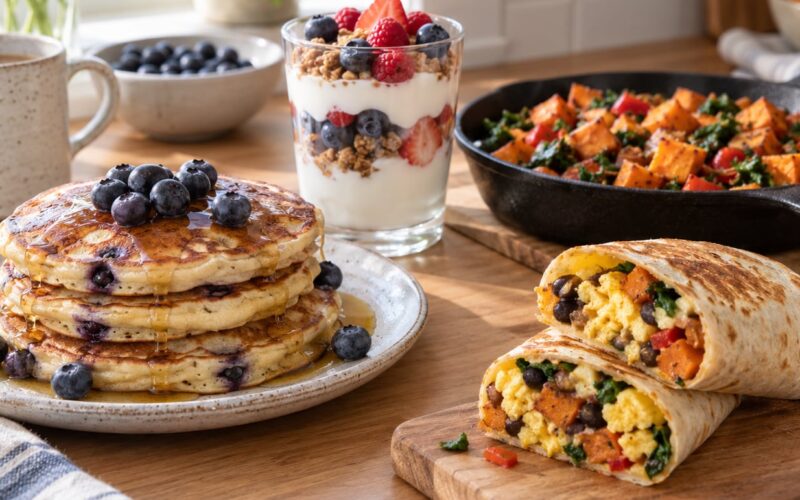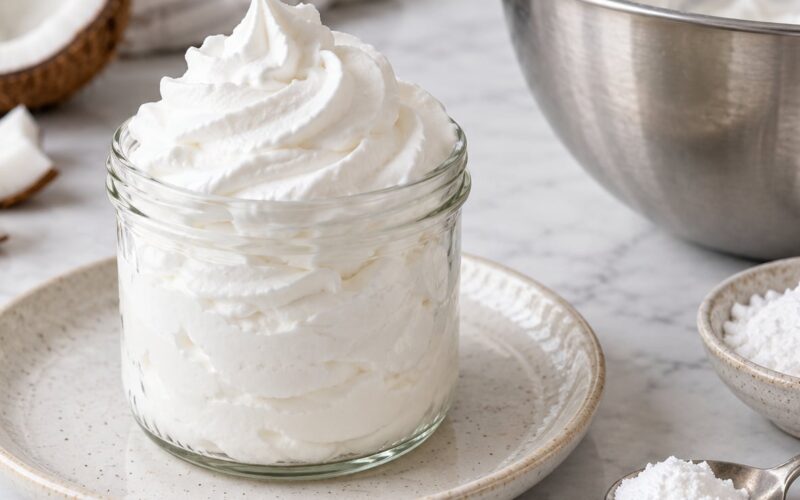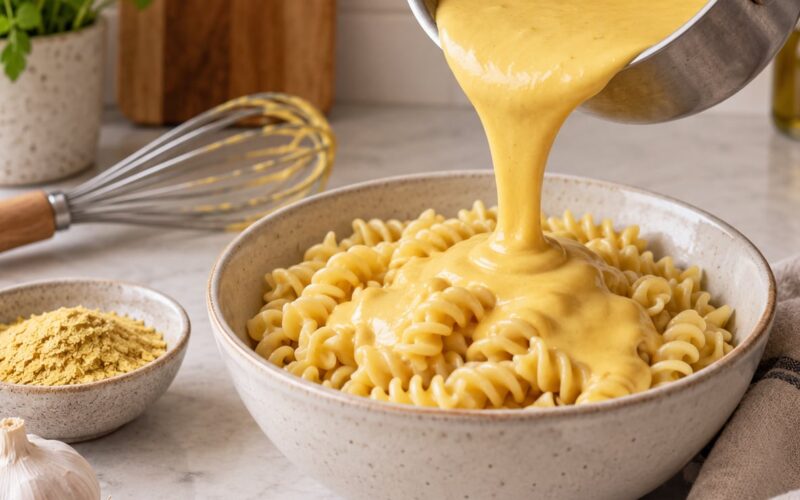
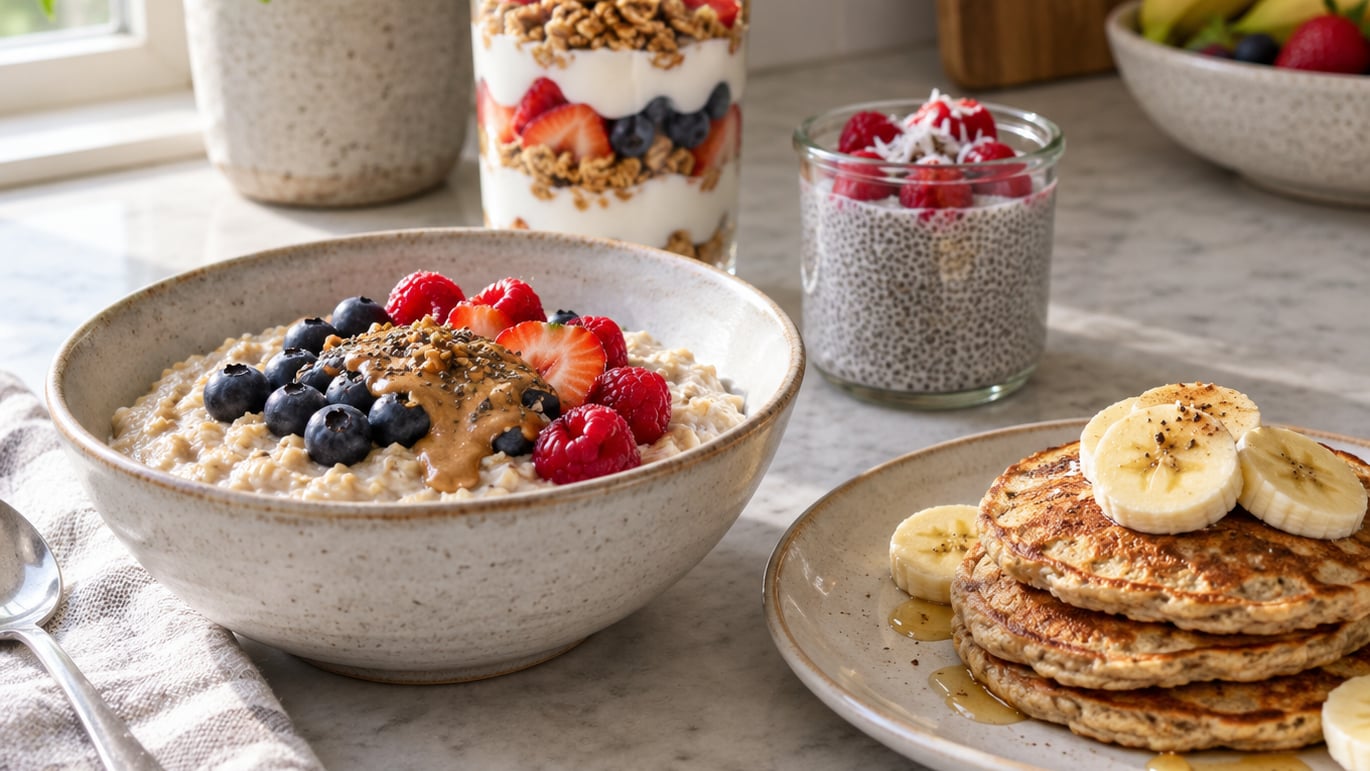
Dairy free breakfast ideas for kids do not have to be sad or repetitive. Eggs, oats, fruit, nut and seed butters, avocado and fortified plant milks cover the whole morning table, from ten-minute toast to make-ahead freezer waffles. Here are ten that survive a real week of school mornings.
Dairy-free means no cow’s milk ingredients: no milk, cream, butter, cheese, yogurt, casein or whey. It does not mean vegan, so eggs and honey stay on the table for most families. If your child also avoids eggs, the swaps in each section flag what to leave out.
Here is the short version before the details.
- Oatmeal cooked in fortified oat or soy milk, topped with banana and seed butter
- Blender pancakes made with banana, egg, oats and dairy-free milk
- Layered parfait with plain dairy-free yogurt, granola and berries
- Dairy-free yogurt frozen into breakfast cups for blending on the go
- Breakfast burrito with eggs, cooked potatoes and dairy-free cheese
- Open-faced bagel with dairy-free cream cheese and sliced fruit
- Mini muffins with applesauce, oats and cinnamon, batch baked and frozen
- Sweet toast in three versions, including a nut-free sunflower spread
- Breakfast pizza on toast, an English muffin or a gluten-free crust
- Overnight chia pudding you assemble in jars on Sunday night
Every idea below notes prep time and how the texture behaves, because the hardest part of feeding a selective eater is rarely the ingredients. It is the texture and the clock.
Table of Contents
- Dairy Free Breakfast Ideas for Kids at a Glance
- 1. Dairy Free Oatmeal with Berries and Nut Butter
- How to make dairy free breakfast ideas for kids work when porridge is refused
- 2. Dairy Free Banana Oat Pancakes
- 3. Dairy Free Yogurt Parfait
- 4. Dairy Free Smoothie with Breakfast Oatmeal Cups
- 5. Dairy Free Breakfast Burrito with Eggs and Potatoes
- 6. Dairy Free Bagel with Cream Cheese and Fruit
- 7. Dairy Free Breakfast Muffins with Apples and Cinnamon
- 8. Sweet Dairy Free Breakfast Toast
- 9. Dairy Free Breakfast Pizza
- 10. Overnight Dairy Free Chia Pudding
- Frequently Asked Questions
- What can I serve my child for a dairy-free breakfast?
- How do I know if packaged cereal, bread, or granola is dairy-free?
- Can dairy-free milk be used in oatmeal and smoothies?
- What are easy dairy-free breakfast ideas for children with sensory sensitivities?
- How can I prepare dairy-free breakfasts ahead for a busy week?
- Should I ask a doctor about dairy-free eating for my child?
- Conclusion
Dairy Free Breakfast Ideas for Kids at a Glance
Before the individual ideas, here is how all ten compare on the three things that decide whether a breakfast actually happens: how long it takes, whether it needs heat, and what the texture is like.
| Breakfast | Prep time | Cooking method | Best texture profile |
|---|---|---|---|
| Oatmeal with berries and nut butter | 5 minutes | Stovetop | Smooth and creamy, easy to thin or thicken |
| Banana oat pancakes | 10 minutes | Blender and skillet | Soft, slightly spongy, holds together |
| Yogurt parfait | 3 minutes | No cooking | Cold, layered, can be smooth or crunchy |
| Smoothie with oatmeal cups | 5 minutes | Blender and refrigerator | Thin and drinkable, or spoonable if thick |
| Egg and potato breakfast burrito | 20 minutes | Stovetop and skillet | Firm, rollable, cut into strips for small hands |
| Bagel with cream cheese and fruit | 4 minutes | No cooking | Soft with a slight chew, easy to deconstruct |
| Apple cinnamon breakfast muffins | 30 minutes | Oven, batch of 12 | Moist, crumbly, holds well frozen |
| Sweet breakfast toast | 5 minutes | Toaster or skillet | Crisp or soft depending on the bread |
| Breakfast pizza | 12 minutes | Oven or skillet | Crisp edges, soft middle, cut into fingers |
| Overnight chia pudding | 5 minutes plus chill | No cooking | Set and spoonable, or blended smooth |
The right column matters most for two-year-olds and babies who are still managing textures. If your child is under one, go to the dairy-free lunchbox ideas for school guide for finger-food formats you can reuse at breakfast.
1. Dairy Free Oatmeal with Berries and Nut Butter
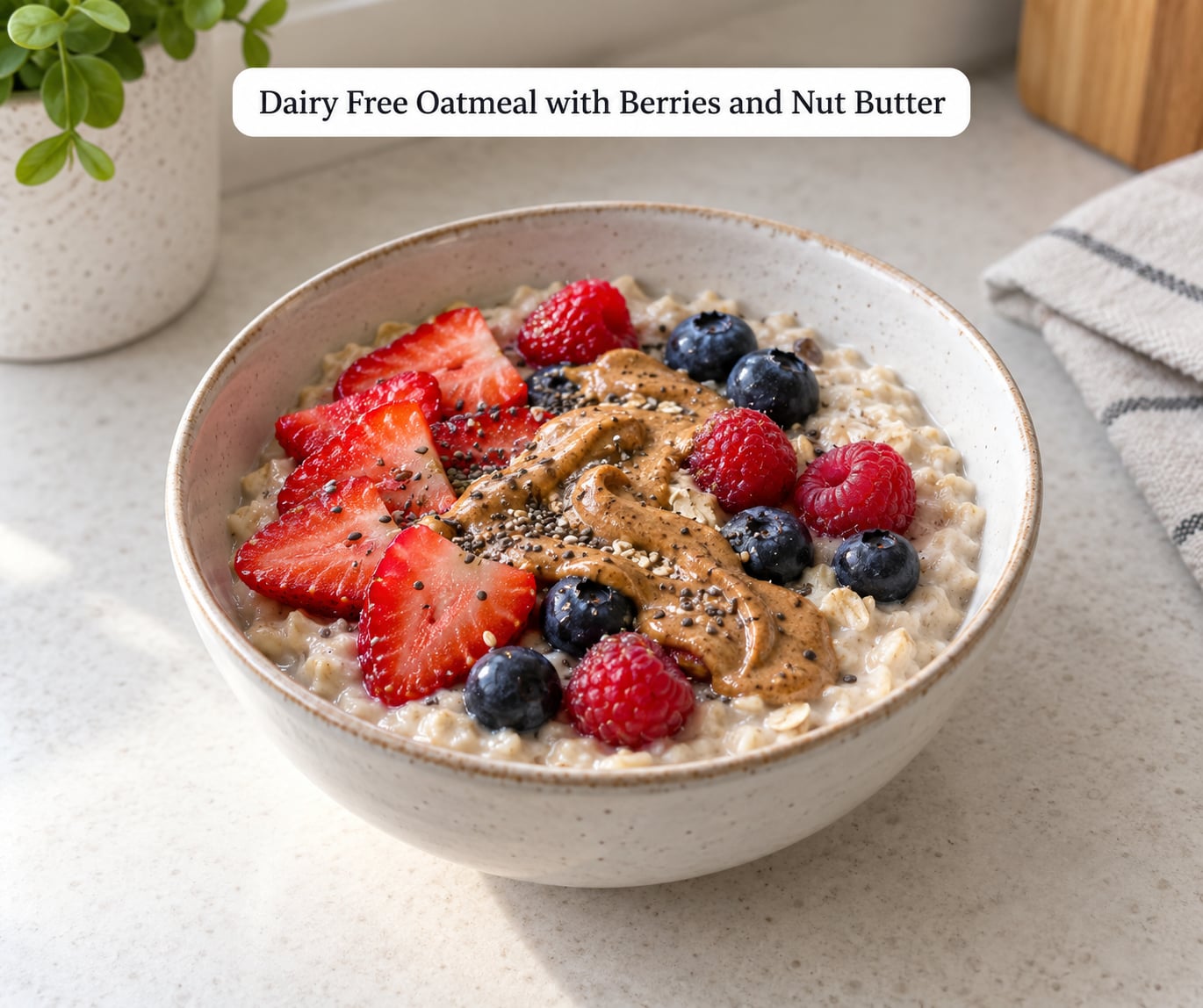
Oatmeal is the most forgiving dairy-free breakfast there is, and it cooks in five minutes. Use a certified dairy-free oat milk or soy milk that is fortified with calcium and vitamin D, since that is where most of the nutrition lives.
Cook the oats in the plant milk rather than water, then add one mashed banana at the end for sweetness without added syrup. A spoonful of sunflower seed butter or almond butter on top adds the fat and protein that plain cereal leaves out.
How to make dairy free breakfast ideas for kids work when porridge is refused
Loathe porridge is common and it usually comes down to texture, not oats. Thin the cooked oats with extra plant milk until they are closer to a thick drink, or blend them completely smooth and serve in a sippy cup. You can also cook the oats, spread them thin on a plate, let them cool, and cut them into strips your child can pick up.
A third option removes the oats from the equation entirely: mash a banana with a spoon of nut or seed butter and serve it as a spread on toast. Different vehicle, same fuel.
2. Dairy Free Banana Oat Pancakes
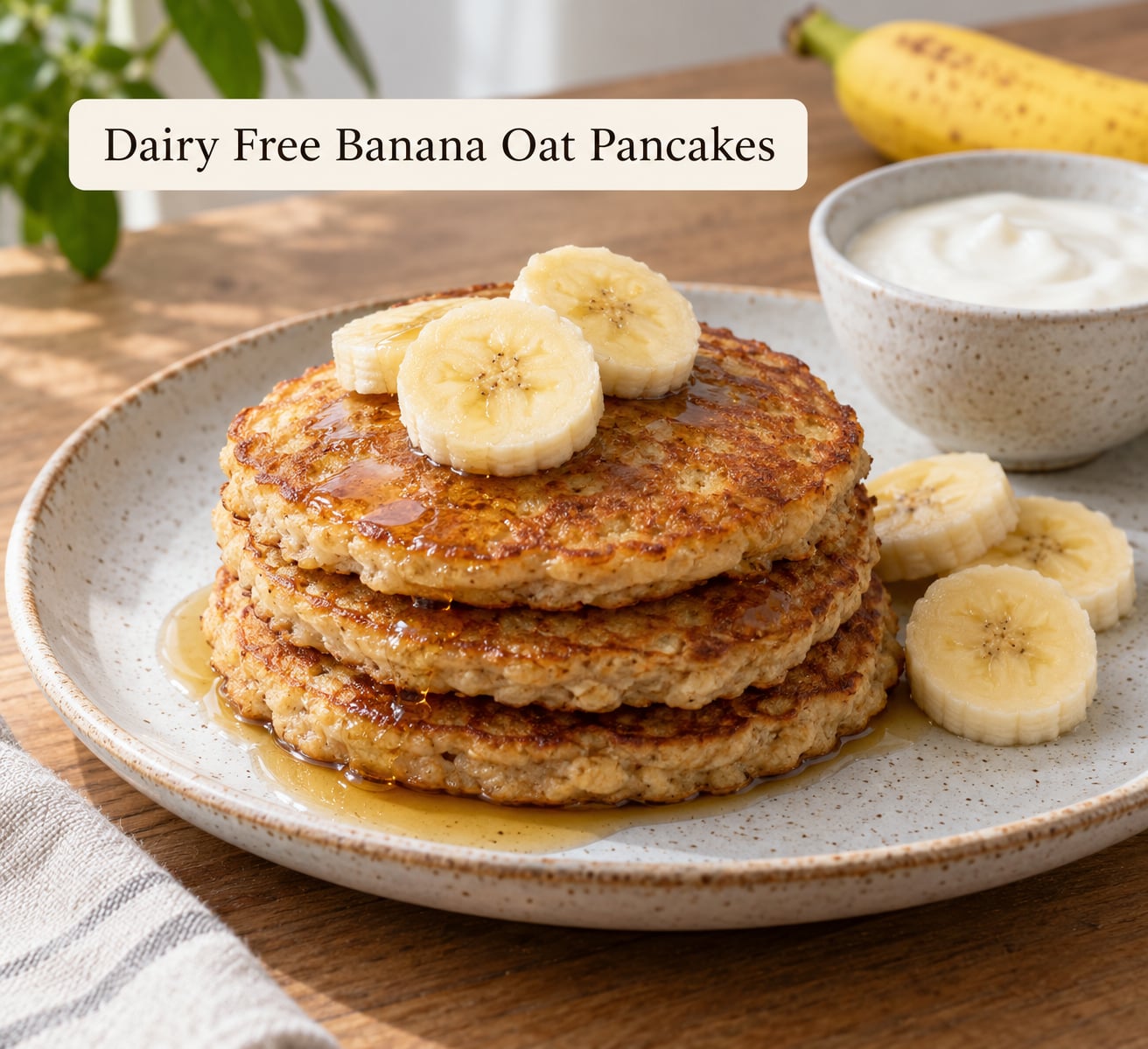
These pancakes need no flour at all, which makes them gluten-free and fast. Put a banana, one egg, a quarter cup of fortified oat or soy milk, a handful of rolled oats and a pinch of cinnamon in a blender. Blitz until smooth, rest the batter for two minutes while the pan heats, then cook small rounds in a lightly oiled skillet over medium heat.
The batter loosens while it rests, so the first pancake is usually the one that spreads too thin. Pour a little less than you think. Flip when the edges look dry and the surface has set, and remember that a second side is short.
For a flour version, add half a cup of oat flour or a dairy-free all-purpose blend. For a no-egg version, a mashed banana and a spoon of ground flaxseed mixed with water hold these together reasonably well, though the pancakes will be more fragile and need a wider spatula.
Cooked pancakes freeze flat on a baking sheet, then move to a bag. They reheat in about 20 seconds in the microwave, which is the batch strategy most dairy-free families in parent forums lean on.
3. Dairy Free Yogurt Parfait
A parfait takes three minutes and no heat, which makes it the reliable backup on mornings when the stove is one crisis too many. Choose a plain, unsweetened dairy-free yogurt, layer it with dairy-free granola and chopped fruit in a clear cup, and add a spoonful of seeds at the end so they stay crunchy.
Read the yogurt label before the first purchase. Plant yogurts often contain milk protein concentrate, casein or whey for texture even when the carton says dairy-free, and some are sweetened with 10 grams of sugar or more. Plain varieties are easier to sweeten yourself with berries than a heavily sweetened one.
For a child who gags on chunks, blend the fruit first or stir it straight through. For a child who wants crunch, keep the granola on top rather than mixed in so each spoonful has both textures.
4. Dairy Free Smoothie with Breakfast Oatmeal Cups
The trick with a breakfast smoothie is blending dairy-free yogurt and oats into cubes the night before. Blend half a cup of plain dairy-free yogurt, half a cup of fruit and two tablespoons of rolled oats, pour into an ice cube tray, and freeze. In the morning, drop three or four cubes into the blender with fresh fruit and enough plant milk to reach the rim.
The result is a thick, spoonable smoothie that keeps a child full past the school morning rush. Blend longer than feels necessary. Thirty extra seconds is the difference between a drink and a bowl.
For babies and toddlers, skip the cubes and blend a thinner version with a spoon, since thick smoothies are also choking hazards in that age group. If the oats make it grainy, blend again after adding a little more liquid.
5. Dairy Free Breakfast Burrito with Eggs and Potatoes
This is the make-ahead option that survives a five-day school week. Scramble eggs until firm, cooked to 160 degrees Fahrenheit, then combine them with cooked diced potatoes, a spoon of plain dairy-free yogurt or sour cream substitute for creaminess, and diced dairy-free cheese if you use it.
Fill a dairy-free tortilla, fold it, and either pan-fry briefly or microwave for a minute. Cut into halves or strips so a toddler can hold it, and cool before serving to young children. Pack two in the freezer for the end of the week.
For a vegetarian version, swap the cheese for black beans and corn, and add a handful of chopped spinach. Check that your tortilla is dairy-free on the ingredient list: many are made with a milk-derived dough or a dairy-based shortening.
Reheat from the fridge in the microwave for 60 to 90 seconds, or from the freezer for two to three minutes. Store finished burritos in the refrigerator for up to four days, and keep raw egg burritos frozen rather than refrigerated.
School mornings are where this idea earns its keep. The same make-ahead approach carries into snack planning too, in our allergen-free snack ideas for road trips list, where the same no-dairy labels matter.
6. Dairy Free Bagel with Cream Cheese and Fruit
Halve a bagel, toast the cut side, and spread dairy-free cream cheese from a tub rather than the whipped variety. Top with thin banana slices, strawberry halves, or apple pieces dusted with cinnamon. The open-faced version is faster than a sandwich and easier for small hands to manage.
If your child is gluten-free as well, use a gluten-free bagel or thick slices of dairy-free bread. If bread textures are a problem, a soft tortilla rolled with the same filling works just as well at the table.
Bagels also freeze well. Slice and interleave with parchment so they do not stick, then thaw individual pieces in the toaster.
7. Dairy Free Breakfast Muffins with Apples and Cinnamon
One egg, half a cup of unsweetened applesauce, a cup of rolled oats, a quarter cup of oat flour, a teaspoon of cinnamon and a splash of dairy-free milk makes a batch of twelve moist muffins. Bake at 350 degrees Fahrenheit for about 18 to 20 minutes, until a skewer comes out clean.
Grate the apple instead of using sauce when your child rejects anything with visible fruit lumps. Add a quarter cup of chopped nuts or seeds for fat and protein, skipping them entirely for a nut-free school version.
Mini muffin tins solve the portion problem for toddlers and reduce food waste with older kids who suddenly dislike breakfast. Mini muffins bake in roughly 10 to 12 minutes.
Always check every add-in, including chocolate chips, oats and granola, because each carries its own label. Storing the extras in single portions at the freezer keeps them fresh for a month of school mornings.
8. Sweet Dairy Free Breakfast Toast
Three combinations cover most weeks. Cinnamon apple uses thin apple slices cooked in a splash of water with cinnamon until soft, spooned onto toast with a little nut butter underneath. Banana seed butter is mashed banana with sunflower or tahini seed butter mixed through. Strawberry spread is dairy-free strawberry preserves swirled into sunflower seed butter for a jam-and-butter look without the dairy.
Bread choice matters more than most people expect. Dense sandwich bread toasts without going hard in a toaster, while a slice of sourdough needs a damp pan. If gluten is also out, a dairy-free gluten-free loaf works fine in a skillet.
For school or daycare, send the components separately when cross-contact matters: one sealed container for bread, one for the spread, one for fruit. Choosing what goes in each container also lets a child pull out what they actually want.
9. Dairy Free Breakfast Pizza
Breakfast pizza takes about twelve minutes and works on three bases. Put tomato sauce, shredded dairy-free cheese and sliced bell pepper or spinach on a slice of toast, a split English muffin, or a small gluten-free crust. Add a cooked egg if you want more staying power.
Toast works best in a toaster oven, which crisps the base without drying it out. An English muffin gives you a built-in handle, which is why it is the version most likely to get eaten by a toddler who refuses flat food.
Dairy-free shreds melt unevenly because of the plant fats used, so give it an extra minute or two under the broiler than you would for a cheese pizza. If your child reacts to soy, check that the shreds are pea or coconut based instead.
10. Overnight Dairy Free Chia Pudding
Mix three tablespoons of chia seeds with one cup of fortified dairy-free milk and a spoonful of maple syrup or a mashed half banana. Refrigerate overnight, then loosen with a splash of milk in the morning if it set too firm. Fruit stirred in at the end keeps it from weeping liquid into the oats.
Portion into small jars rather than one large bowl for a week of breakfasts. For children who dislike seeds, blend the finished pudding completely smooth, which removes the texture complaint without changing the ingredients. The pantry setup for this, plus oat flours, seeds and shelf-stable milks, is covered in how to set up an allergen-free pantry.
Frequently Asked Questions
What can I serve my child for a dairy-free breakfast?
Eggs, oatmeal cooked in fortified plant milk, pancakes, dairy-free yogurt with fruit, nut or seed butter toast, avocado, hummus, and fruit are all reliable choices. Savory options like egg burritos and breakfast pizza work just as well as sweet ones. Keep fortified plant milk, dairy-free yogurt and seeds stocked so you can add protein and calcium without extra cooking. Check with your pediatrician or dietitian for guidance specific to your child’s needs.
How do I know if packaged cereal, bread, or granola is dairy-free?
Read the ingredient list for milk, milk solids, casein, caseinate, whey, whey protein, lactose, ghee, butter, cheese, cream, or condensed milk. A vegan label does not mean dairy-free. A may contain milk statement means shared equipment or lines, which matters with a diagnosed milk allergy but usually not with lactose intolerance. Ask your child’s allergist how strict you need to be. Keep with your child’s own medical plan.
Can dairy-free milk be used in oatmeal and smoothies?
Yes. Oatmeal cooked in fortified oat, soy, or almond milk is one of the easiest swaps, and plant milk thickens the oats while adding calcium and vitamin D. In smoothies it adds body and smooths out the fruit. Soy and oat tend to be less sweet than almond, and cooking in plant milk instead of water makes the oatmeal noticeably richer. Fortified varieties carry more calcium, so pick those.
What are easy dairy-free breakfast ideas for children with sensory sensitivities?
Deconstruct rather than combine. Serve toast and nut butter in separate dishes instead of as a sandwich, offer the yogurt first and the granola on the side, or let your child build the parfait layer by layer. Skip visible seeds and chunky fruit, use a consistent brand of bread and milk that your child already accepts, and keep temperature predictable. Introducing new items alongside a familiar one tends to work better than replacing what they know.
How can I prepare dairy-free breakfasts ahead for a busy week?
Batch on Sunday: bake a tin of muffins, cook a double pan of pancakes or waffles and freeze them flat, portion overnight oats or chia jars, and freeze smoothie cubes. Refrigerated items keep about four days, frozen baked goods keep roughly a month. Burritos assembled with cooked eggs can be frozen as well. Reheat pancakes and muffins in the microwave for about 20 seconds before serving.
Should I ask a doctor about dairy-free eating for my child?
Yes, especially if your child was diagnosed with a cow’s milk protein allergy rather than lactose intolerance, or if dairy was removed for another medical reason. Calcium, vitamin D, protein and fat intake all shift when dairy goes, and a pediatrician or registered dietitian can confirm whether your child’s diet is covered. Do not switch an infant under twelve months off breast milk or formula without medical guidance.
Conclusion
Start with the pantry breakfast that needs no decisions: oatmeal with banana and seed butter, or pancakes mixed in a blender. Both take under ten minutes and both adapt to a smoother or crunchier texture with a small change.
Then build a rotation around your child’s actual constraints. A milk allergy means label reading on every add-in, including oats and granola. Sensory needs mean offering components separately rather than combined. A busy week means batching muffins and freezing pancakes flat.
If something feels off with your child’s growth, fat intake or calcium after removing dairy, that is a conversation for your pediatrician or a registered dietitian, not a guessing game at the breakfast table. As of 2026, the ten ideas above are current, but your child’s own medical plan always comes first.